7 Best Bohol Caves for Spelunking Adventures – Explore Underground Wonders & Historic Hideouts
Descending into the cool, crystal-studded chambers of Bohol’s limestone caves feels like entering another world entirely. As your headlamp illuminates golden-hued walls sparkling with mineral deposits, you’re not just exploring geological wonders—you’re walking through centuries of Philippine history, from ancient formations to heroic hideouts of freedom fighters.
Bohol’s designation as the Philippines’ first UNESCO Global Geopark in 2023 recognizes what spelunkers have known for decades: this island harbors some of Southeast Asia’s most spectacular cave systems. From the accessible underground pools of Panglao to remote mountain hideouts that sheltered revolutionaries for 85 years, these seven caves offer adventures ranging from family-friendly swims to challenging technical spelunking.
Book Your Bohol Cave Adventure Today
Ready to explore Bohol’s underground wonders? These top-rated cave tours offer the perfect introduction to spelunking with certified guides and all necessary equipment included.
✅ Expert local guides and safety equipment included
🚐 Hotel pickup and drop-off service
📸 Perfect for all experience levels
🏊♀️ Swimming and photography opportunities
⏰ Tours sell out during peak season – book early!
[Book on Klook] [Check Viator] [Browse GetYourGuide]
Why Bohol is the Philippines’ Premier Caving Destination
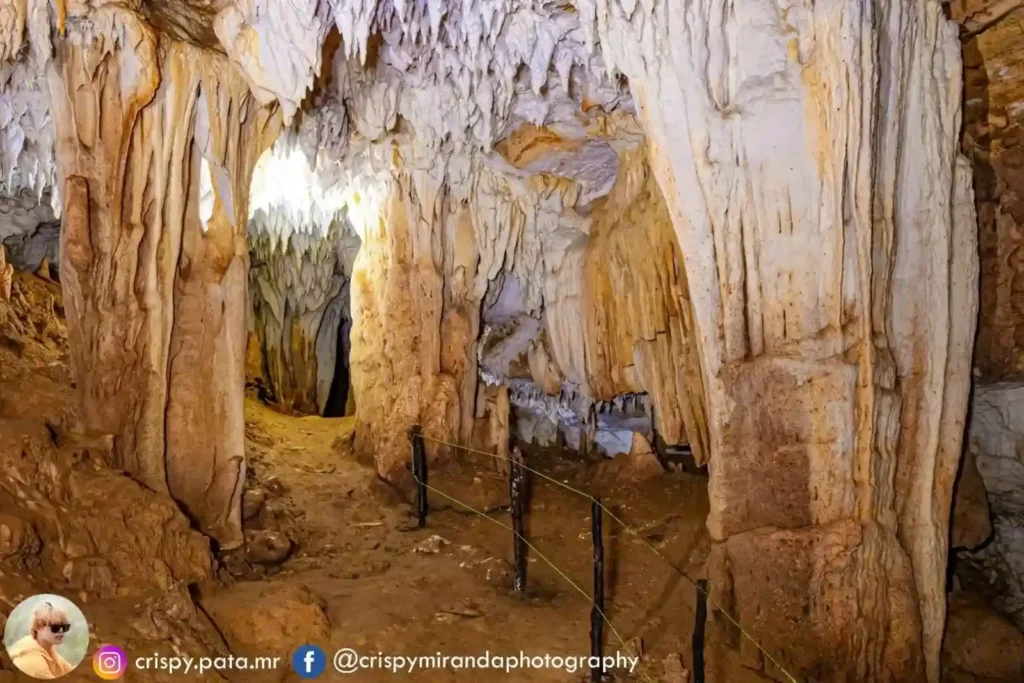
Bohol’s unique limestone plateau, formed over millions of years through coral reef uplift and karst weathering processes, created an extensive network of caves, sinkholes, and underground rivers. The island’s 4,821 km² landscape contains over 200 documented caves, with new discoveries happening regularly as local communities and researchers explore previously unknown chambers.
The caves range from easily accessible tourist-friendly sites to technical spelunking challenges requiring ropes and specialized equipment. Many combine natural beauty with cultural significance, offering visitors both geological education and historical insights into pre-colonial life and Spanish-era resistance movements.
“Exploring Bohol’s caves was like traveling through time—from ancient limestone formations to Spanish colonial hideouts. Each cave told a different story.” – Adventure Traveler ⭐⭐⭐⭐⭐
1. 🏛️ Francisco Dagohoy Cave – Revolutionary Hideout in the Mountains
📍 Location: Danao municipality, Barangay Magtanghoy (92km from Tagbilaran City)
⭐ Difficulty: Moderate to challenging
🕰️ Historical Significance: Hideout of Francisco Dagohoy’s 85-year rebellion (1744-1829)
💰 Est. Tour Price: ₱4,500-6,500 per person (includes transport, guide, equipment)
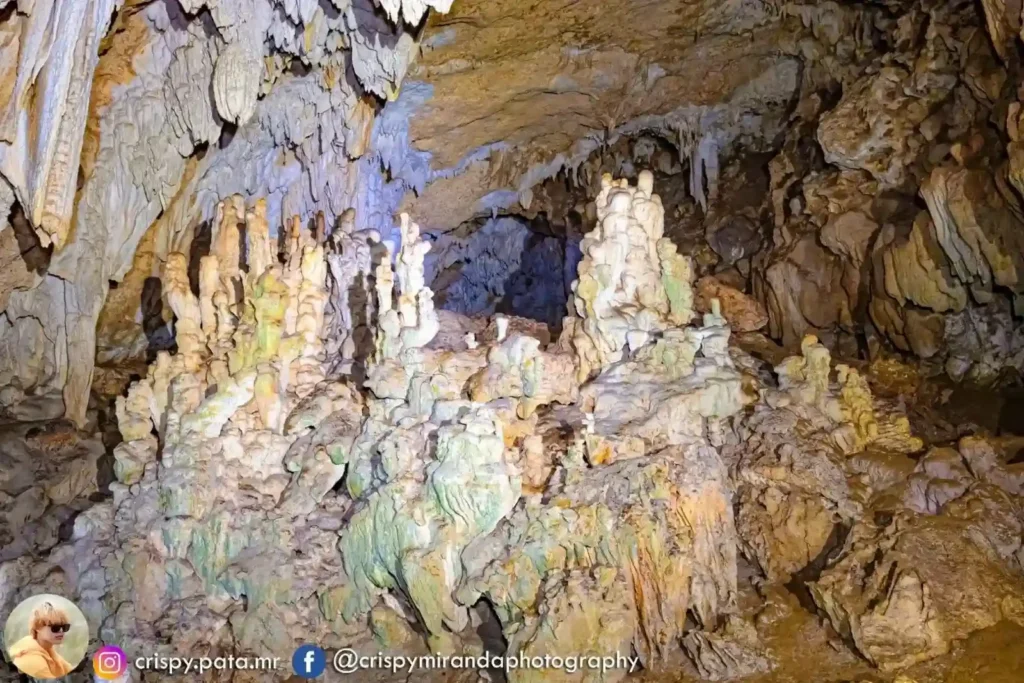
The Francisco Dagohoy Cave stands as Bohol’s most historically significant spelunking destination, set amidst majestic mountain ranges in the inland municipality of Danao. This remote cave requires a 5-kilometer trek from Barangay Magtanghoy and approximately a two-hour drive from Tagbilaran City, making it an adventure for serious explorers seeking both natural beauty and Philippine history.
The cave entrance dramatically drops 17 meters into a labyrinth of crystal-studded passages with a stream winding through interconnected chambers. An underwater passage leads to dry ground, while the stream eventually flows toward the Wahig River, located 100 meters away. Inside, the cave reveals spectacular geological formations—stalactites and stalagmites create a cathedral-like atmosphere, while crystal-covered walls sparkle golden when illuminated by lanterns or flashlights.
Named after Francisco Dagohoy, the Boholano patriot who led the Philippines’ longest rebellion against Spanish rule, this cave served as the primary hideout for revolutionary forces from 1744 to 1829. The nearby Magtangtang plateau, overlooking mountain ranges of Inabanga and Talibon, housed Dagohoy’s headquarters and now features a Philippine Historical Commission monument commemorating the site where hundreds fought and died for freedom. Remarkably, skeletal remains of Dagohoy’s men who chose death over surrender still remain within the cave chambers.
What Makes It Special:
- 85-year rebellion headquarters and hideout
- Dramatic 17-meter cave entrance drop
- Crystal-studded walls and golden limestone formations
- Underground stream system connecting to Wahig River
- Historical marker and monument on overlooking plateau
- Pristine mountain wilderness setting
“Standing where Filipino heroes once hid, surrounded by sparkling cave walls, gave me chills. This isn’t just caving—it’s experiencing living history.” – Heritage Tour Guest ⭐⭐⭐⭐⭐
🎯 Book Dagohoy Cave Historical Adventure: This challenging cave requires proper preparation and certified guides familiar with its historical significance and technical requirements.
[Book on Klook] [Check Viator] [Browse GetYourGuide]
2. 🏊♀️ Hinagdanan Cave – Panglao’s Instagram-Famous Underground Pool
📍 Location: Dauis, Panglao Island (15 minutes from Alona Beach)
⭐ Difficulty: Easy – family friendly
💧 Swimming: Yes – natural underground lagoon
🎫 Entry Fees: Locals ₱30, Foreigners ₱50, Parking ₱20, Guide ₱200-300
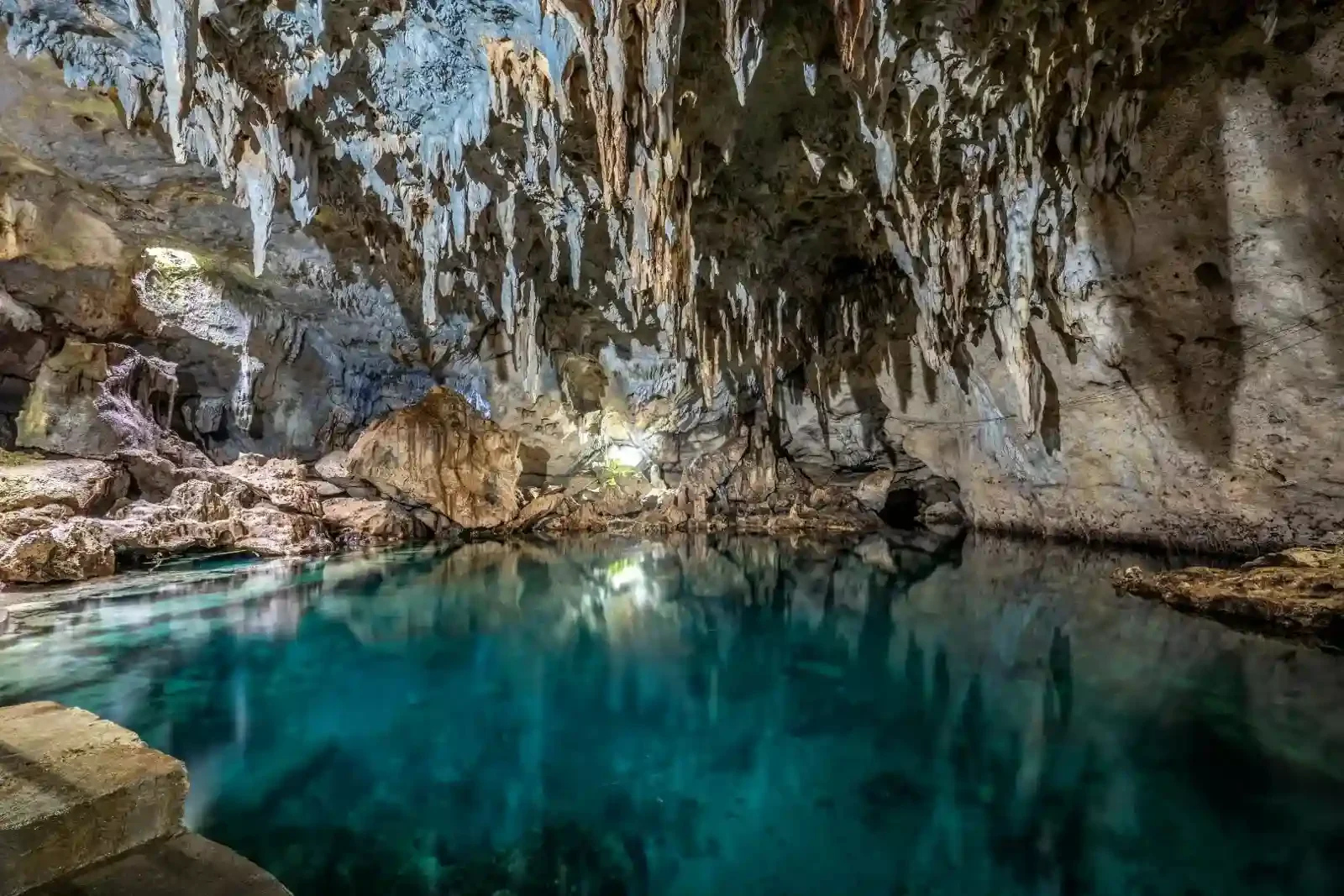
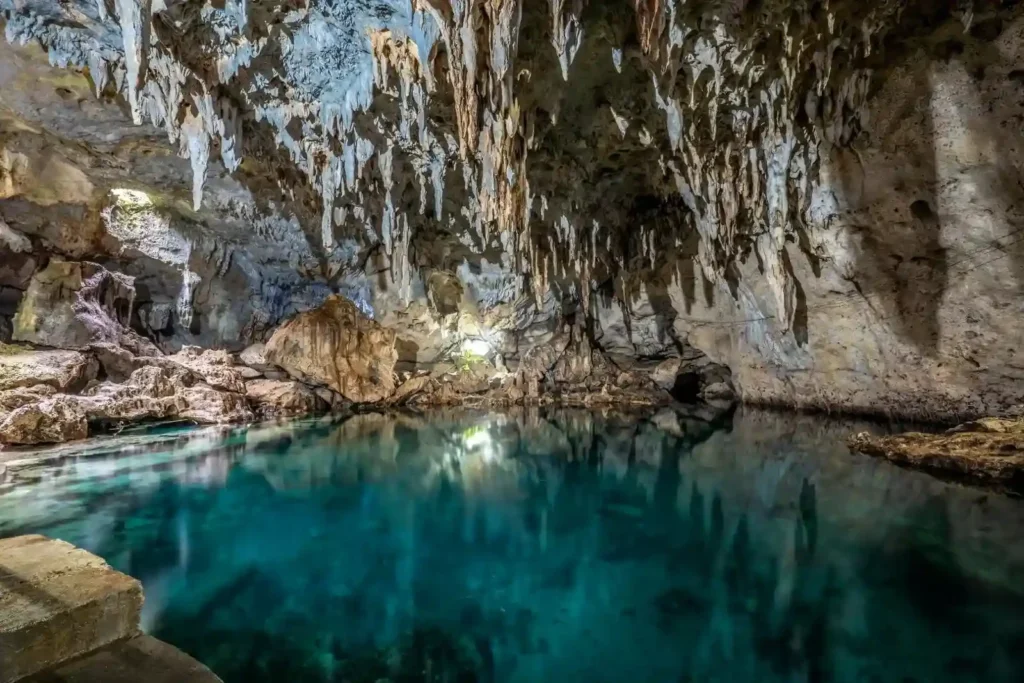
Hinagdanan Cave remains Bohol’s most photographed cave destination, famous for its ethereal underground pool illuminated by a natural skylight opening. Located just 15 minutes from Alona Beach, this accessible limestone cave offers visitors the magical experience of swimming in crystal-clear waters surrounded by dramatic rock formations and streaming sunlight.
The cave formed when a limestone ceiling collapsed, creating the iconic skylight that bathes the underground lagoon in natural light throughout the day. The pool contains both freshwater and saltwater, evidence of tidal influence from the nearby Bohol Sea. Concrete steps lead safely into the cave, making it suitable for all ages and swimming abilities.
Geological Significance: Hinagdanan showcases classic karst cave formation through limestone dissolution, with its collapsed ceiling creating the perfect combination of natural lighting and accessible swimming. The tidal influence creates unique brackish water conditions supporting diverse microorganisms.
What’s Included in Tours: ✅ Hinagdanan Cave entrance and swimming access
✅ Natural skylight photography opportunities
✅ Easy concrete stairway access
✅ Changing facilities nearby
✅ Professional guide with geological insights
“Swimming under the cave’s natural skylight was absolutely magical. The photos don’t do justice to the golden light streaming down!” – Klook Traveler ⭐⭐⭐⭐⭐
🎯 Get Hinagdanan Cave Tickets + Transport: Most Bohol countryside tours include Hinagdanan Cave as a refreshing swimming stop between Chocolate Hills and Baclayon Church visits. Book your spot now to avoid disappointment!
[Book on Klook] [Check Viator] [Browse GetYourGuide]
3. 🌊 Anda Cave Pool Circuit – Eastern Bohol’s Cenote-Like Wonders
📍 Location: Anda municipality (2.5 hours from Tagbilaran)
⭐ Difficulty: Easy to moderate
🏊♀️ Activities: Swimming, cliff jumping, snorkeling
💰 Tour Price: ₱3,500-5,500 per person (full day with multiple caves)
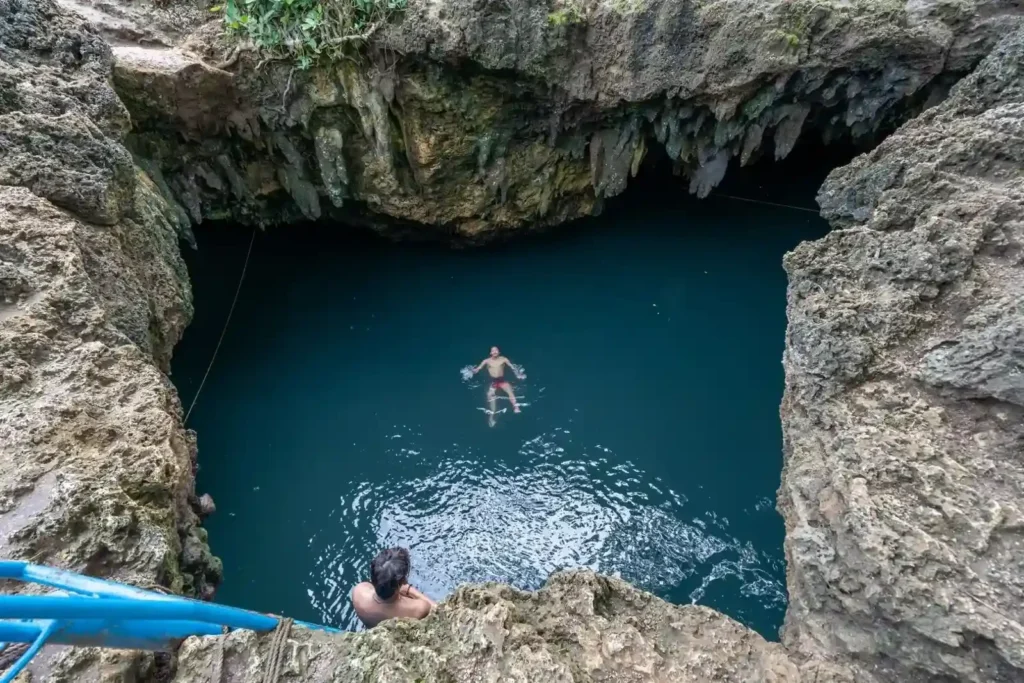
Eastern Bohol’s Anda municipality harbors over 20 pristine cave pools resembling Mexico’s famous cenotes. These karst formations, created by groundwater erosion through porous limestone, offer some of the Philippines’ most spectacular freshwater swimming experiences in cathedral-like cave settings.
Combento Cave Pool – The Instagram Favorite
This shallow, photogenic pool features crystal-clear water with light filtering through natural openings in the limestone ceiling. Perfect for photography and relaxing swims, Combento represents the most accessible introduction to Anda’s cave pool network.
Cabagnow Cave Pool – Adrenaline Rush Central
A collapsed limestone sinkhole filled with deep groundwater, Cabagnow offers Bohol’s premier cliff jumping experience. The 8-meter jump into emerald waters attracts thrill-seekers, while calmer areas accommodate swimmers of all levels.
Kaligoon Cave Pool – Family Paradise
Featuring calm, shallow waters ideal for children, Kaligoon provides a safe introduction to cave pool swimming while maintaining the magical atmosphere of limestone formations and filtered sunlight.
What Makes Anda Special:
- Over 20 documented cave pools
- Less crowded than Panglao destinations
- Pristine natural environment
- Multiple difficulty levels available
- Cenote-like geological formations
“The Anda cave pools were the absolute highlight of our Bohol trip! Each one was more beautiful than the last.” – Viator Guest ⭐⭐⭐⭐⭐
🎯 Book Anda Cave Pool Adventures: Combine multiple cave pools with Anda’s white sand beaches for the ultimate eastern Bohol adventure day.
[Book on Klook] [Check Viator] [Browse GetYourGuide]
4. 🔮 Crystal Cave – Jagna’s Geological Masterpiece
📍 Location: Jagna municipality, southeast Bohol
⭐ Difficulty: Moderate
🪨 Geological Features: Extensive speleothem formations
💰 Tour Price: ₱2,500-3,500 per person (half day with guide)
Crystal Cave showcases Bohol’s most impressive speleothem displays—stalactites, stalagmites, and flowstone formations created through centuries of mineral-rich water deposition. Located in Jagna’s limestone hills, this cave offers serious spelunkers the chance to witness ongoing geological processes in pristine condition.
The cave system features multiple chambers connected by narrow passages, requiring headlamps and sure footing. Crystal formations cover walls and ceilings, creating a natural museum of limestone cave development. Local guides provide geological interpretation while ensuring visitor safety through technically challenging sections.
🎯 Book Crystal Cave Geological Tours: Combine with Jagna’s other attractions including traditional weaving villages and coastal viewpoints.
[Book on Klook] [Check Viator] [Browse GetYourGuide]
5. 🦇 Sohoton Cave – Subterranean Wildlife Haven
📍 Location: Inabanga municipality, northern Bohol
⭐ Difficulty: Easy to moderate
🦇 Wildlife: Large bat colonies and cave swiftlets
💰 Tour Price: ₱2,000-3,000 per person (includes wildlife viewing)
Sohoton Cave provides exceptional wildlife viewing opportunities within an impressive limestone cave system. Home to thousands of bats representing multiple species, this cave demonstrates the crucial ecological role caves play in Bohol’s biodiversity. Evening bat emergence creates spectacular natural displays as millions of bats stream from cave entrances.
The cave features multiple levels accessible via bamboo ladders and natural rock steps. Underground streams create cooling effects while supporting unique cave-adapted fauna including blind cave fish and specialized invertebrates.
🎯 Book Sohoton Cave Wildlife Tours: Best combined with northern Bohol countryside tours including Chocolate Hills northern viewpoints.
[Book on Klook] [Check Viator] [Browse GetYourGuide]
6. 💎 Mag-Aso Falls Cave – Hidden Waterfall Wonder
📍 Location: Antequera municipality
⭐ Difficulty: Moderate hiking required
💧 Features: Underground waterfall and swimming holes
💰 Tour Price: ₱3,000-4,000 per person (includes jungle trek)
Mag-Aso Falls Cave combines spelunking with waterfall exploration, featuring a hidden cascade that plunges into underground pools. The cave requires a moderate jungle hike but rewards visitors with one of Bohol’s most spectacular hidden natural attractions.
Cool mist from the waterfall creates a refreshing microclimate within the cave chambers, while natural pools offer swimming opportunities in pristine freshwater. The combination of flowing water, limestone formations, and jungle approach makes this among Bohol’s most adventurous cave experiences.
🎯 Book Mag-Aso Falls Cave Adventures: Perfect for combining with Antequera’s other waterfalls and countryside attractions.
[Book on Klook] [Check Viator] [Browse GetYourGuide]
7. 🌊 Guindulman Sea Cave – Coastal Limestone Wonder
📍 Location: Guindulman municipality, coastal Bohol
⭐ Difficulty: Easy – accessible by boat
🌊 Unique Feature: Sea-level cave with tidal pools
💰 Tour Price: ₱2,500-3,500 per person (includes boat transport)
Guindulman’s sea cave offers a unique coastal spelunking experience where limestone caves meet the Bohol Sea. Accessible by small boats during calm conditions, this cave system showcases marine-influenced karst formations including tidal pools, sea-carved chambers, and unique marine life adaptations.
The cave provides excellent snorkeling opportunities in crystal-clear tidal pools while offering shelter from sun and waves. Rock formations display evidence of ancient sea level changes and ongoing coastal erosion processes.
🎯 Book Guindulman Coastal Cave Tours: Combine with island hopping and coastal sightseeing for a complete maritime adventure.
[Book on Klook] [Check Viator] [Browse GetYourGuide]
Bohol Cave Tour Packages & Estimated Pricing
Half-Day Cave Tours (4-6 hours)
Hinagdanan Cave + Countryside Combo
- Price: ₱2,500-3,500 per person
- Includes: Transport, certified guide, entrance fees, light refreshments
- Best For: First-time cavers and families
- Highlights: Chocolate Hills, Tarsier Sanctuary, Hinagdanan Cave swimming
Panglao Cave & Beach Tour
- Price: ₱2,800-3,800 per person
- Includes: Cave entry, beach access, snorkel gear, lunch
- Duration: 5-6 hours
- Perfect For: Beach lovers wanting cave adventure
Full-Day Spelunking Adventures (8-10 hours)
Anda Cave Pool Circuit Adventure
- Price: ₱4,500-6,000 per person
- Includes: All cave entries, equipment, lunch, guide, transport
- Features: 3-4 different cave pools, cliff jumping options
- Ideal For: Adventure seekers and photographers
Northern Bohol Cave & Wildlife Tour
- Price: ₱5,000-6,500 per person
- Includes: Multiple caves, bat watching, countryside attractions
- Duration: 9-10 hours
- Best For: Wildlife enthusiasts and serious cavers
Multi-Day Spelunking Packages (2-3 days)
Complete Bohol Cave Explorer Package
- Price: ₱8,000-12,000 per person
- Includes: Accommodation, all meals, equipment, guides
- Features: 5-6 different caves, technical spelunking, cultural sites
- Duration: 2-3 days
- Perfect For: Serious adventure travelers
Historical Cave & Heritage Tour
- Price: ₱9,500-13,500 per person
- Includes: Dagohoy Cave, heritage sites, mountain accommodation
- Features: Historical interpretation, challenging spelunking, cultural immersion
- Best For: History buffs and experienced cavers
💡 Pro Tip: Book multi-day packages for significant savings compared to individual tour bookings. Most operators offer 15-20% discounts for advance bookings!
[Book on Klook] [Check Viator] [Browse GetYourGuide]
Hinagdanan Cave Bohol Tickets & Entry Information
Individual Entry Fees:
- Filipino Visitors: ₱30 per person
- Foreign Tourists: ₱50 per person
- Children (5-12): ₱20 per person
- Parking Fee: ₱20 per vehicle
- Optional Guide: ₱200-300 per group
Operating Hours:
- Daily: 8:00 AM – 5:00 PM
- Best Time: Early morning (8-10 AM) or late afternoon (3-5 PM) for fewer crowds
What’s Included with Entry: ✅ Access to cave and underground pool ✅ Basic safety briefing ✅ Use of concrete stairs and platforms ✅ Swimming privileges (bring your own gear) ✅ Photography permits
Additional Services Available:
- Professional photography: ₱500-800
- Underwater camera rental: ₱300 per day
- Life jacket rental: ₱100 per day
- Locker rental: ₱50 per day
⏰ Booking Tip: While individual tickets don’t require advance booking, guided tours including Hinagdanan often sell out during peak season (December-May). Reserve your spot early to guarantee availability!
[Book on Klook] [Check Viator] [Browse GetYourGuide]
Essential Spelunking Gear & Safety Tips
🎒 What to Bring:
- Waterproof headlamp with extra batteries
- Aqua shoes with good grip
- Quick-dry clothes and swimwear
- Waterproof bag for electronics
- First aid basics
- Reef-safe sunscreen
- Plenty of water and snacks
⚠️ Safety Guidelines:
- Always explore with certified local guides
- Check weather conditions before cave visits
- Inform others of your spelunking plans
- Avoid touching cave formations (oils stop growth)
- Test water depth before jumping
- Respect wildlife and nesting areas
- Follow Leave No Trace principles
🌱 Conservation Notes: As part of the UNESCO Global Geopark, Bohol’s caves require respectful exploration. Avoid disturbing bat colonies, don’t remove formations or artifacts, and support local guides who protect these natural treasures.
[Book on Klook] [Check Viator] [Browse GetYourGuide]
Best Time for Bohol Cave Exploration
Dry Season (November-May): Optimal conditions with lower water levels, easier access trails, and comfortable temperatures. Peak season means more crowds at popular sites like Hinagdanan.
Wet Season (June-October): Higher water levels create more dramatic underground streams and waterfalls, but access roads may be challenging. Fewer crowds mean more intimate cave experiences.
Festival Considerations: Avoid major holidays when domestic tourism peaks. Book guides in advance during Sandugo Festival (July) and Christmas season.
Getting There & Transportation
Most cave explorations require combination transport—flights to Panglao International Airport, then road transfers to cave locations. Remote caves like Dagohoy require 4WD vehicles and local guides familiar with mountain roads.
Ready to explore the beautiful islands of Cebu and Bohol? Secure your ferry tickets today through 12go and start your unforgettable journey! Ferry connections from Cebu provide scenic approaches to Bohol’s cave country while avoiding flight costs.
🚗 Transport Options:
- Private van rentals for multiple cave visits: ₱3,500-5,000 per day
- Motorcycle tours for adventurous travelers: ₱1,500-2,500 per day
- Public buses to major municipalities: ₱50-150 per trip
- Habal-habal (motorcycle taxis) for remote locations: ₱200-500 per trip
[Book on Klook] [Check Viator] [Browse GetYourGuide]
Frequently Asked Questions
How much do Bohol cave tours cost?
Cave tour prices range from ₱2,500 for half-day trips including Hinagdanan Cave to ₱13,500 for multi-day spelunking packages with accommodation. Most popular full-day tours cost ₱4,500-6,000 per person with transport, guide, and equipment included.
Which tour includes multiple caves?
The Anda Cave Pool Circuit visits 3-4 different cave pools in one day, while the Complete Bohol Cave Explorer package covers 5-6 caves over 2-3 days. Northern Bohol tours typically include 2-3 caves plus wildlife viewing.
Do I need to book Hinagdanan Cave tickets in advance?
Individual cave entry doesn’t require advance booking, but guided tours including Hinagdanan often sell out during peak season. Book tours 3-7 days ahead to guarantee availability and hotel pickup service.
Are Bohol caves suitable for beginners?
Yes! Hinagdanan Cave and most Anda cave pools are perfect for beginners and families. Advanced caves like Dagohoy require moderate fitness and technical guidance. All tours provide safety equipment and certified guides.
What’s included in Bohol spelunking packages?
Most packages include transport, certified guides, safety equipment (headlamps, helmets), entrance fees, and basic refreshments. Multi-day packages add accommodation and meals. Check specific inclusions when booking.
Where to Stay Near Bohol’s Best Caves
Panglao Base (Hinagdanan Cave): Choose beachfront resorts along Alona Beach for easy cave access plus diving and island hopping. Prices range from ₱2,500-15,000 per night.
Tagbilaran City (Central Caves): Budget-friendly hotels with easy access to countryside tour departures and ferry terminals. Rates from ₱1,500-4,000 per night.
Anda Area (Eastern Cave Pools): Boutique resorts and guesthouses offer intimate access to uncrowded cave pools and pristine beaches. Expect ₱3,000-8,000 per night.
Mountain Lodges (Remote Caves): Eco-lodges near Danao and Antequera provide authentic rural experiences plus easy access to historical and waterfall caves. Rates ₱2,000-5,000 per night.
[Book on Klook] [Check Viator] [Browse GetYourGuide]
Ready to Explore Bohol’s Underground Wonders?
From the revolutionary hideouts where Filipino heroes made their stand to Instagram-perfect underground pools bathed in natural sunlight, Bohol’s caves offer adventures that combine geological education, historical significance, and pure natural beauty. Whether you’re seeking family-friendly swimming holes or challenging technical spelunking, these seven caves showcase why Bohol earned UNESCO Global Geopark recognition.
✅ Certified guides and complete safety equipment
🚐 Hotel pickup and professional transport service
📸 Perfect for all experience levels and ages
🏊♀️ Swimming, photography, and adventure opportunities
Support our site by booking through our trusted partners. These affiliate links help keep this travel content free while supporting local tourism in Bohol and Cebu.
7 Best Bohol Caves for Spelunking Adventures – Explore Underground Wonders & Historic Hideouts
Discover Bohol’s most spectacular caves including the historic Dagohoy Cave, Instagram-famous Hinagdanan, and Anda’s pristine cave pools. Complete spelunking guide with tours.
Bohol caves, spelunking tours Bohol, Hinagdanan Cave, Anda cave pools, Dagohoy Cave, Bohol underground adventures, karst caves Philippines, Bohol cave tours with guide, Bohol spelunking packages
Cave tour bookings and multi-day spelunking packages
Ferry tickets, accommodation, transport services Conversion Goal: Cave spelunking tour bookings and island transport