
The Complete Guide to Bohol’s 48 Municipalities: Beyond the Tourist Trail
This comprehensive island spans 4,821 km² across 75 islands, with each of its 48 administrative areas offering distinct experiences from bustling urban centers to remote fishing villages that time forgot.
While most tourists stick to Panglao’s white sand beaches and Carmen’s famous Chocolate Hills, Bohol’s 47 municipalities each hold unique stories waiting to be discovered. This comprehensive island spans 4,821 km² across 75 islands, with each of its 48 administrative areas offering distinct experiences from bustling urban centers to remote fishing villages that time forgot.
Beyond the well-trodden tourist trail lies authentic Bohol – heritage towns with centuries-old stone churches, pristine beaches accessible only by motorcycle, mountain municipalities with panoramic views, and island communities where traditional Filipino life continues unchanged. Local government tourism development plans are transforming many of these hidden gems into accessible destinations while preserving their authentic character.
Whether you’re seeking cultural immersion in historic Spanish-era towns, adventure in remote mountain municipalities, or secluded beach experiences away from the crowds, this complete guide reveals every corner of Bohol Island. From the provincial capital of Tagbilaran City to the remote island municipality of Pres. Carlos P. Garcia, discover why exploring Bohol’s municipalities offers the most authentic Philippine island experience.
All Bohol and Cebu Tours & Excursions in 2026
- 👉 GetYourGuide: Go Premium with the #1 rated Chocolate Hills & Tarsier experience—skip the crowds with elite coordinators and upgraded comfort.
- 👉 Viator: The Bohol Specialist—hassle-free day trips from Cebu including round-trip ferries and all-in highlights for a seamless escape.
- 👉 Klook: Best Value & Variety—from P500 countryside tours to the viral Napaling Sardine Run, join over 40,000 travelers booking Bohol’s favorites.
- “Book now, decide later with free cancellation”
Understanding Bohol’s Geography & Municipalities
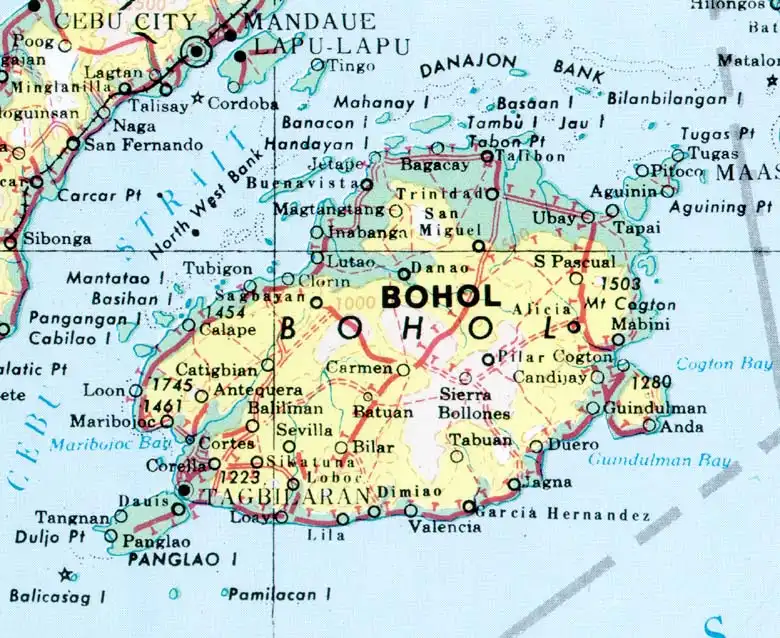
Bohol’s administrative structure consists of one highly urbanized city (Tagbilaran) and 47 municipalities spread across the island’s diverse geography. The total land area of 4,821 km² supports over 1.3 million residents, with population density varying dramatically from urban Tagbilaran to remote coastal and mountain communities.
The island’s geography naturally divides into distinct regions. The northern coast features established ferry ports and emerging beach destinations, while the central highlands contain the famous Chocolate Hills formation and agricultural communities. The southern and eastern coasts offer pristine beaches and traditional fishing villages, many still undiscovered by mainstream tourism.
Local government units across all municipalities have developed ambitious tourism plans supported by provincial programs. The Bohol Provincial Government provides infrastructure funding, community-based tourism training, and sustainable development guidelines to help municipalities develop their unique attractions responsibly.
Understanding this administrative geography helps travelers appreciate how each municipality contributes to Bohol’s diverse tourism landscape. While some areas boast established tourism infrastructure, others offer authentic cultural experiences and natural beauty accessible only to adventurous travelers willing to explore beyond conventional itineraries.
Transportation between municipalities varies significantly, from well-maintained highways connecting major towns to challenging rural roads reaching remote coastal communities. This geographic diversity creates opportunities for travelers seeking different levels of adventure and cultural immersion.
The Big Three: Major Tourism Hubs
Tagbilaran City – Bohol’s Gateway
Tagbilaran City serves as Bohol’s provincial capital and primary entry point, with the newly opened Bohol-Panglao Airport and traditional ferry terminals connecting the island to Cebu and other Philippine destinations. This bustling urban center of over 100,000 residents combines modern amenities with significant historical heritage.
The city’s tourism infrastructure includes business hotels, heritage sites, and cultural attractions often overlooked by visitors rushing to beach destinations. The Blood Compact Site commemorates the first treaty of friendship between Spaniards and Filipinos in 1565, while the Bohol National Museum showcases the island’s rich cultural and natural heritage through extensive collections.
Local government initiatives focus on heritage tourism development and improving the city’s role as a transit hub. Recent port expansions and airport improvements support these goals, while heritage preservation programs maintain the city’s Spanish colonial architectural legacy.
Business travelers and cultural enthusiasts find Tagbilaran ideal for exploring Bohol’s administrative and cultural heart. The city offers convenient access to island-wide tours while providing urban amenities often missing in beach resort areas.
🚐 Need Reliable Tagbilaran Transfers? Professional pickups from airport/seaport to any municipality. Skip the hassle – book private transfers with local drivers who know every route.
Available tours include city heritage walks, photography sessions showcasing colonial architecture, and comprehensive transfers to any municipality island-wide. The city’s central location makes it an excellent base for multi-municipality exploration adventures.
Panglao – Beach Paradise
Panglao municipality encompasses the entire Panglao Island, connected to mainland Bohol by two bridges and home to the province’s most developed beach tourism infrastructure. Alona Beach remains the primary attraction, featuring white sand, clear waters, and abundant marine life perfect for diving and snorkeling.
Tourism infrastructure includes luxury resorts, budget accommodations, international-standard dive shops, and restaurants serving fresh seafood and international cuisine. The Bohol-Panglao Airport, technically located in Panglao, provides direct international access supporting the area’s tourism growth.
Beyond beaches, Panglao offers cultural attractions including Hinagdanan Cave with its stunning underground lagoon and the Bohol Bee Farm showcasing organic farming and sustainable tourism practices. The municipality’s tourism development balances growth with environmental conservation through marine protection programs and sustainable business practices.
Local government plans emphasize sustainable tourism development and marine conservation. Recent initiatives include coral reef protection programs, waste management improvements, and community-based tourism projects that benefit local residents while preserving natural resources.
Beach lovers, honeymooners, and diving enthusiasts find Panglao offers world-class facilities combined with authentic Filipino hospitality. The island’s compact size allows easy exploration of multiple beaches, caves, and cultural sites within day trips.
🏖️ Book Panglao Island Adventures Full-day island tours, cave exploration, and beach hopping. Limited slots during peak season – secure your tropical paradise experience!
Available experiences include comprehensive island tours, cave adventures, diving courses, sunset cruises, and beach activities suitable for all ages and activity levels.
Loboc – River Adventure Central
Loboc municipality gained international fame through its floating restaurant river cruises, but this historic town offers much more than its signature tourist experience. The Loboc River winds through lush tropical landscape, creating scenic beauty that captivates visitors while supporting diverse ecosystems.
The town’s centuries-old stone church, among the Philippines’ oldest, showcases Spanish colonial religious architecture and houses valuable religious artifacts. Local cultural performances during river cruises feature traditional Filipino music and dance, preserving cultural heritage while entertaining visitors.
Tourism infrastructure centers around river cruise facilities and supporting restaurants, but local government plans include eco-tourism expansion and cultural preservation initiatives. These developments aim to diversify tourism offerings while maintaining the area’s natural and cultural authenticity.
Environmental conservation efforts focus on river ecosystem protection and sustainable tourism practices. Community involvement in tourism operations ensures local residents benefit directly from the industry while serving as environmental stewards.
Families and cultural enthusiasts particularly enjoy Loboc’s combination of natural beauty, cultural heritage, and relaxed atmosphere. The town serves as an excellent introduction to Bohol’s interior regions and traditional Filipino river communities.
🚤 Experience Authentic Loboc River Culture Traditional floating restaurant cruise with cultural show. Book ahead – this UNESCO-recognized experience fills up quickly!
River cruise experiences include traditional lunch buffets, cultural performances, and scenic nature viewing combined with visits to historic sites and local communities.
Emerging Destinations with Tours
Anda – The Rising Beach Star
Anda municipality represents Bohol’s fastest-growing beach destination, offering pristine coastlines without Panglao’s crowds. Located on the island’s northeastern coast, Anda features multiple beaches with powder-white sand, crystal-clear waters, and dramatic limestone formations creating stunning natural scenery.
Development status remains sustainable, with boutique resorts and eco-friendly accommodations maintaining the area’s natural character. Local government tourism plans emphasize sustainable beach tourism development while preserving environmental integrity and supporting local communities.
The municipality’s crown jewel, Anda Beach, stretches for kilometers along the coastline, offering swimming, snorkeling, and beach activities in a relatively undeveloped setting. Nearby Lamanoc Island provides additional exploration opportunities with caves containing ancient pictographs and pristine marine environments.
Adventure seekers discover numerous caves throughout the municipality, including systems with underground rivers, cathedral-like chambers, and archaeological significance. These natural attractions complement beach activities, creating diverse experiences for various traveler interests.
Combined tours often link Anda with neighboring Candijay municipality, creating comprehensive northeastern Bohol adventures that showcase the region’s natural diversity and cultural authenticity.
✅ Book Exclusive Anda Beach Tours ✅ Pristine beaches without crowds
✅ Cave exploration included ✅ Limited daily visitors – reserve early!
Transportation to Anda requires planning, with most visitors using private vehicles or motorcycles from major municipalities. Check our transport essentials page for detailed route information and booking reliable transfers.
Carmen – Chocolate Hills Heartland
Carmen municipality serves as the geographic center of the famous Chocolate Hills formation, containing the majority of the 1,268 cone-shaped hills that create Bohol’s most iconic landscape. The Chocolate Hills Tourism Complex provides the primary viewing experience, but the municipality offers much more than this single attraction.
Local government development plans focus on adventure tourism expansion, with proposals for additional viewpoints, hiking trails, and eco-adventure activities that leverage the unique geological formations. These initiatives aim to extend visitor stays while distributing tourism benefits throughout the municipality.
The hills themselves represent a rare geological phenomenon, with theories ranging from ancient coral reef formations to limestone weathering creating the distinctive cone shapes. During dry season, the grass covering turns chocolate brown, creating the namesake appearance that attracts photographers and geology enthusiasts worldwide.
Adventure tourism development includes ATV trails, zip lines, and hiking paths that provide alternative perspectives on the hills while offering physical challenges for active travelers. These activities complement traditional viewing with hands-on exploration opportunities.
Carmen’s central location makes it an ideal hub for multi-municipality exploration, with good road connections to coastal areas and other central highland destinations. The municipality serves as a gateway to Bohol’s interior regions.
Photography enthusiasts find Carmen offers optimal conditions during early morning and late afternoon when lighting enhances the hills’ natural beauty and creates dramatic shadow effects across the landscape.
Alicia – Mountain Adventures
Alicia municipality occupies Bohol’s mountainous interior, offering panoramic views, hiking opportunities, and cool mountain climate that contrasts sharply with coastal destinations. The Alicia Panoramic Park provides spectacular 360-degree views of surrounding municipalities and distant coastlines.
Nature tourism development focuses on eco-adventure expansion and trail development, with local government support for sustainable mountain tourism that benefits local communities while preserving environmental integrity. Recent initiatives include trail improvements and visitor facility enhancements.
Mountain vistas from various viewpoints reveal Bohol’s geographical diversity, from coastal plains to interior valleys, providing visitors with comprehensive island perspectives impossible to obtain from single locations. Clear days offer views extending to neighboring islands.
The municipality’s cool climate and mountain environment create unique ecosystems different from coastal areas, supporting different plant and animal species and offering alternative experiences for nature enthusiasts and hikers seeking diverse environments.
Adventure activities include hiking, nature photography, and cultural interactions with mountain communities that maintain traditional agricultural practices and lifestyle patterns distinct from coastal tourism areas.
🏔️ Mountain Adventure Awaits Private hiking tours with panoramic views. Cool mountain climate, authentic mountain communities. Book mountain escape now!
Access to Alicia requires sturdy transportation due to mountain roads, but the journey rewards visitors with spectacular scenery and authentic mountain community experiences unavailable in coastal destinations.
The Top Bohol Attractions
No posts
All Bohol and Cebu Tours & Excursions in 2026
- 👉 GetYourGuide: Go Premium with the #1 rated Chocolate Hills & Tarsier experience—skip the crowds with elite coordinators and upgraded comfort.
- 👉 Viator: The Bohol Specialist—hassle-free day trips from Cebu including round-trip ferries and all-in highlights for a seamless escape.
- 👉 Klook: Best Value & Variety—from P500 countryside tours to the viral Napaling Sardine Run, join over 40,000 travelers booking Bohol’s favorites.
- “Book now, decide later with free cancellation”
Northern Coast Municipalities
The northern coastline of Bohol features a series of municipalities that serve as gateways to the island while offering their own unique attractions and tourism potential. These communities combine strategic transportation importance with emerging tourism development, creating opportunities for visitors seeking authentic coastal experiences.
Tubigon – Northern Gateway
Tubigon municipality functions as Bohol’s primary northern gateway, with ferry terminals connecting to Cebu City providing the most popular inter-island route for budget-conscious travelers. This strategic positioning creates natural stopping opportunities for visitors beginning or ending their Bohol adventures.
The town’s ferry port handles thousands of passengers weekly, creating a bustling transportation hub that supports local businesses while providing glimpses of authentic Filipino port town culture. Recent port expansion projects improve facilities while maintaining the area’s authentic character.
Beyond transportation services, Tubigon offers coastal attractions including nearby beaches, fishing village experiences, and cultural sites that provide authentic introductions to Bohol life away from major tourist centers. Local government tourism development focuses on gateway positioning and cultural tourism.
Ferry schedules from Cebu operate multiple times daily, with journey times of approximately 1.5-2 hours depending on vessel type and weather conditions. The port area includes basic amenities and transportation connections to other municipalities.
From Dao Terminal in Tubigon, regular bus and jeepney routes connect to Tagbilaran City and other major municipalities. V-hire (van for hire) services provide faster, more comfortable transportation options for travelers with luggage or time constraints.
🚢 Reliable Tubigon Ferry Transfers
Skip the terminal hassle – private pickup from ferry to any Bohol destination. Professional drivers, comfortable vehicles, fixed rates.
The municipality serves as an excellent starting point for northern coastal exploration, with good road connections to neighboring beach destinations and cultural sites that receive fewer visitors than southern tourist areas.
Talibon – Historical Northern Hub
Talibon municipality represents one of Bohol’s most historically significant northern communities, with Spanish colonial heritage visible in architectural landmarks and cultural traditions preserved through centuries of continuous habitation.
The town’s historic church and central plaza showcase classic Spanish colonial urban planning, while traditional festivals and cultural practices maintain connections to pre-colonial and colonial periods. Heritage tourism initiatives focus on preserving and showcasing this cultural wealth.
Local government heritage preservation programs work to maintain historic structures while developing cultural tourism that benefits local communities. These efforts include festival promotion, heritage site maintenance, and cultural education programs for visitors.
Traditional festivals throughout the year provide authentic cultural experiences that showcase local music, dance, food, and religious traditions. These events offer visitors opportunities to experience living Filipino culture rather than performed tourist entertainment.
The municipality’s coastal location provides access to beaches and marine environments that remain largely undeveloped, offering authentic coastal experiences for travelers seeking alternatives to crowded beach resort areas.
Cultural immersion opportunities include homestay programs, traditional craft workshops, and participation in local festivals and religious observances that provide deep insights into Filipino community life and cultural continuity.
Bien Unido – Island Paradise Potential
Bien Unido municipality encompasses multiple offshore islands and coastal areas that represent some of Bohol’s most pristine marine environments. This remote location preserves natural beauty while offering authentic island community experiences.
The municipality’s geography includes numerous small islands, coral reefs, and marine sanctuaries that support diverse sea life and provide excellent opportunities for snorkeling, diving, and island exploration adventures.
Tourism development remains in early stages, with local government support for sustainable marine tourism that benefits fishing communities while preserving marine ecosystems. Community-based tourism initiatives train local residents as guides and service providers.
Marine conservation efforts include coral reef protection programs, sustainable fishing practices, and community education about marine ecosystem preservation. These initiatives create natural attractions while supporting environmental sustainability.
Island hopping opportunities explore uninhabited islands, pristine beaches, and coral reefs that remain largely unchanged by tourism development. These experiences offer genuine tropical island paradise adventures for adventurous travelers.
Transportation to outer islands requires local boats and experienced guides familiar with tidal conditions and safe landing areas. Check our essentials page for recommended local operators and safety guidelines.
Buenavista, Getafe, Trinidad – Coastal Trio
These three northern coast municipalities share similar characteristics as fishing communities transitioning toward tourism development while maintaining authentic coastal Filipino culture and pristine natural environments.
Shared features include traditional fishing villages, undeveloped beaches, and strong community cultures that welcome visitors while maintaining local customs and lifestyle patterns. Each municipality offers unique variations on northern coastal experiences.
Tourism development remains community-based, with local government support for small-scale initiatives that benefit residents while preserving cultural and environmental authenticity. These approaches create genuine cultural exchange opportunities.
Beach tourism potential includes pristine coastlines without resort development, providing authentic beach experiences combined with fishing village culture and traditional coastal community interactions.
Transportation connections between these municipalities use local buses, jeepneys, and habal-habal (motorcycle taxis) that provide authentic local transportation experiences while accessing remote coastal areas.
🏝️ Explore Authentic Northern Coast Private coastal exploration tours visiting fishing villages, hidden beaches, traditional communities. Real Philippines experience – book cultural immersion tour!
Cultural festivals and traditional celebrations throughout the year provide visitors with opportunities to experience authentic Filipino community life and participate in local cultural traditions.
Central Highland Municipalities
Bohol’s interior highlands contain municipalities that showcase the island’s agricultural heritage, natural beauty, and traditional rural Filipino culture. These communities offer cooler climates, scenic mountain vistas, and authentic cultural experiences away from coastal tourism development.
Sagbayan – Nature Adventure Hub
Sagbayan municipality has developed into one of Bohol’s premier eco-adventure destinations, with Sagbayan Peak offering spectacular panoramic views and adventure activities including zip lines, nature trails, and adventure parks that attract thrill-seekers and nature enthusiasts.
The peak area development includes well-maintained facilities, safety equipment, and professional guides who ensure visitor safety while providing educational information about local ecosystems and geological formations visible from elevated viewpoints.
Adventure tourism infrastructure continues expanding, with local government support for eco-adventure development that creates employment opportunities while preserving natural environments. Recent additions include longer zip lines and additional viewing platforms.
Nature conservation efforts protect native plant and animal species while providing sustainable tourism experiences that educate visitors about Philippine mountain ecosystems and environmental conservation importance.
The municipality’s central location provides easy access from coastal destinations while offering dramatic elevation changes and climate variations that create diverse experiences within short distances.
Adventure activities include zip lining across valleys, nature photography, hiking trails with varying difficulty levels, and panoramic viewing experiences that showcase Bohol’s geographical diversity from elevated perspectives.
Transportation access requires private vehicles or motorcycles, with well-maintained roads connecting to major municipalities. The journey to Sagbayan Peak includes scenic mountain driving through changing landscapes.
Batuan, Maribojoc, Antequera – Cultural Triangle
These three municipalities form a cultural triangle showcasing Spanish colonial heritage through historic churches, traditional architecture, and cultural practices preserved since the colonial period. Each town offers unique variations on Filipino heritage tourism.
Historic churches in each municipality represent some of the Philippines’ oldest stone religious structures, with architectural details and religious artifacts that demonstrate centuries of continuous worship and cultural preservation.
Cultural heritage tourism initiatives focus on creating heritage trails that connect the three municipalities while highlighting their individual characteristics and shared Spanish colonial legacy. These programs support heritage preservation while generating tourism income.
Traditional festivals and religious observances provide authentic cultural experiences that showcase local music, dance, religious practices, and community traditions maintained through generations of cultural continuity.
Artisan communities in each municipality maintain traditional craft production including weaving, woodcarving, and metalwork that reflects pre-colonial and colonial artistic traditions adapted to contemporary markets.
Cultural immersion opportunities include workshops with local artisans, participation in traditional festivals, homestay experiences, and guided heritage tours that provide deep insights into Filipino cultural evolution and preservation.
Transportation between the three municipalities uses local jeepneys, buses, and private vehicles on well-maintained roads that provide scenic rural driving experiences through traditional agricultural landscapes.
All Bohol and Cebu Tours & Excursions in 2026
- 👉 GetYourGuide: Go Premium with the #1 rated Chocolate Hills & Tarsier experience—skip the crowds with elite coordinators and upgraded comfort.
- 👉 Viator: The Bohol Specialist—hassle-free day trips from Cebu including round-trip ferries and all-in highlights for a seamless escape.
- 👉 Klook: Best Value & Variety—from P500 countryside tours to the viral Napaling Sardine Run, join over 40,000 travelers booking Bohol’s favorites.
- “Book now, decide later with free cancellation”
Balilihan, Catigbian, Sierra Bullones – Agricultural Heart
These interior municipalities represent Bohol’s agricultural heartland, where traditional farming practices, rural communities, and agricultural tourism opportunities provide visitors with authentic insights into Filipino rural life and sustainable farming practices.
Agricultural tourism development includes farm visits, organic farming demonstrations, rice terrace tours, and participatory farming experiences that educate visitors while supporting local agricultural communities.
Rural landscapes feature traditional rice terraces, organic farms, livestock areas, and agricultural processing facilities that demonstrate sustainable farming practices adapted to tropical mountain environments.
Community-based tourism initiatives train local farmers and rural residents to serve as guides and hosts for agricultural tourism experiences, creating additional income sources while preserving agricultural traditions.
Traditional rural lifestyle experiences include participating in rice planting and harvesting, learning traditional food preparation methods, and understanding water buffalo (carabao) roles in traditional Philippine agriculture.
Rural homestay programs provide authentic accommodation experiences in traditional Filipino rural homes, with meals featuring locally grown organic produce and traditional cooking methods that connect visitors to agricultural processes.
Seasonal agricultural activities create varying experiences throughout the year, from rice planting during rainy season to harvest celebrations during dry season, providing different educational and participatory opportunities.
🌾 Authentic Rural Philippines Experience Farm stays, organic farming workshops, traditional rural life immersion. Support local communities – book agri-tourism adventure!
Transportation to agricultural areas requires motorcycles or sturdy vehicles suitable for rural roads that may be challenging during rainy season but provide scenic rural driving experiences.
Southern & Eastern Coastal Municipalities
Bohol’s southern and eastern coastlines encompass municipalities that remain largely undiscovered by mainstream tourism, offering pristine beaches, traditional fishing communities, and authentic coastal Filipino culture with minimal tourist infrastructure development.
Candijay – Cave & Adventure Territory
Candijay municipality contains some of Bohol’s most spectacular cave systems, waterfalls, and adventure tourism opportunities, making it an emerging destination for spelunkers, adventure seekers, and nature enthusiasts seeking authentic exploration experiences.
Natural cave systems include Can-umantad Falls with swimming opportunities, cave networks with underground rivers, and limestone formations that create cathedral-like chambers accessible to adventurous visitors with proper equipment and experienced guides.
Adventure tourism development focuses on sustainable cave tourism and waterfall access that preserves natural environments while providing local community employment opportunities through guide services and facility maintenance.
Waterfall attractions include multi-tiered falls with natural swimming pools, forest hiking trails, and scenic natural environments that provide refreshing alternatives to beach activities while showcasing Bohol’s interior natural beauty.
Local government tourism plans emphasize eco-adventure development with environmental protection measures that ensure cave and waterfall conservation while allowing sustainable visitor access through trained local guides and established safety protocols.
Combined adventure tours often link Candijay with neighboring Anda municipality, creating comprehensive northeastern exploration experiences that showcase diverse natural attractions within manageable day trip or overnight adventure itineraries.
Cave exploration requires appropriate equipment, experienced guides, and physical fitness suitable for underground environments. Check our essentials page for recommended equipment lists and certified guide contacts.
Transportation to remote cave and waterfall locations requires motorcycles or 4-wheel drive vehicles suitable for challenging rural roads that may require creek crossings and steep terrain navigation.
Duero, Guindulman, Jagna – Eastern Coast Trio
These eastern coastal municipalities offer authentic fishing village experiences, undeveloped beaches, and traditional marine-based livelihoods that provide visitors with genuine insights into Philippine coastal community life.
Coastal features include pristine beaches without resort development, traditional fishing villages with colorful boats, and marine environments that support diverse sea life accessible through community-based snorkeling and diving activities.
Tourism potential focuses on sustainable coastal tourism that benefits fishing communities while preserving marine ecosystems through community-managed marine sanctuaries and traditional fishing practice preservation.
Traditional fishing culture includes daily fish markets, colorful bancas (traditional boats), net-making activities, and fishing techniques passed down through generations of coastal community residents.
Marine conservation initiatives involve fishing communities in coral reef protection, sustainable fishing quota management, and marine sanctuary maintenance that preserves natural resources while creating tourism attractions.
Beach experiences include undeveloped coastlines with natural beauty, traditional coastal community interactions, and authentic Filipino beach culture without commercial resort infrastructure.
Local seafood cuisine features fresh catches prepared using traditional methods, with community restaurants serving authentic coastal Filipino dishes that highlight local marine resources and traditional cooking techniques.
Transportation along the eastern coast uses local buses and jeepneys connecting the three municipalities, with scenic coastal road driving that provides excellent ocean views and traditional village glimpses.
Garcia Hernandez, Dimiao, Loon – Central Southern Coast
These municipalities combine cultural heritage significance with coastal beauty, offering visitors heritage tourism opportunities alongside traditional beach and marine experiences in less developed coastal settings.
Historical significance includes Spanish colonial sites, traditional architecture, and cultural landmarks that demonstrate centuries of continuous habitation and cultural evolution along Bohol’s southern coastline.
Heritage tourism development focuses on preserving historical sites while creating cultural education opportunities that benefit local communities through guide services and cultural demonstration programs.
Cultural festivals throughout the year celebrate local saints, harvest seasons, and historical events, providing visitors with authentic Filipino cultural experiences and community celebration participation opportunities.
Traditional architecture includes heritage houses, historic churches, and community buildings that showcase Spanish colonial influence adapted to Philippine tropical coastal environments.
Coastal attractions combine heritage sites with beach access, creating diverse experiences that appeal to cultural enthusiasts and beach lovers within single destination visits.
Archaeological sites in some areas provide insights into pre-colonial Philippine cultures and Spanish colonial period developments, with local museums and cultural centers interpreting historical significance for visitors.
Transportation connections include regular bus and jeepney services along the southern coastal highway, with scenic coastal driving that combines heritage site visits with natural beauty appreciation.
Calape, Clarin, Inabanga – Northern Southern Coast
These municipalities occupy strategic positions between major tourist destinations, offering transit stop opportunities while providing their own cultural attractions and natural beauty for visitors exploring multiple areas.
Geographic positioning creates natural stopping points for travelers moving between northern coastal destinations and central tourist attractions, with local attractions that justify extended visits rather than simple transit stops.
Cultural sites include historic churches, traditional markets, and community centers that showcase local culture while providing authentic Filipino community interaction opportunities away from commercial tourist areas.
Transit tourism development focuses on creating worthwhile stopping experiences that encourage longer visits while supporting local businesses and cultural preservation efforts.
Traditional markets in each municipality offer authentic Filipino market experiences with local produce, traditional crafts, and community social interactions that provide cultural insights and authentic local product purchases.
Heritage preservation efforts maintain historic buildings and cultural practices while developing tourism that benefits local residents through employment and business opportunities in guide services and hospitality.
Local festivals and cultural events provide stopping visitors with authentic cultural experiences that transform transit stops into meaningful cultural encounters and community interaction opportunities.
🚌 Perfect Stop-Over Destinations Break your Bohol journey with authentic cultural stops. Private transfers include heritage site visits – maximize your travel time!
Transportation planning for multi-municipality exploration benefits from understanding bus schedules and jeepney routes that connect these municipalities with major destinations while allowing flexible itinerary development.
Remote & Island Municipalities
Bohol’s most remote municipalities offer the most authentic Philippine experiences, with traditional communities, pristine environments, and genuine cultural immersion opportunities for adventurous travelers seeking alternatives to conventional tourism.
Ubay – Eastern Hub
Ubay municipality serves as the primary access point for Bohol’s eastern region, with port facilities and transportation connections that support both local communities and adventurous visitors exploring remote eastern destinations.
Strategic positioning on the eastern coast provides access to pristine marine environments, traditional fishing communities, and island destinations that remain largely undiscovered by mainstream tourism development.
Port development initiatives focus on improving transportation access while maintaining authentic community character and supporting traditional marine-based livelihoods that define local culture and economy.
Marine tourism potential includes island hopping to nearby uninhabited islands, snorkeling and diving in pristine coral reefs, and traditional fishing village experiences that provide genuine cultural insights.
Traditional fishing culture remains strong, with daily fish markets, traditional boat building, and fishing techniques that connect visitors to centuries-old maritime traditions and sustainable ocean resource management.
Transportation connections include regular ferry services to neighboring islands and provinces, with scenic coastal routes that provide excellent ocean views and traditional fishing village glimpses.
Local accommodation options include basic guesthouses and homestay programs that provide authentic cultural immersion experiences while supporting local community economies.
All Bohol and Cebu Tours & Excursions in 2026
- 👉 GetYourGuide: Go Premium with the #1 rated Chocolate Hills & Tarsier experience—skip the crowds with elite coordinators and upgraded comfort.
- 👉 Viator: The Bohol Specialist—hassle-free day trips from Cebu including round-trip ferries and all-in highlights for a seamless escape.
- 👉 Klook: Best Value & Variety—from P500 countryside tours to the viral Napaling Sardine Run, join over 40,000 travelers booking Bohol’s favorites.
- “Book now, decide later with free cancellation”
Pres. Carlos P. Garcia (Lapinig Island)
This unique island municipality represents one of the Philippines’ most remote administrative areas, accessible only by boat and offering genuine tropical island experiences with minimal tourism infrastructure development.
Island paradise characteristics include pristine beaches, crystal-clear waters, coral reefs, and traditional island community life that continues largely unchanged by outside influences and modern development pressures.
Sustainable island tourism development requires careful balance between providing visitor access and preserving fragile island ecosystems and traditional community lifestyle patterns that define local culture.
Traditional island life includes fishing, coconut cultivation, traditional crafts, and community social structures that provide visitors with authentic insights into Philippine island community organization and cultural practices.
Marine conservation efforts involve island communities in coral reef protection, sustainable fishing practices, and traditional ecological knowledge preservation that maintains environmental health while supporting tourism potential.
Transportation challenges include boat dependency for all access, weather-related schedule variations, and limited communication infrastructure that requires visitors to plan carefully and maintain flexible schedules.
Adventure tourism opportunities include pristine snorkeling and diving, uninhabited island exploration, traditional fishing participation, and cultural immersion experiences that provide genuine tropical island adventures.
🏝️ Ultimate Island Adventure Remote island municipality exploration. Pristine beaches, traditional island life, genuine paradise. Book island immersion experience!
Accommodation consists of basic local guesthouses and homestay programs that provide authentic island living experiences while supporting local community income and cultural preservation efforts.
Other Remote Municipalities
The remaining municipalities each offer unique combinations of rural charm, authentic cultural experiences, and natural beauty that appeal to travelers seeking genuine Philippine community life away from commercial tourist development.
Alburquerque features mountain landscapes and traditional agricultural communities with hiking opportunities and rural cultural experiences.
Baclayon contains one of the Philippines’ oldest stone churches and significant Spanish colonial heritage sites.
Corella offers traditional rural life experiences with agricultural tourism potential and authentic community interactions.
Cortes provides coastal access with traditional fishing communities and undeveloped beach areas.
Dauis encompasses parts of Panglao Island with traditional communities alongside tourism development.
Loay features river environments and traditional inland community culture with eco-tourism potential.
Development status varies across municipalities, with some beginning community-based tourism initiatives while others remain focused on traditional agricultural and fishing livelihoods.
Shared characteristics include authentic Filipino rural culture, traditional community structures, and natural beauty that provides genuine cultural immersion opportunities for respectful visitors.
Local government support through provincial tourism development programs provides training and infrastructure assistance for communities interested in developing sustainable tourism while preserving cultural authenticity.
Tourism potential focuses on cultural immersion, rural experiences, and authentic community interactions rather than conventional attractions or resort-style accommodations.
🌟 Authentic Philippines Discovery Remote municipality exploration with cultural immersion. Support local communities while experiencing real Philippines. Book authentic adventure!
Transportation to remote municipalities requires planning and flexibility, with local buses, jeepneys, and habal-habal providing authentic local transportation experiences while accessing genuine Filipino communities.
Planning Your Municipality-Hopping Adventure
Exploring multiple Bohol municipalities requires strategic planning to maximize experiences while respecting local communities and managing logistical challenges inherent in visiting remote areas with limited tourism infrastructure.
Transportation Between Municipalities
The Dao Terminal in Tagbilaran City serves as the primary hub for inter-municipality transportation, with regular bus and jeepney services connecting to most destinations. Air-conditioned buses provide comfortable options for longer routes, while jeepneys offer authentic local transportation experiences.
V-hire (van for hire) services provide faster, more comfortable transportation for small groups, with fixed routes between major municipalities and flexible scheduling for custom itineraries. These services cost more than public transportation but offer significant time savings and comfort advantages.
Habal-habal motorcycles provide essential access to remote areas and municipalities with limited road infrastructure. These motorcycle taxis accommodate 2-3 passengers with luggage and navigate challenging terrain that conventional vehicles cannot manage.
Motorcycle rental offers maximum flexibility for independent travelers comfortable with Philippine road conditions and traffic patterns. International driving permits are required, and comprehensive insurance coverage is highly recommended.
🚐 Skip the Transportation Hassle Private inter-municipality transfers with knowledgeable local drivers. Comfortable vehicles, flexible schedules, insider knowledge included. Book hassle-free exploration!
Check our transport essentials page for detailed bus schedules, v-hire rates, motorcycle rental requirements, and safety guidelines for different transportation options throughout Bohol.
Suggested Multi-Municipality Routes
Northern Coastal Loop: Tubigon → Talibon → Bien Unido (3-4 days) This route combines ferry gateway experiences with historical heritage and pristine island exploration. Transportation uses buses and boats, with overnight stays in each municipality.
Heritage Triangle: Baclayon → Maribojoc → Loon (2-3 days) Focuses on Spanish colonial heritage sites and cultural experiences. Well-connected by public transportation with good accommodation options and established cultural attractions.
Adventure Circuit: Carmen → Sagbayan → Alicia (2-3 days) Combines Chocolate Hills with mountain adventures and panoramic viewpoints. Requires private transportation or motorcycles for mountain access and adventure activity participation.
Eastern Discovery: Jagna → Candijay → Anda (3-4 days) Explores remote eastern coastline with cave adventures, pristine beaches, and traditional fishing communities. Includes challenging transportation and basic accommodation.
Custom Itineraries: Multi-week programs combining multiple routes with rest days in major municipalities allow comprehensive exploration while maintaining comfortable pacing and cultural immersion opportunities.
Best Time for Municipality Exploration
Dry season (December-May) provides optimal conditions for remote area exploration, with reliable transportation access and comfortable weather conditions for outdoor activities and cultural site visits.
Festival calendar considerations enhance cultural experiences, with each municipality celebrating patron saint festivals, harvest celebrations, and cultural events that provide authentic community participation opportunities.
Rainy season (June-November) challenges remote area access but offers different cultural experiences, including agricultural activities, traditional indoor crafts, and authentic local life during Philippines’ wettest months.
Check our essentials page for detailed weather information, festival calendars, and seasonal activity recommendations for different municipalities and regions throughout Bohol.
Accommodation Strategies
Base locations in major municipalities (Tagbilaran, Panglao, Loboc) provide comfortable accommodation while supporting day trips to nearby remote areas and cultural sites.
Homestay programs in remote municipalities offer authentic cultural immersion experiences while supporting local communities and providing insights into traditional Filipino family life.
Community guesthouses provide basic accommodation in areas without commercial hotels, with shared facilities and authentic local experiences that connect visitors to community life.
Advanced booking for remote areas prevents accommodation disappointment, while flexible cancellation policies accommodate weather-related schedule changes and transportation delays.
Practical Tips for Municipality Exploration
Exploring Bohol’s diverse municipalities requires preparation and cultural awareness to ensure safe, respectful, and enriching experiences while supporting local communities and preserving authentic cultural environments.
Essential Transportation Hub Information
The Dao Terminal (Dao Integrated Bus Terminal) in Tagbilaran City serves as Bohol’s primary transportation hub, connecting all municipalities through various public transportation options. The terminal operates from 5:00 AM to 9:00 PM, with earlier departures for distant municipalities.
Regular bus routes connect major municipalities with air-conditioned and non-air-conditioned options. Ceres Bus Lines operates primary routes to northern municipalities like Tubigon, Talibon, and Bien Unido, with departures every 30-60 minutes during peak hours.
Jeepney routes serve shorter distances and smaller municipalities, with color-coded destinations clearly marked on vehicles. These iconic Philippine vehicles provide authentic local transportation experiences while accessing areas not served by larger buses.
V-hire (van for hire) services operate fixed routes with faster travel times and more comfort than public buses. Popular routes include Tagbilaran-Anda, Tagbilaran-Carmen, and Tagbilaran-Loboc, with departure times based on passenger capacity rather than fixed schedules.
Habal-habal motorcycles provide essential access to remote municipalities and areas with challenging road conditions. These motorcycle taxis operate from terminal areas and major municipalities, with experienced drivers familiar with local terrain and weather conditions.
🚐 Avoid Terminal Confusion Private transfers from any pickup point to any municipality. Skip crowded terminals, fixed schedules, and language barriers. Book convenient door-to-door service!
Tricycles serve local transportation within municipalities, connecting bus terminals to accommodation areas and local attractions. Negotiate fares before departure and confirm destinations clearly to avoid misunderstandings.
Check our transport essentials page for current bus schedules, v-hire rates, terminal locations, and detailed route information for accessing all 48 municipalities throughout Bohol.
Communication and Language Essentials
Filipino (Tagalog) and English serve as official languages, but Bisaya (Cebuano) dominates daily conversation throughout Bohol. Learning basic Bisaya phrases enhances cultural interactions and demonstrates respect for local culture.
Essential Bisaya phrases include “Maayong adlaw” (Good day), “Salamat” (Thank you), “Pila ni?” (How much?), “Asa ang?” (Where is?), and “Tabang” (Help). Local residents appreciate visitors’ language efforts and often respond with increased friendliness and assistance.
Cell phone coverage varies significantly between municipalities, with strong signals in major towns but limited coverage in remote areas. Purchase local SIM cards from Globe or Smart networks for affordable communication and data access.
Internet connectivity concentrates in municipal centers and major accommodations, with limited WiFi availability in remote areas. Download offline maps and essential information before visiting remote municipalities.
Emergency contact information should include local police stations, municipal health centers, and provincial hospitals. Tourist police operate in major destinations but may not be available in remote municipalities.
Communication backup plans include informing accommodation providers about travel plans, carrying emergency contact information, and understanding basic emergency procedures for different types of situations.
Financial Preparations for Remote Areas
Cash remains essential throughout Bohol, especially in remote municipalities where credit card acceptance is limited and ATM access may be unavailable. Bring sufficient Philippine pesos for entire remote area visits.
ATM locations concentrate in major municipalities like Tagbilaran, Panglao, and Tubigon, with limited machines in smaller towns. Plan cash withdrawals during stops in major municipalities before proceeding to remote areas.
Exchange rates in remote areas may be less favorable than in major cities, so exchange foreign currency in Tagbilaran or Cebu before exploring remote municipalities.
Budget considerations for remote municipalities include higher transportation costs due to limited options, basic accommodation prices that vary seasonally, and meal costs that reflect local economic conditions.
Tipping customs include small amounts for guides, motorcycle drivers, and service providers, with amounts appropriate to local economic conditions rather than international tourist area standards.
Bargaining practices vary by municipality and situation, with more flexibility in transportation costs and market purchases than in established restaurants and accommodation rates.
Safety and Health Considerations
Medical facilities vary dramatically between municipalities, with provincial hospitals in Tagbilaran and basic health centers in remote areas. Carry comprehensive first aid supplies and personal medications for remote area exploration.
Travel insurance should include coverage for motorcycle accidents, evacuation from remote areas, and medical treatment in basic facilities. Confirm coverage applies to adventure activities and remote area travel.
Weather awareness includes monsoon season impacts on transportation and road conditions, with some remote areas becoming inaccessible during heavy rains. Monitor weather forecasts and maintain flexible schedules.
Personal safety measures include informing others of travel plans, carrying emergency communication devices when possible, and understanding local customs that ensure respectful community interactions.
Food safety practices include choosing busy local restaurants, drinking bottled or properly filtered water, and being cautious with raw foods in areas with limited refrigeration capabilities.
Environmental hazards include tropical sun exposure, insect-borne diseases, and marine dangers in coastal areas. Carry appropriate protection and understand local environmental conditions.
Cultural Sensitivity Guidelines
Respect for local customs includes modest dress in rural and religious areas, removing shoes when entering homes, and asking permission before photographing people or private property.
Religious observance plays important roles in community life, with Sunday morning church services and evening prayers observed throughout Bohol. Plan activities respectfully around religious schedules.
Community interaction guidelines include greeting elders first, accepting offered food graciously, and participating respectfully in conversations without dominating discussions or making comparisons to other places.
Photography ethics require permission for people photos, especially in traditional communities, and respect for private property and religious sites. Some areas may have photography restrictions or fees.
Environmental responsibility includes proper waste disposal, water conservation, and respect for natural areas that support local livelihoods and cultural practices.
Gift-giving customs appreciate small, meaningful items from visitors’ home countries, but avoid creating dependency or expectations that could negatively impact future visitor experiences.
Check our essentials page for detailed cultural guidelines, health recommendations, and safety protocols specific to different types of municipalities and travel experiences throughout Bohol.
Book Your Authentic Bohol Municipality Adventure
Experience the real Philippines beyond typical tourist destinations through respectful exploration of Bohol’s diverse municipalities, each offering unique cultural heritage, natural beauty, and authentic community experiences.
🏝️ Complete Municipality Exploration Package ✅ Custom itineraries covering multiple municipalities ✅ Local guides from each community visited
✅ Authentic homestay and cultural experiences ✅ Private transportation with flexible scheduling ✅ Support local tourism development directly ⏰ Limited departures – authentic experiences require advance planning 👉 Plan Your Municipality Adventure – Discover authentic Philippines!
Conversion Opportunities Include:
Multi-Municipality Tours: Private custom tours spanning 5-10 municipalities with cultural immersion experiences, local guide services, and authentic accommodation arrangements that support community development.
Heritage Circuit Programs: Specialized tours focusing on Spanish colonial heritage sites across multiple municipalities with expert historical interpretation and cultural preservation support.
Adventure Exploration Packages: Action-oriented tours combining cave exploration in Candijay, mountain adventures in Alicia, and coastal discovery in remote eastern municipalities.
Cultural Immersion Experiences: Extended homestay programs with different families across various municipalities, providing deep cultural learning and genuine community relationship building.
Agricultural Tourism Programs: Seasonal tours focusing on traditional farming practices, organic agriculture, and rural community life across Bohol’s agricultural heartland municipalities.
From the bustling provincial capital of Tagbilaran City to the remote island paradise of Pres. Carlos P. Garcia, Bohol’s 48 municipalities offer authentic Philippine experiences that reward respectful visitors with genuine cultural insights and natural beauty preserved by communities proud of their heritage.
Support our site by booking through our trusted partners. These affiliate links help keep this travel content free while supporting local tourism development in Bohol’s municipalities.
All Bohol and Cebu Tours & Excursions in 2026
- 👉 GetYourGuide: Go Premium with the #1 rated Chocolate Hills & Tarsier experience—skip the crowds with elite coordinators and upgraded comfort.
- 👉 Viator: The Bohol Specialist—hassle-free day trips from Cebu including round-trip ferries and all-in highlights for a seamless escape.
- 👉 Klook: Best Value & Variety—from P500 countryside tours to the viral Napaling Sardine Run, join over 40,000 travelers booking Bohol’s favorites.
- “Book now, decide later with free cancellation”