Bohol Geography & Maps for Travelers – Distances, Attractions & How to Get Around
Title: Bohol Geography & Maps for Travelers – Distances, Attractions & How to Get Around Description: Discover Bohol’s geography with maps, distances, and key attractions. Learn how to explore Bohol’s islands, hills, rivers, and caves with tours, ferries, and transfers. Keywords: Bohol geography, Bohol map, Bohol land area, Bohol distances, Chocolate Hills karst, Panglao beaches map, Bohol rivers and mountains, Bohol caves, how to get around Bohol Primary Affiliate Focus: Geography-based tour bookings and transport services Secondary Opportunities: Hotel bookings by location, ferry tickets, car rentals Conversion Goal: Location-specific tour packages and accommodation bookings
Ready to explore Bohol? Book your adventure now! [Book on Klook] [Check Viator] [Browse GetYourGuide]
Imagine standing atop Carmen’s observation deck, gazing across an otherworldly landscape where 1,268 perfectly cone-shaped hills stretch endlessly toward the horizon. This breathtaking panorama represents just a fraction of Bohol’s remarkable geography—a 4,821 km² island province that became the Philippines’ first UNESCO Global Geopark in 2023, recognizing its extraordinary limestone karst formations, pristine cave systems, and rich cultural heritage.
Understanding Bohol’s geography isn’t just academic—it’s essential for maximizing your Philippines adventure. Distances can surprise first-time visitors, with attractions spread across diverse terrain from coastal mangroves to interior highlands. Roads wind through mountain passes and river valleys, making smart planning the difference between a rushed itinerary and an unforgettable journey through one of Southeast Asia’s most geologically fascinating destinations.
Book Your Perfect Bohol Adventure Today
Ready to explore Bohol’s diverse landscapes? These geography-focused tours showcase the island’s natural wonders while handling all transportation logistics for maximum comfort and efficiency.
Ready to explore Bohol? Book your adventure now! [Book on Klook] [Check Viator] [Browse GetYourGuide]
🗺️ Reserve Your Bohol Geography Tour Package
✅ Expert guides with geological and cultural insights
🚐 Comfortable transport between distant attractions
📍 Strategic routing to minimize travel time
🏞️ Access to UNESCO Geopark sites and viewpoints
⏰ Limited daily capacity – book early for best dates!
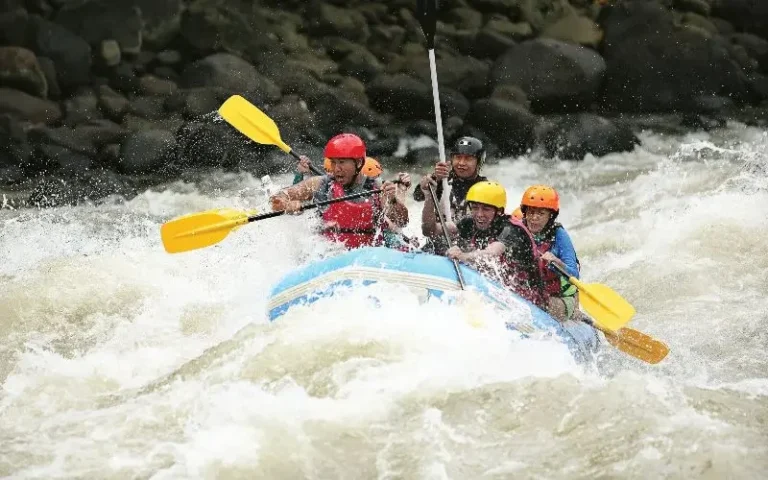
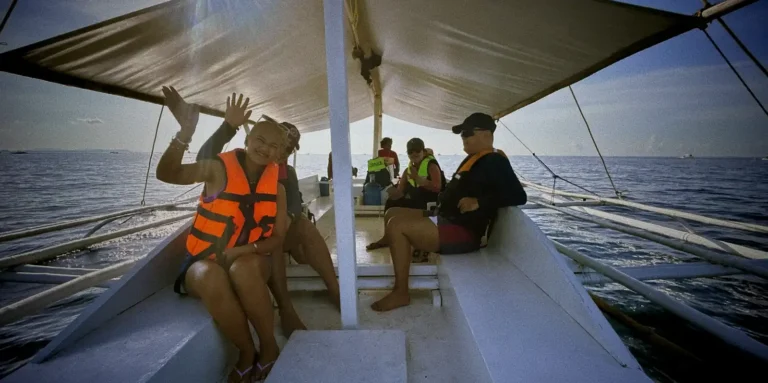
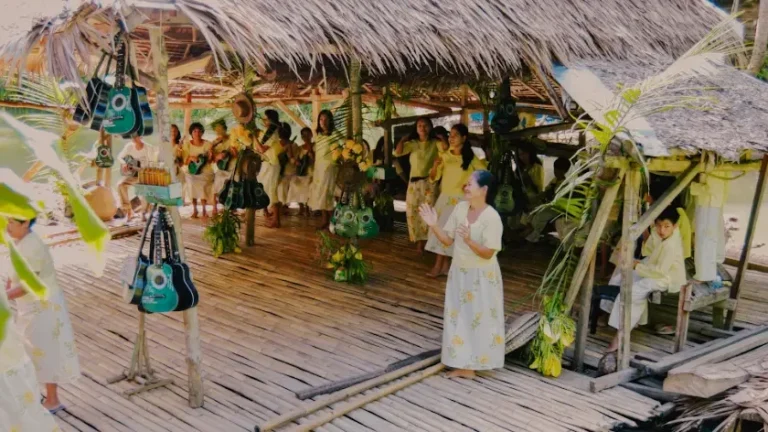

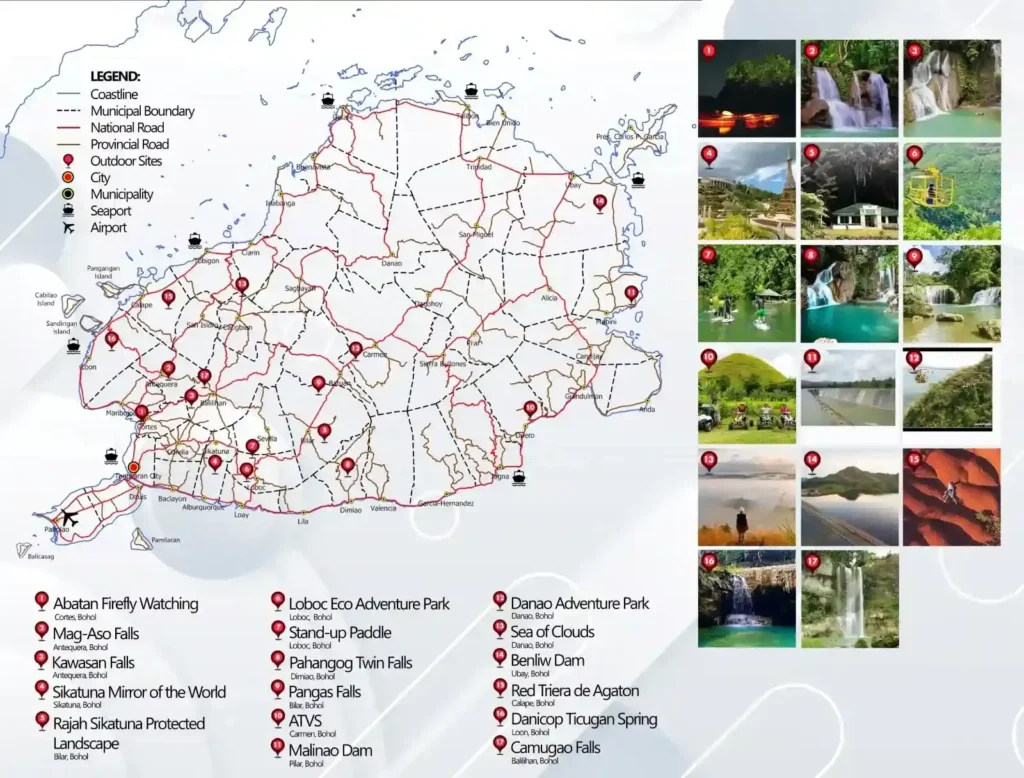
Where is Bohol Located in the Philippines?
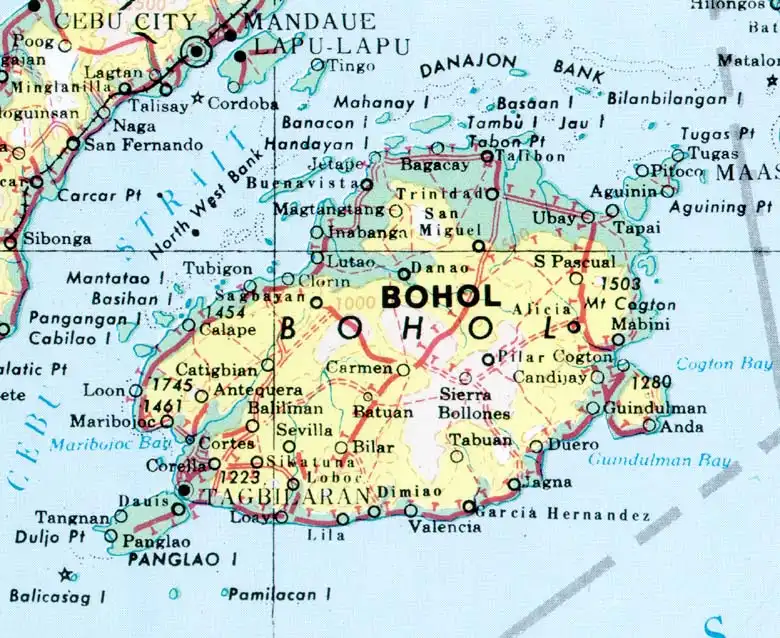
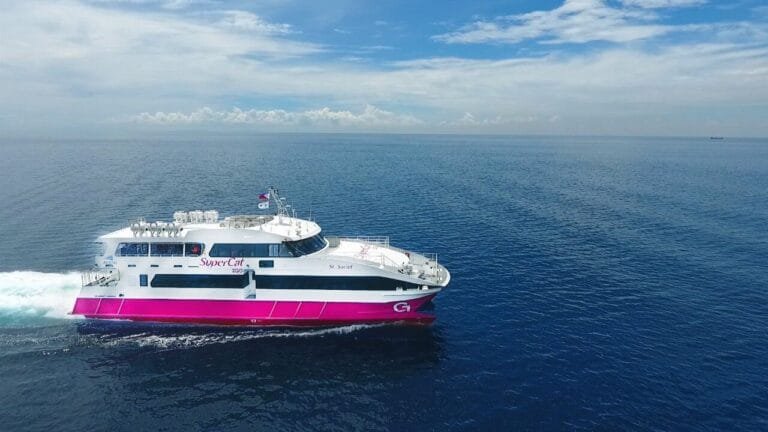
Bohol anchors the Central Visayas region, strategically positioned between Cebu to the west and Leyte to the northeast. The island sits in the heart of the Bohol Sea, separated from Cebu by the 72-kilometer Bohol Strait that modern fast ferries cross in just two hours. This central location makes Bohol an ideal hub for exploring multiple Visayan islands during extended Philippines itineraries.
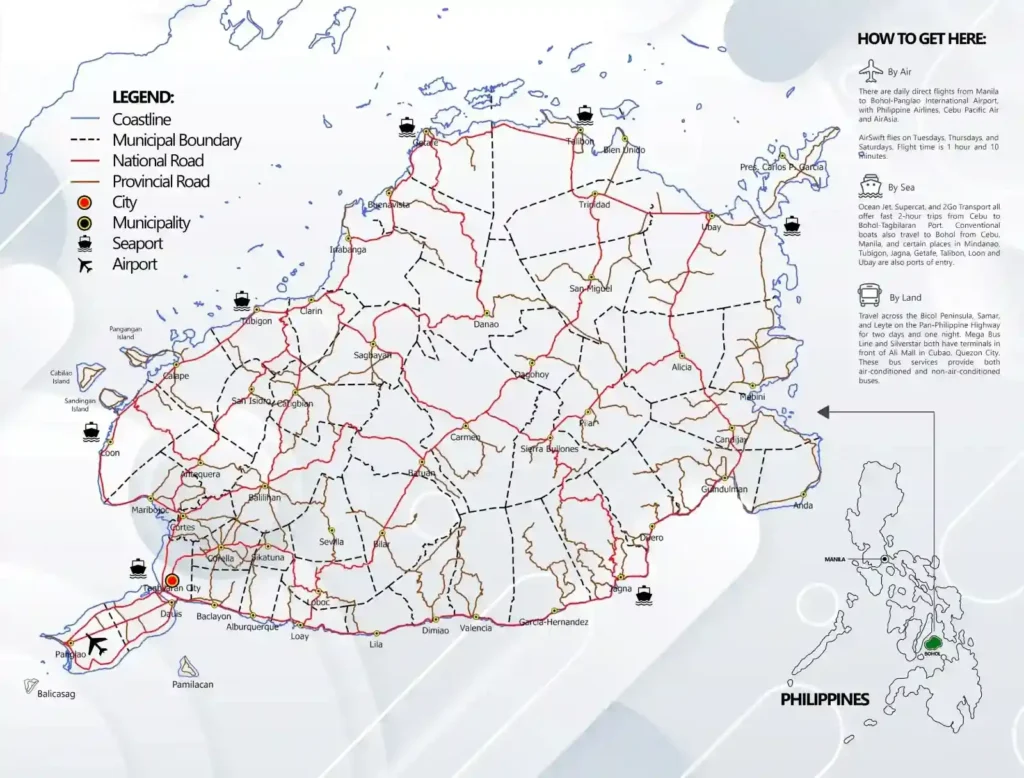
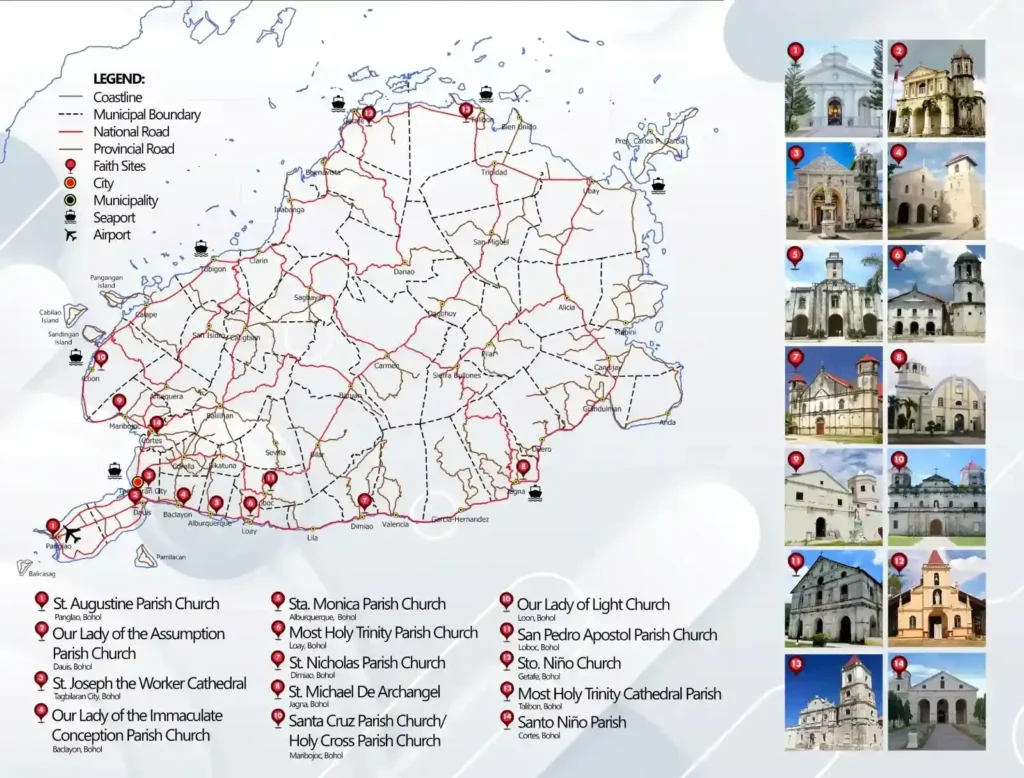
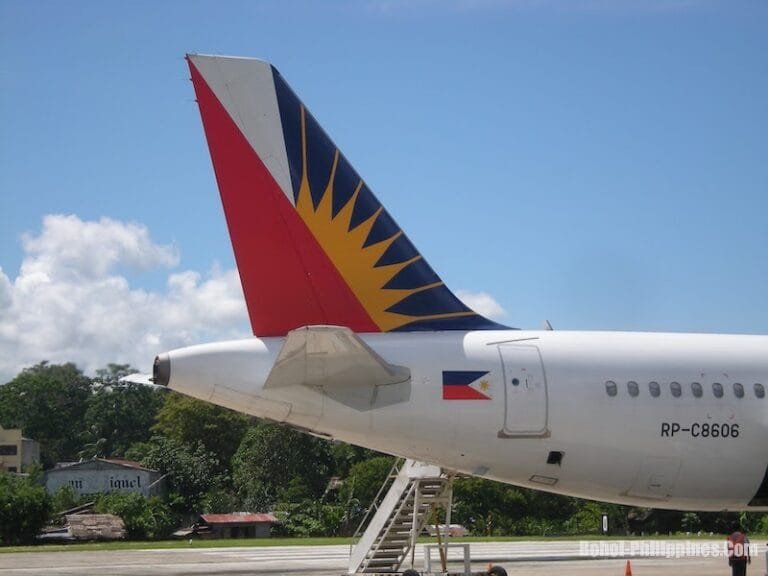
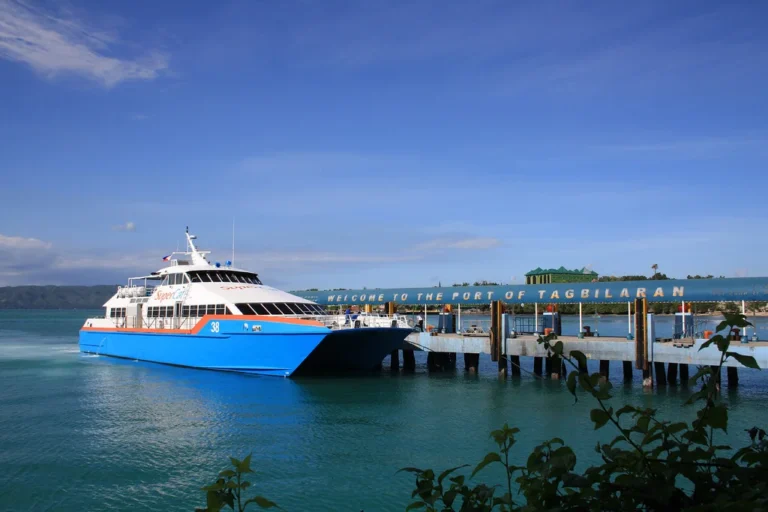
The provincial capital, Tagbilaran City, occupies prime real estate on the southwestern coast, serving as the primary gateway for ferry arrivals from Cebu, Dumaguete, and Siquijor. Just across two modern bridges lies Panglao Island, home to world-famous Alona Beach, luxury resorts, and Bohol-Panglao International Airport, which handles direct flights from Manila, Cebu, and select international destinations. Check our complete Bohol zip code list by zone.
Strategic Geographic Advantages:
- Central Visayas location enables easy island-hopping
- Two international gateways (Panglao Airport and Tagbilaran Port)
- Protected waters provide year-round ferry access
- Proximity to diving destinations like Apo Island and Siquijor
Ready to explore the beautiful islands of Cebu and Bohol? Secure your ferry tickets today through 12go and start your unforgettable journey! Ferry connections provide scenic approaches while offering significant cost savings compared to multiple flights.
Ready to explore Bohol? Book your adventure now! [Book on Klook] [Check Viator] [Browse GetYourGuide]
Understanding Bohol’s 4,821 km² Land Area and Terrain
As the Philippines’ 10th largest island, Bohol’s impressive land mass supports remarkably diverse topography shaped by millions of years of geological processes. The island’s foundation consists primarily of uplifted coral limestone, creating the porous bedrock responsible for Bohol’s famous karst formations, extensive cave networks, and unique drainage patterns.
Check the Rest of Bohol Travel
Coastal Lowlands (0-50 meters elevation)
The island’s perimeter features narrow coastal plains characterized by:
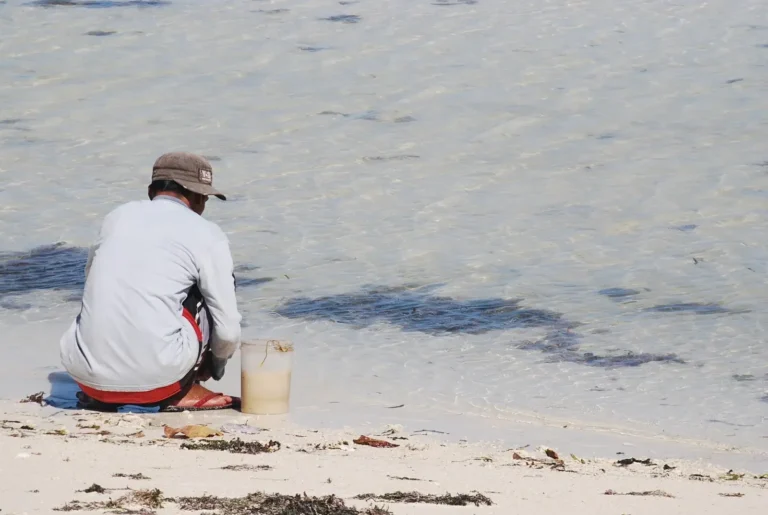
- White and golden sand beaches along Panglao, Anda, and Jagna
- Extensive mangrove forests protecting shorelines and supporting fisheries
- Fertile agricultural areas producing rice, corn, and coconuts
- Traditional fishing villages maintaining centuries-old maritime culture
Central Plateau (50-300 meters elevation)
Bohol’s interior plateau creates ideal conditions for:
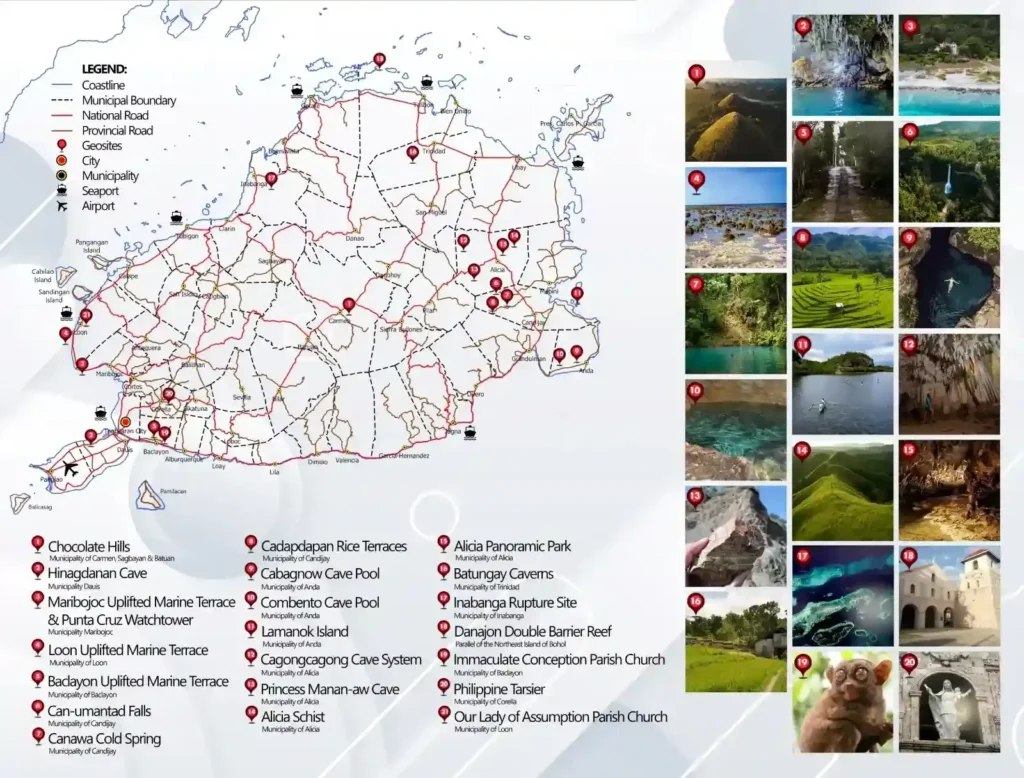
- The famous Chocolate Hills formation across Carmen, Batuan, and Sagbayan
- Rolling agricultural landscapes supporting livestock and crop farming
- Traditional towns preserving Spanish colonial architecture and customs
- River valley systems including the scenic Loboc and Abatan Rivers
Limited Bohol slots available – secure your spot today! [Reserve Now] [Check Dates] [Compare Prices]
Interior Highlands (300-870 meters elevation)
The island’s mountainous spine features:
- Mayana Peak (870m) – Bohol’s highest point offering panoramic views
- Dense tropical forests harboring endemic wildlife including Philippine tarsiers
- Watershed areas feeding major river systems
- Cool climate zones providing relief from tropical heat
“Bohol’s geography surprised us—we didn’t expect such dramatic elevation changes and diverse landscapes on a single island!” – Geography Enthusiast ⭐⭐⭐⭐⭐
🎯 Book Terrain-Specific Tours: Experience Bohol’s diverse geography through specialized tours targeting different elevation zones and geological formations.
The Chocolate Hills: Bohol’s Geological Marvel
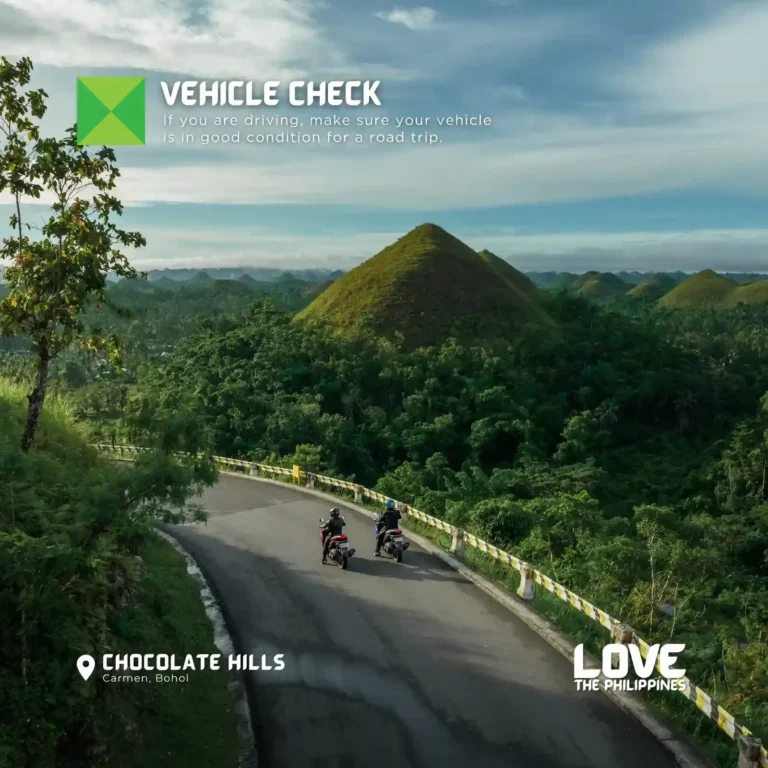
The Chocolate Hills represent one of Earth’s most unusual geological phenomena—over 1,268 nearly identical cone-shaped hills spread across 50 km² of Carmen, Batuan, and Sagbayan municipalities. These limestone formations, ranging from 30-120 meters in height, transform from emerald green during rainy season to chocolate brown during dry months, creating the iconic landscape that appears on Bohol’s provincial flag.
Formation and Geology
Scientific consensus attributes the Chocolate Hills to:
- Coral limestone uplift during ancient sea level changes
- Selective erosion creating uniform hill shapes over millions of years
- Karst weathering processes dissolving softer limestone layers
- Structural geological forces creating regular spacing patterns
The hills demonstrate classic karst topography—landscape shaped by limestone dissolution creating caves, sinkholes, springs, and underground drainage systems. This same process created Bohol’s extensive cave networks and explains why surface rivers are relatively rare compared to other Philippine islands.
Best Bohol rates with free cancellation – book risk-free! [Book Klook] [Try Viator] [See GetYourGuide]
UNESCO Global Geopark Recognition
In 2023, Bohol achieved prestigious UNESCO Global Geopark status, becoming the Philippines’ first recognized geopark. This designation acknowledges:
- Outstanding geological heritage value
- Sustainable tourism development
- Educational and scientific importance
- Community-based conservation efforts
- Cultural integration with natural landscapes
Chocolate Hills Viewing Strategy:
- Best Viewpoint: Carmen’s main complex with observation deck
- Alternative Viewpoints: Sagbayan Peak and Batuan Hills for smaller crowds
- Photography Times: Early morning (7-9 AM) and late afternoon (4-6 PM)
- Seasonal Considerations: March-May for classic “chocolate” brown colors
🎯 Book Chocolate Hills Premium Experience: Skip crowded tour buses and explore the geological wonder through private tours with expert guides explaining formation processes and conservation efforts.
Best of Bohol Attractions
Bohol’s River Systems and Waterways
Despite its limestone foundation, Bohol supports several significant river systems that carved scenic valleys through the karst landscape. These waterways play crucial roles in agriculture, transportation, and tourism while supporting unique ecosystems adapted to limestone chemistry.
Loboc River – The Musical Waterway
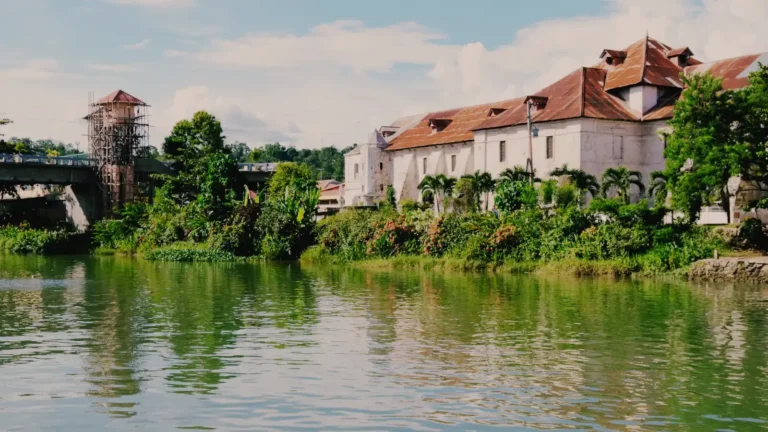
The 1.5-kilometer navigable section of Loboc River provides Bohol’s most famous cultural experience. This emerald waterway winds through pristine tropical forests while supporting traditional riverside communities and diverse wildlife including monitor lizards, tropical birds, and butterflies.
Loboc River Experiences:
- Floating Restaurant Cruises: Traditional lunch with live folk music performances
- Evening Firefly Tours: Witness thousands of fireflies illuminating riverside trees
- Stand-up Paddleboarding: Peaceful exploration of quiet river sections
- Cultural Performances: Riverside stages featuring traditional Boholano music and dance
Join 1,000+ happy travelers – book yourBohol tour today! [Book Now] [Read Reviews] [Compare Options]
Abatan River – Bioluminescence and Mangroves
The Abatan River system creates Bohol’s most extensive mangrove forest, protecting coastlines while supporting rich marine biodiversity. Evening tours reveal spectacular bioluminescent plankton displays that illuminate water with every paddle stroke.
Inabanga River – Historical Significance
Bohol’s longest river system played crucial roles during Francisco Dagohoy’s 85-year rebellion (1744-1829), providing transportation routes and defensive positions for revolutionary forces in the mountainous interior.
“The Loboc River cruise was magical—combining stunning scenery with authentic Filipino culture and delicious local cuisine.” – River Tour Guest ⭐⭐⭐⭐⭐
🎯 Book Multi-River Adventure Package: Experience all three major river systems through comprehensive tours including cultural performances, bioluminescence viewing, and historical site visits.
Extensive Cave Networks and Karst Features
Bohol’s porous limestone foundation created over 200 documented caves ranging from easily accessible tourist caves to technical spelunking challenges requiring specialized equipment. This extensive underground network demonstrates active karst processes while providing habitat for unique cave-adapted species.
Popular Tourist Caves
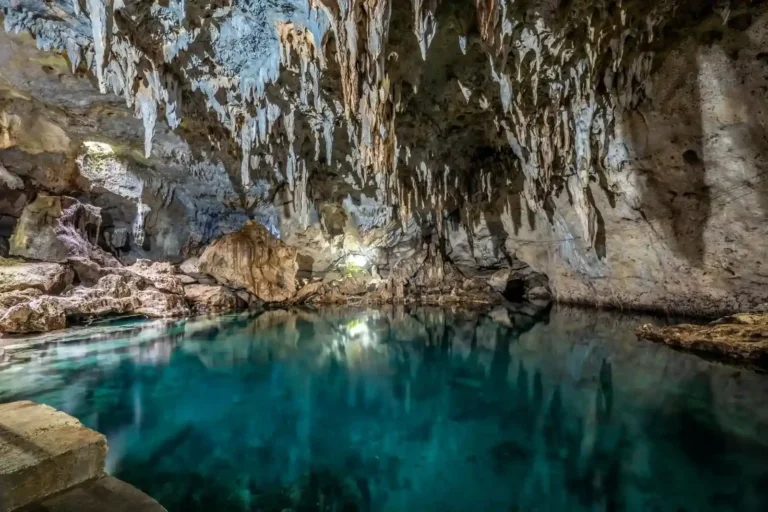
Hinagdanan Cave (Panglao Island)
- Features: Underground lagoon with natural skylight opening
- Access: Easy concrete stairs, suitable for all ages
- Swimming: Brackish water pool combining fresh and saltwater
- Photography: Dramatic lighting through ceiling collapse
Anda Cave Pool Circuit
- Multiple Locations: Combento, Cabagnow, Kaligoon, and Tibaw caves
- Activities: Swimming, cliff jumping, snorkeling, photography
- Geology: Cenote-like formations resembling Mexico’s cave systems
- Access: Remote eastern Bohol location, 2.5 hours from Tagbilaran
Start planning your perfect Bohol day trip now. [Book Tour] [Check Availability] [See Details]
Best of Bohol Accomodations

Historical and Adventure Caves
Francisco Dagohoy Cave (Danao Municipality)
- Historical Significance: Revolutionary hideout during 85-year rebellion
- Technical Features: 17-meter entrance drop, crystal-studded passages
- Underground Stream: Connects to Wahig River system
- Challenge Level: Moderate to difficult, requires experienced guides
Crystal and Ka Mirror Caves (Jagna)
- Geological Features: Extensive stalactite and stalagmite formations
- Scientific Value: Ongoing speleothem growth demonstrates active processes
- Educational Opportunities: Understanding limestone cave development
Cave Safety and Conservation:
- Always use certified local guides familiar with specific cave systems
- Respect formations—touching stops mineral growth processes
- Support bat colonies by minimizing disturbance during visits
- Follow UNESCO Geopark guidelines for sustainable cave tourism
🎯 Book Professional Cave Exploration Package: Access multiple cave systems with certified spelunking guides, safety equipment, and geological interpretation for comprehensive underground adventures.
Island Paradise: Bohol’s Coastal Geography
Bohol’s 261 kilometers of diverse coastline encompass everything from powdery white sand beaches to dramatic limestone cliffs and extensive mangrove systems. The main island connects to 75 smaller islands and islets, each contributing unique characteristics to the province’s marine ecosystem and tourism offerings.
Panglao Island – Beach Resort Capital
Connected to mainland Bohol via two modern bridges, Panglao Island represents the province’s tourism heartland. This 91.12 km² island features:
Northern Coast: Calmer waters ideal for swimming and sunset viewing Western Coast: Alona Beach’s 1.5-kilometer stretch of premium resorts and diving centers
Southern Coast: Pristine beaches with fewer crowds and authentic fishing villages Interior: Rolling hills with traditional farming communities and cave systems
Ready to explore Bohol? Book your adventure now! [Book on Klook] [Check Viator] [Browse GetYourGuide]
Offshore Island Gems
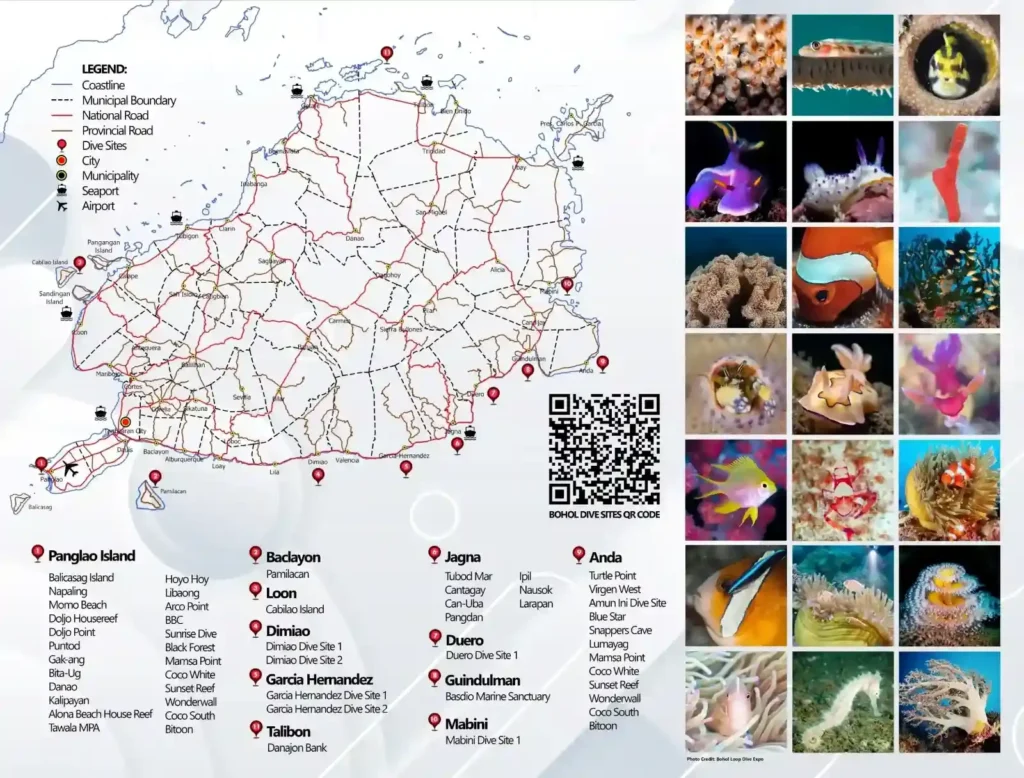
Balicasag Island Marine Sanctuary
- Distance: 6.5 kilometers southwest of Panglao
- Features: Pristine coral reefs, sea turtle encounters, dramatic wall diving
- Conservation: Strictly protected marine sanctuary with sustainable tourism practices
Pamilacan Island
- Wildlife: Spinner dolphins, occasional whale sightings
- Culture: Traditional fishing community welcoming visitors
- Activities: Dolphin watching, snorkeling, cultural immersion
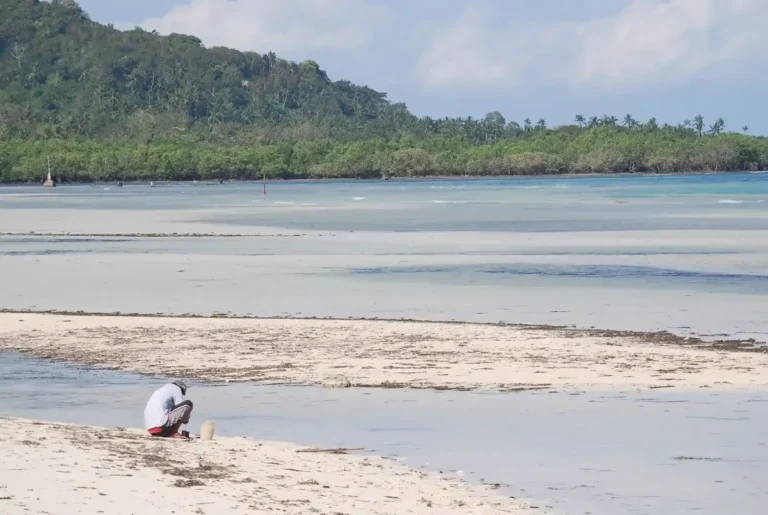
Virgin Island Sandbar
- Formation: Shifting white sand formation visible during low tide
- Access: 20-30 minute boat ride from Panglao
- Experience: Walking on sand surrounded entirely by turquoise sea
Anda Peninsula – Eastern Wilderness
Bohol’s remote eastern peninsula offers authentic coastal experiences away from resort development:
- Quinale Beach: Long stretches of white sand with mountain backdrops
- Cave Pool Access: Unique combination of coastal and underground attractions
- Traditional Culture: Fishing communities maintaining centuries-old practices
- Pristine Reefs: Excellent diving and snorkeling with minimal tourist impact
“Island hopping around Bohol revealed incredible diversity—each island had completely different characteristics and attractions.” – Marine Adventure Guest ⭐⭐⭐⭐⭐
🎯 Book Complete Island Discovery Package: Experience Bohol’s full coastal diversity through multi-day packages combining resort stays, island hopping, and cultural immersion.
Limited Bohol slots available – secure your spot today! [Reserve Now] [Check Dates] [Compare Prices]
Strategic Travel Distances and Transportation Planning
Understanding Bohol’s geography requires grasping the real distances and travel times between major attractions. The island’s winding roads and mountainous terrain mean that straight-line distances on maps don’t reflect actual travel time, making strategic planning essential for efficient itineraries.
Key Distance and Time Calculations
From Tagbilaran City:
- Panglao Airport: 18 kilometers, 30-40 minutes
- Alona Beach: 22 kilometers, 35-45 minutes
- Chocolate Hills (Carmen): 55 kilometers, 90-120 minutes
- Loboc River: 24 kilometers, 45-60 minutes
- Anda Peninsula: 100 kilometers, 150-180 minutes
- Dagohoy Cave (Danao): 92 kilometers, 120-150 minutes
Inter-Attraction Distances:
- Chocolate Hills to Loboc River: 31 kilometers, 45-60 minutes
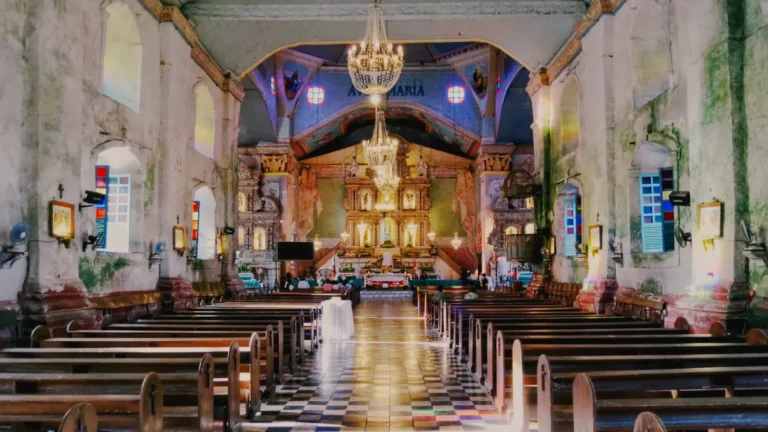
- Loboc to Baclayon Church: 18 kilometers, 30-40 minutes
- Hinagdanan Cave to Alona Beach: 8 kilometers, 15-20 minutes
Transportation Options and Efficiency
Private Vehicle Rental
- Best For: Groups of 4-8 people wanting maximum flexibility
- Cost: ₱3,500-5,500 per day including driver and fuel
- Advantages: Custom itineraries, air conditioning, luggage security
- Booking: Reserve 2-3 days in advance during peak season
Organized Countryside Tours
- Best For: First-time visitors wanting hassle-free experiences
- Cost: ₱2,500-4,500 per person for full-day tours
- Inclusions: Transport, guide, entrance fees, often lunch
- Routes: Optimized for maximum attraction coverage
Motorcycle/Scooter Rental
- Best For: Adventure travelers and couples
- Cost: ₱400-800 per day
- Range: Suitable for Panglao and nearby attractions only
- Considerations: International driving permit required
Public Transportation
- Jeepneys and Buses: ₱20-80 per trip, longer travel times
- Tricycles: ₱100-300 for short distances
- Habal-habal: ₱200-500 for remote locations like mountain caves
Best Bohol rates with free cancellation – book risk-free! [Book Klook] [Try Viator] [See GetYourGuide]
Strategic Routing for Maximum Efficiency
Classic Countryside Loop (1 Day): Tagbilaran → Baclayon Church (20 min) → Loboc River Cruise (30 min) → Bilar Man-made Forest (15 min) → Chocolate Hills (20 min) → Return via Sikatuna (90 min)
Eastern Adventure Circuit (2 Days): Day 1: Tagbilaran → Jagna → Crystal Cave → Anda Peninsula (stay overnight) Day 2: Anda Cave Pools → Quinale Beach → Return to Tagbilaran
Northern Explorer Route (2-3 Days): Tagbilaran → Danao (Dagohoy Cave) → Inabanga → Sohoton Cave → Chocolate Hills → Return
“Having a local driver who knew the best routes and timing made all the difference—we saw twice as much as friends who tried DIY transportation.” – Efficient Travel Guest ⭐⭐⭐⭐⭐
🎯 Book Optimized Geography Tour Package: Let local experts handle route planning while you focus on experiencing Bohol’s diverse landscapes through professionally designed itineraries.
Climate and Seasonal Geography Considerations
Bohol’s geography creates distinct microclimates that significantly impact travel experiences, attraction accessibility, and activity suitability. Understanding these patterns enables better planning for weather-dependent activities like cave exploration, river cruises, and island hopping.
Seasonal Weather Patterns
Dry Season (November-May)
- Temperatures: 24-32°C with lower humidity
- Rainfall: Minimal precipitation, clear skies predominant
- Sea Conditions: Calm waters ideal for island hopping and diving
- Cave Access: Lower water levels in underground systems
- Best For: All outdoor activities, photography, extensive travel
Wet Season (June-October)
- Temperatures: 26-30°C with high humidity
- Rainfall: Frequent afternoon thunderstorms, occasional typhoons
- Sea Conditions: Rougher waters, some island tours suspended
- Cave Features: Higher water levels create dramatic underground streams
- Advantages: Lush landscapes, fewer crowds, lower accommodation rates
Bohol Travel Guide – Read More
No posts
Geographic-Specific Weather Considerations
Coastal Areas (Panglao, Anda):
- Sea breezes moderate temperatures year-round
- Storm exposure during typhoon season (July-October)
- Best diving visibility during dry season months
Interior Highlands (Chocolate Hills area):
- Cooler temperatures at higher elevations
- Fog possible during early morning hours
- Afternoon thunderstorms common during wet season
River Valleys (Loboc, Abatan):
- Protected from strong winds by surrounding hills
- Higher humidity due to water presence
- Optimal conditions for wildlife viewing during dry season
🎯 Book Season-Optimized Tour Packages: Choose tours specifically designed for current weather conditions, ensuring maximum enjoyment regardless of travel timing.
Join 1,000+ happy travelers – book yourBohol tour today! [Book Now] [Read Reviews] [Compare Options]
Why Bohol’s Geography Matters for Your Travel Planning
Understanding Bohol’s physical geography directly impacts every aspect of your travel experience, from accommodation selection and transportation logistics to activity choices and seasonal timing. Smart geography-based planning transforms potentially rushed itineraries into comfortable, memorable adventures.
Strategic Accommodation Positioning
Panglao Island Base Strategy:
- Advantages: Beach access, dining variety, easy airport transfers
- Best For: First-time visitors, luxury seekers, diving enthusiasts
- Limitations: Higher costs, crowds during peak season
- Travel Times: 60-90 minutes to major inland attractions
Tagbilaran City Hub Approach:
- Advantages: Central location, budget options, transport connections
- Best For: Multi-destination travelers, budget-conscious visitors
- Access: Equal distance to most major attractions
- Considerations: Limited beach access, urban environment
Remote Area Immersion (Anda, Danao):
- Advantages: Authentic experiences, pristine nature, lower costs
- Best For: Adventure travelers, nature lovers, cultural enthusiasts
- Challenges: Limited dining options, longer travel times to major attractions
- Rewards: Uncrowded caves, beaches, and cultural sites
Bohol Tours
Activity Planning Based on Geographic Clusters
Coastal Cluster (1-2 Days): Combine Panglao beaches, Hinagdanan Cave, Baclayon Church, and nearby island hopping for efficient coastal experiences.
Inland Adventure Cluster (1-2 Days): Group Chocolate Hills, Loboc River, Bilar Forest, and Tarsier Sanctuary for comprehensive countryside exploration.
Eastern Wilderness Cluster (2-3 Days): Dedicate sufficient time for Anda’s cave pools, Quinale Beach, and cultural immersion experiences requiring longer travel distances.
Historical Geography Route (2-3 Days): Focus on Dagohoy Cave, Inabanga River, historical churches, and heritage sites for cultural and historical depth.
“Understanding Bohol’s geography helped us choose the perfect base location and plan realistic daily itineraries without feeling rushed.” – Strategic Planner ⭐⭐⭐⭐⭐
Start planning your perfect Bohol day trip now. [Book Tour] [Check Availability] [See Details]
Frequently Asked Questions
How big is Bohol compared to other Philippine islands?
Bohol ranks as the Philippines’ 10th largest island at 4,821 km², roughly the size of Bali or twice the size of Luxembourg. It’s significantly larger than Boracay (10 km²) but smaller than Palawan (14,649 km²) or Mindanao (97,530 km²).
What’s the best base location for exploring all of Bohol?
Tagbilaran City offers the most central access to all attractions, while Panglao provides beach luxury with slightly longer travel times. Anda works best for eastern Bohol focus, while Danao suits northern/historical exploration.
How long does it take to drive across Bohol?
East to west (Tagbilaran to Anda): 2.5-3 hours. North to south varies by route but typically 2-4 hours depending on mountain roads and stops. The island requires 2-3 days minimum for comprehensive exploration.
Are Bohol’s roads suitable for self-driving?
Main highways connecting major towns are well-maintained, but remote areas like Dagohoy Cave require 4WD vehicles and local knowledge. International driving permits are required, and traffic rules may differ from Western standards.
When is the best time to visit for optimal geography experiences?
November-May offers the best conditions for all geographical features—clear skies for Chocolate Hills views, calm seas for island hopping, accessible caves, and comfortable temperatures for hiking and exploration.
Bohol Travel Essentials
Ready to Explore Bohol’s Incredible Geography?
From the mystical Chocolate Hills rising from ancient seabeds to pristine cave systems carved by countless centuries of water flow, Bohol’s geography tells the story of Earth’s incredible creative power. Whether you’re drawn to the scientific wonder of karst formations, the cultural significance of river valleys, or the simple beauty of white sand beaches meeting turquoise seas, understanding this remarkable island’s physical character enhances every moment of your Philippines adventure.
🎯 Book Your Complete Bohol Geography Adventure:
🗺️ Reserve Your Ultimate Bohol Explorer Package
✅ Professional guides with geological and cultural expertise
🚐 Efficient transportation between diverse landscapes
🏞️ Access to UNESCO Geopark sites and remote locations
📸 Photography opportunities across all terrain types
🏊♀️ Swimming, caving, and island hopping experiences
⏰ Limited seasonal availability – secure your dates now!
👉 [Book Complete Bohol Geography Explorer] – All major landscapes covered!
Support our site by booking through our trusted partners. These affiliate links help keep this travel content free while supporting local tourism in Bohol and Cebu.