Bohol and St. Monica of Hippo
Secure your Cebu Bohol ferry tickets today to start your unforgettable journey!
Saint Monica of Hippo (332 – 387 AD) is a Christian saint and the mother of Saint Augustine, who wrote extensively of her virtues and his life with her in his Confessions.
Saint Monica was of Berber descent. She was born at Tagaste (located in modern-day Souk Ahras, Algeria). Her parents brought her up as Christian and married her to an older, pagan man named Patricius. He was a man with a great deal of energy, but also a man given to violent tempers and adultery. Augustine reports that despite the prevalence of domestic abuse at the time, because of her obedience to him, Patricius never beat St. Monica. Furthermore, her mother-in-law was against her and put her into great troubles.
Recommended Bohol Philippines Tours

[ Bohol Sight Seeing Day Trips - Check Out Availability ]
[ Full Day Cruise and Sailing Tours - Check out Availability ]
[ Full Day Adventure Tours - Check out Availability ]
Discover more of Bohol's natural wonders through our recommended tours. Click on the links below to embark on unforgettable adventures:
Ready to explore the beautiful islands of Cebu and Bohol? Secure your ferry tickets today through 12go and start your unforgettable journey!
However, St Monica attended church daily and cultivated the virtue of patience. Almsgiving and her habits of prayer annoyed her husband, creating a gulf between them. She was not the only matron of Tagaste whose married life was unhappy, but, by her sweetness and patience, she was able to exercise a veritable apostolate amongst the wives and mothers of her native town; they knew that she suffered as they did, and her words and example had a proportionate effect.
She would say to other women who had bad marriages, "If you can master your tongue, not only do you run less risk of being beaten, but perhaps you may even, one day, make your husband better." She won the favor of her mother-in-law in a short time. Eventually, she converted Patricius to Christianity and calmed his violent nature.
St Monica bore three children: Augustine, the eldest; Navigius, the second, and a daughter, Perpetua. Monica had been unable to secure baptism for her children, and her grief was great when Augustine fell ill. In her distress she besought her husband to allow him to be baptized; he agreed, but on the boy's recovery withdrew his consent.
She prayed for 30 years for the conversion of her pagan husband. Her example and prayer finally paid off, as her husband converted to the faith, a year before his death, which occurred when Augustine was seventeen. When Patricius died, Monica resolved not to marry again and joined Augustine in Italy.
Augustine was one of the most intelligent men who ever lived and was a successful as a scholar and a teacher. He had been brought up a Christian, yet his sins of impurity and his pride darkened his mind so much, that he could not see or understand the Divine Truth anymore.
Click for FREE information and compare prices of Bohol Island hotels and beach resorts
All Monica's anxiety now centred in Augustine. Because of his laziness and wayward ways, he was sent to Madaura and to Carthage to pursue his studies and here he fell into grievous sin. He lived with his mistress for ten years and subscribed to Manichaeism. On his return home he ventilated certain heretical propositions and St. Monica drove him away from her table.
Later, St. Monica had a strange vision which urged her to recall him. It was at this time that she went to see a certain holy bishop who consoled her with the now famous words, "the child of those tears shall never perish."
At the death of her husband, she followed Augustine to Rome only to find out that he had already gone to Milan. Again she followed him and there she found Saint Ambrose. Mother and son spent six months of true peace at Cassiacum. After seventeen years of resistance, Augustine yielded to the ministering of St. Ambrose and was baptized by him in the church of St. John the Baptist in Milan at the age of 28, on Easter Eve in 387.
Not long after, as she was preparing to return to Africa, St. Monica died at the age of 56 at the port of Ostia, telling Augustine: "There was indeed one thing for which I wished to tarry a little in this life, and that was that I might see you a Catholic Christian before I died. My God hath answered this more than abundantly, so that I see you now made his servant and spurning all earthly happiness. What more am I to do here?"
Before her death Monica had the great joy of knowing that Augustine had returned to God and also that her daughter Perpetua had become a nun. She was buried at Ostia, and at first seems to have been almost forgotten, though her body was removed during the sixth century to a hidden crypt in the church of St. Aureus.
About the thirteenth century, however, the cult of St. Monica began to spread and a feast in her honour was kept on 4 May. In 1430 Martin V ordered the relics to be brought to Rome. Her relics then were removed from Ostia to the Church of Sant’Agostino in Rome. Many miracles occurred on the way, and the cult of St. Monica was definitely established.
Later the Archbishop of Rouen, Cardinal d'Estouteville, built a church at Rome in honour of St. Augustine and deposited the relics of St. Monica in a chapel to the left of the high altar. The Office of St. Monica however does not seem to have found a place in the Roman Breviary before the sixteenth century.
In 1850 there was established at Notre Dame de Sion at Paris an Association of Christian Mothers under the patronage of St. Monica; its object was mutual prayer for sons and husbands who had gone astray. This Association was in 1856 raised to the rank of an archconfraternity and spread rapidly over all the Catholic world, branches being established in Dublin, London, Liverpool, Sydney, and Buenos Aires. Eugenius IV had established a similar Confraternity long before.
Saint Monica's feast day was inserted into the Roman Calendar in about 1550 and assigned to May 4, the day on which the Augustinians celebrated her, since on May 5 they celebrate the conversion of Saint Augustine, and the exact date of her death is unfortunately not known.
Since the feast of the Conversion of Saint Augustine is not part of the Roman calendar, it was decided, as part of the 1969 revision of the Roman Catholic calendar of saints, to move her feast to August 27, the day before the feast of her son Saint Augustine that is in the Roman calendar.
Traditional Roman Catholics continue to commemorate her feast day on May 4, which is celebrated as a feast of the III class (see the General Roman Calendar of 1962) or as a Double feast. Saint Monica is the Patron Saint of wives, mothers, and abused victims. Her exemplary virtue of patience is worthy to be followed by all.
In Bohol, the religious fervor of the people finds expression in the commemoration of Sta. Monica’s feast day on May 4 at Alburquerque. The week prior to the feast day finds the town in a hive of activity with discos, competitions and sports tournaments aside from the 9-day Novena Masses offered before the feast day itself and the procession of her image the day before. The church is full-packed with devotees during the Novena Masses and more so on the feast day. A multitude of people, both locals and guests, line the streets and participate in the procession. The Masses and procession are considered by the Boholanos as a time for thanksgiving for graces obtained thru the intercession of their beloved saint and thus calling for a public display of their devotion to her.
Source:
http://en.wikipedia.org/wiki/saint
Top of St. Monica of Hippo
Ready to explore the beautiful islands of Cebu and Bohol? Secure your ferry tickets today through 12go and start your unforgettable journey!
recommended hotel booking
Book your stay in Bohol's breathtaking surroundings through Agoda and experience the ultimate relaxation
Top 25 Sights and Attractions in Bohol
- Chocolate Hills
- Tarsier Conservation Sanctuary
- Panglao Island
- Loboc River Cruise
- Hinagdanan Cave
- Balicasag Island
- Alona Beach
- Bilar Man-made Forest
- Blood Compact Shrine
- Baclayon Church
- Bohol Bee Farm
- Anda Beach
- Sipatan Twin Hanging Bridge Loboc
- Danao Adventure Park
- Sagbayan Peak
- Butterfly Conservation Center
- Clarin Ancestral House
- Dimiao Twin Falls
- Mag-Aso Falls
- Anda White Beach
- Lamanok Island
- Rajah Sikatuna Protected Landscape
- Dauis Church
- Can-umantad Falls
- Punta Cruz Watchtower
Top 20 Destinations of Bohol
- Tagbilaran City
- Panglao Town
- Talibon Town
- Anda Town
- Loboc Town
- Dauis Town
- Ubay Town
- Tubigon Town
- Loon Town
- Jagna Town
- Alicia Town
- Carmen Town
- Getafe
- Danao Town
- Bilar
- Alburquerque
- Sierra Bullones
- Sagbayan Town
- Baclayon Town
- Antequera
Ready to explore the beautiful islands of Cebu and Bohol? Secure your ferry tickets today through 12go and start your unforgettable journey!

All Rights Reserved ©2023. Bohol Philippines Travel Guide
Address: Talibon, Bohol, Philippines
Site Search
Bohol Tours
Discover more of Bohol's natural wonders through our recommended tours. Click on the links below to embark on unforgettable adventures:
BOHOL MUST SEE #1
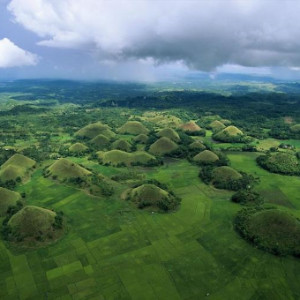
BOHOL MUST SEE #2
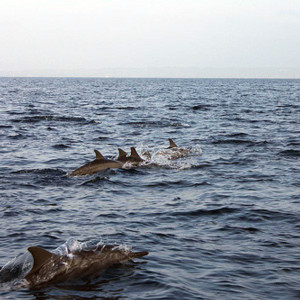
BOHOL MUST SEE #3

BOHOL MUST SEE #4
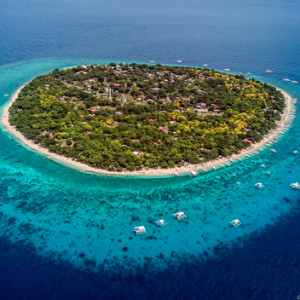
BOHOL MUST SEE #5
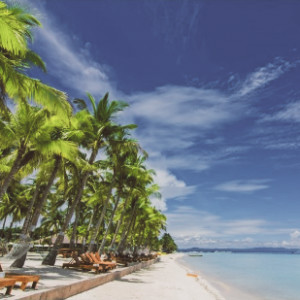
BOHOL MUST SEE #6

Recent Articles


-
Best Bohol Tour Packages for 2023: Unforgettable Adventures Await
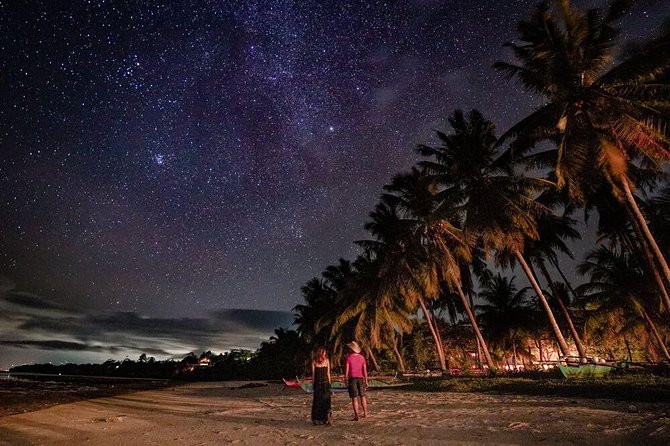 Welcome to our Best of Bohol Tour Packages list for 2023, where we bring you a curated selection of the finest tour packages to explore the island of Bohol.
 -
Bohol Escapade Packaged Tour (4 Days /3 Nights)
 Best Bohol Escapade Packaged Tour! For a 4D/3N stay in the resort of your choice, visit Bohols major countryside attractions and experience dolphins and whales plus island hopping!
 -
Discover The Tranquil Charm Of Loboc - Your Ultimate Travel Guide
 Loboc, with its breathtaking landscapes, rich cultural heritage, and warm hospitality, offers a memorable travel experience for visitors. exploring the river
 -
Loboc Children's Choir: Enchanting Voices Soar to Heavenly Heights
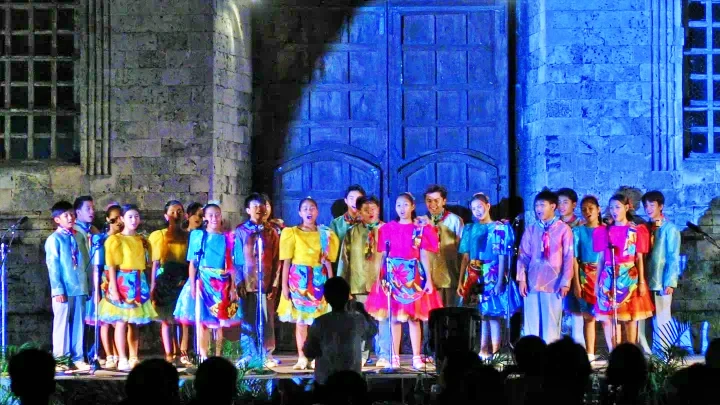 Immerse yourself in the angelic melodies of the Loboc Children's Choir. Experience their captivating performances and be swept away by their pure, well-trained voices.
 -
Explore Baclayon Bohol: Unveiling History, Culture, & Natural Beauty
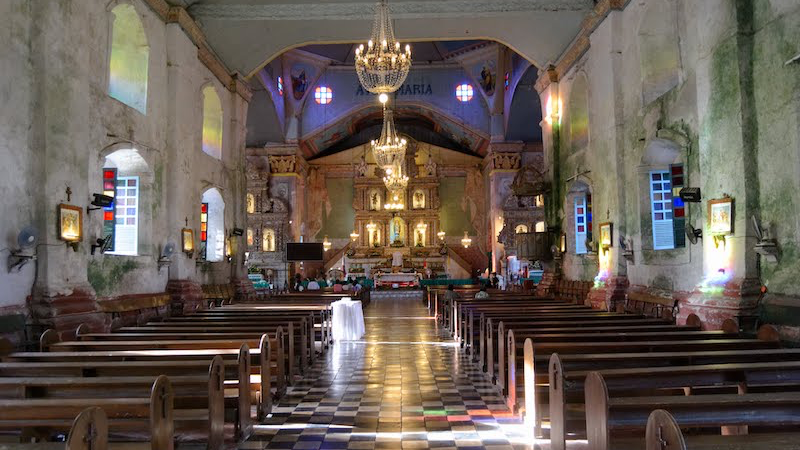 Discover the hidden treasures of Baclayon, Bohol, as you delve into its rich history, vibrant culture, and breathtaking natural landscapes. Explore the Baclayon Church, indulge in pastries, visit ance…
 -
Discover the Natural Wonders of Bilar: A Tranquil Interior Town
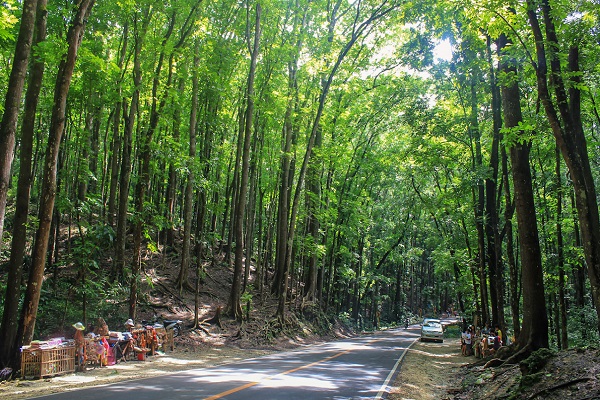 Experience the beauty of Bilar, a 5th class municipality in Bohol, known for its lush forests, scenic landscapes, and captivating birdwatching opportunities. Discover the top attractions and hidden ge…