
Discover Bohol and Cebu
Bohol Philippines: Where Paradise Meets Adventure
Bohol Philippines: Where Paradise Meets Adventure
I now live and work in Cebu City, but my heart has always had roots across the water. My father is from Guindulman, my mother is from San Miguel, both in Bohol, and growing up, school holidays meant long banca (outrigger boat) rides to the province, barefoot walks past old coral-stone churches, and aunties pressing puso (woven palm leaf rice packets) into my hands before I could say no. Bohol felt like a different world — slower, greener, more alive.
That personal connection is the reason this site exists. Bohol Philippines is one of the most rewarding destinations in Southeast Asia, and I want you to experience it the way locals do: with real information, honest recommendations, and enough detail to feel confident before you book a single thing.
Together, Bohol and Cebu cover nearly 10,000 square kilometres of Central Visayas — volcanic peaks, white-sand islands, centuries-old churches, and some of the richest coral reefs on the planet. Whether you are a first-time visitor, a returning traveller chasing a new corner of the archipelago, or a diver who has heard about the drop-offs at Balicasag and can’t stop thinking about them, this site has a guide for you.


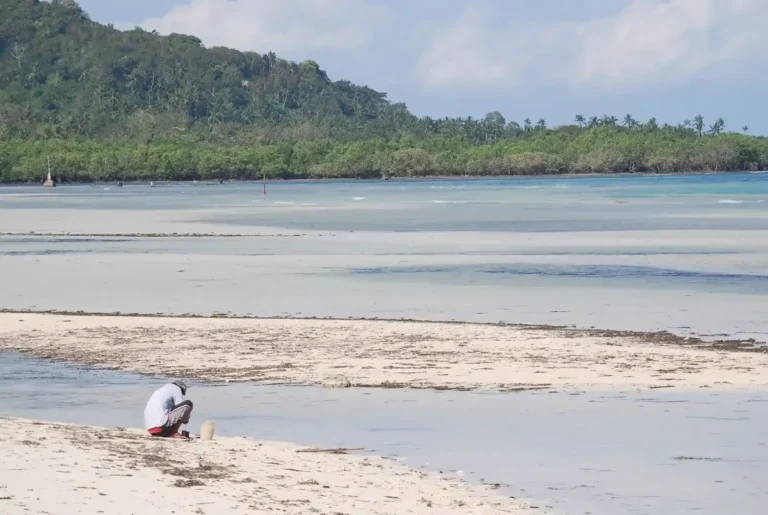
When to come: The dry season (amihan) runs from November through April — that is your window for the clearest skies, calmest seas, and best diving conditions. December through April is peak season, and Holy Week in March or April is the single busiest period, so book accommodation three to six months ahead if you are travelling then.
What it costs: Budget travellers can move comfortably through Bohol from approximately ₱1,500 to ₱2,500 a day. Mid-range couples typically spend ₱5,000 to ₱10,000. Luxury resorts in Panglao rival anything in the Maldives — and cost considerably less. There is a version of this trip for almost every wallet.
Ready to start planning? Browse all Bohol day tours and lock in your itinerary before you land.
Discover Bohol, Philippines
Bohol is a 4,821 km² island province that punches well above its size. It is the kind of place where a single day can take you from a river cruise through ancient rainforest to a dive site swarming with sea turtles, with a stop at a 400-year-old church. Start with our complete Bohol travel guide to get your bearings — it covers every major area, transport links, and the trip-planning decisions that actually matter.
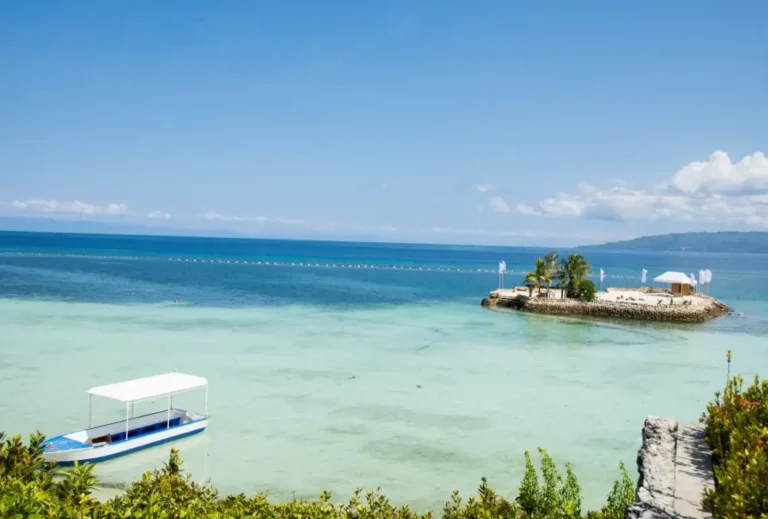
Most visitors base themselves on Panglao Island, a 91 km² island connected to the mainland by two bridges and home to Bohol’s best beaches. Ferries and flights arrive into Tagbilaran City, the provincial capital, which makes a practical first night if you land late.
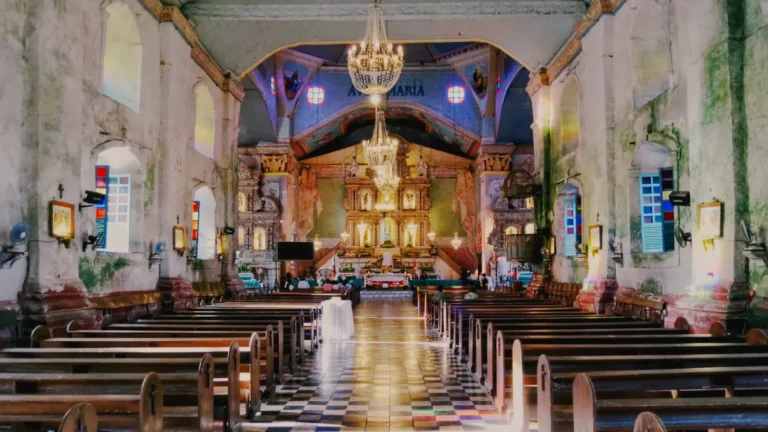
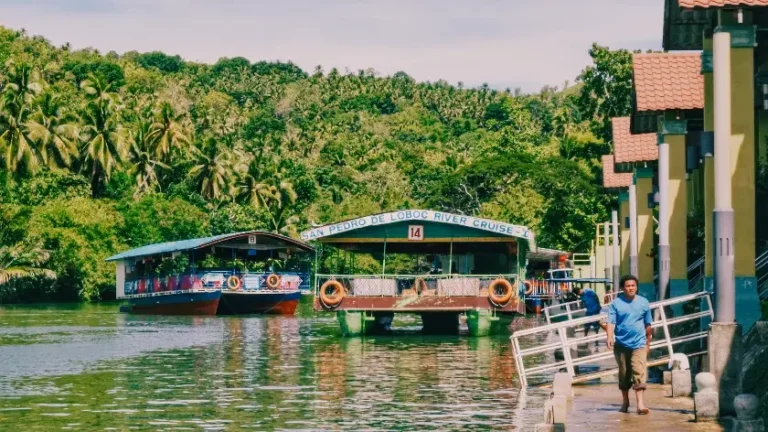
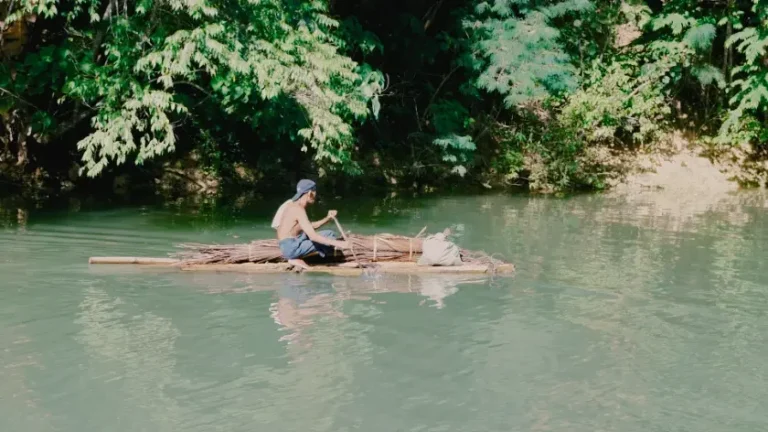
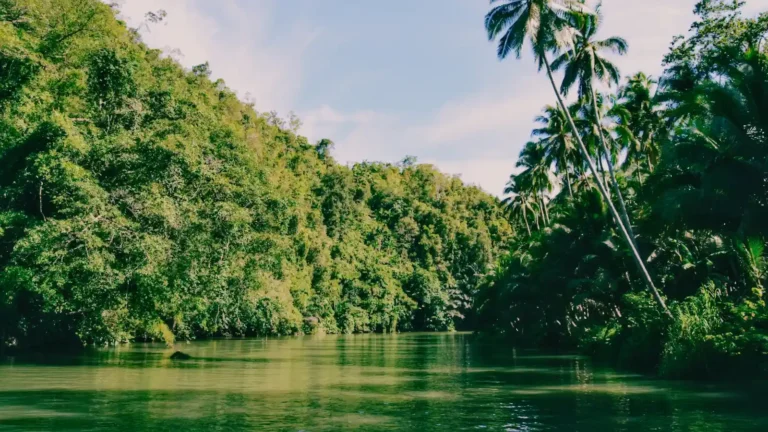
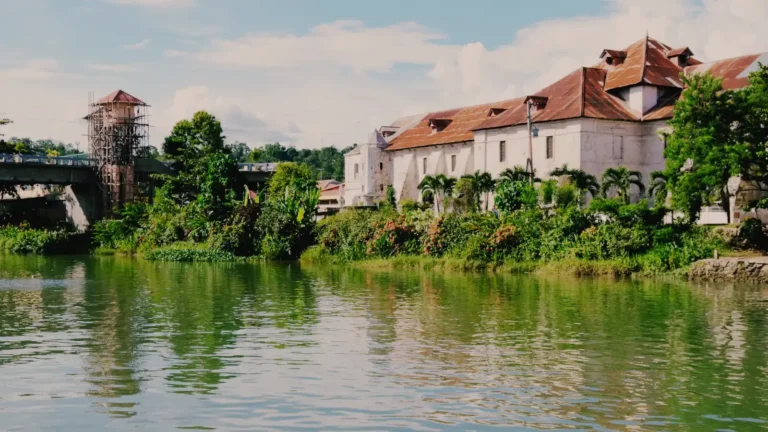
From there, a classic first-day loop heads west through Baclayon — where Baclayon Church, built from coral stone in 1595, stands as one of the oldest in the Philippines — then upriver for a Loboc River cruise, floating through a canopy of narra and mahogany while lunch is served on deck. Head north toward Carmen for the Chocolate Hills, or south to the coast for Balicasag Island snorkeling among sea turtles and reef fish at a 25-hectare marine sanctuary just 6.5 km off Panglao.
Adventure seekers should carve out half a day for Danao Adventure Park, perched at 650 metres above sea level with a canyon zipline, a hanging bridge, and a freefall jump called The Plunge. History lovers will enjoy Hinagdanan Cave near Dauis — a cathedral-like limestone cavern with an underground freshwater pool.
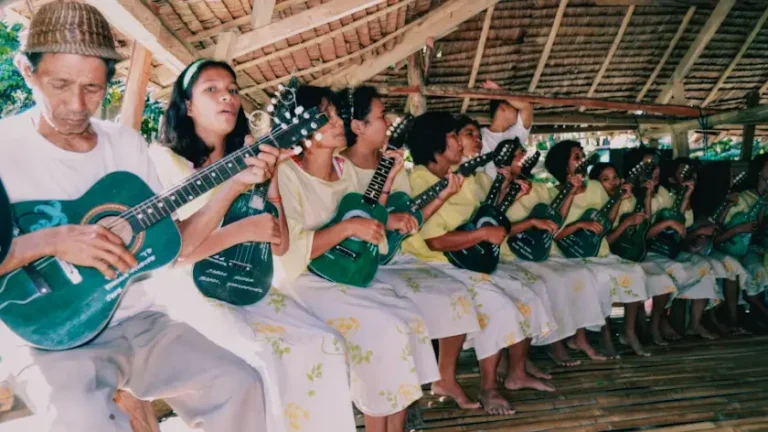
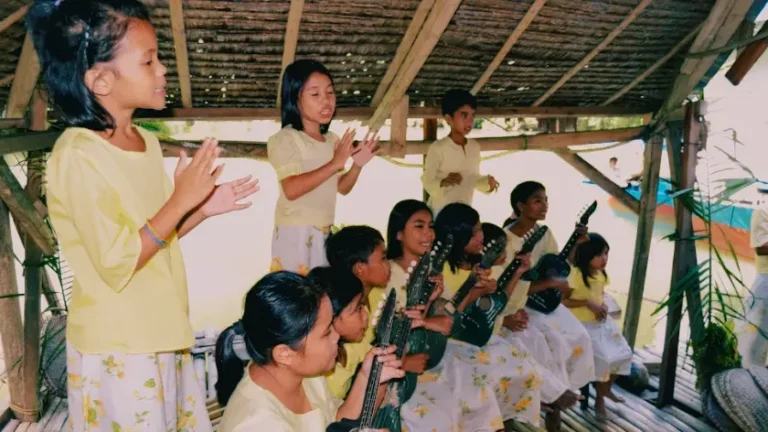
“The Loboc River cruise was the highlight of our whole Philippines trip — the food, the scenery, and the live musicians on board made it something we still talk about a year later.” – Maria K., Singapore ⭐⭐⭐⭐⭐
📅 Events & What’s On
Things to Do in Bohol & Cebu – Festivals, Celebrations & Seasonal Highlights
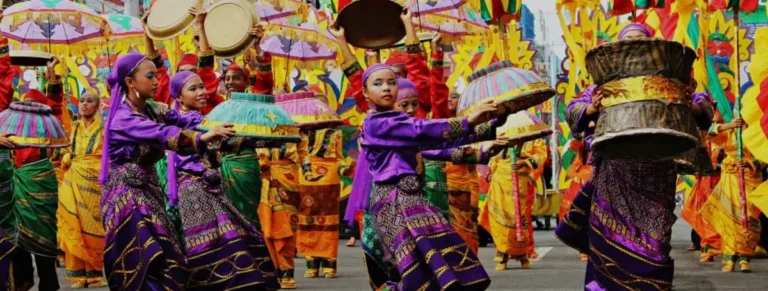
Time your visit perfectly with our complete events calendar. From Sinulog Festival to Sandugo celebrations, discover the cultural heartbeat of these magical islands.
Explore Cebu
Cebu is Bohol’s nearest neighbour and the main international gateway for this part of the Philippines — 4,943 km² of island province with direct flights from Manila, Hong Kong, Singapore, and Kuala Lumpur. For most international visitors, the journey to Bohol runs through Cebu, which makes combining both islands the most natural and cost-efficient itinerary.

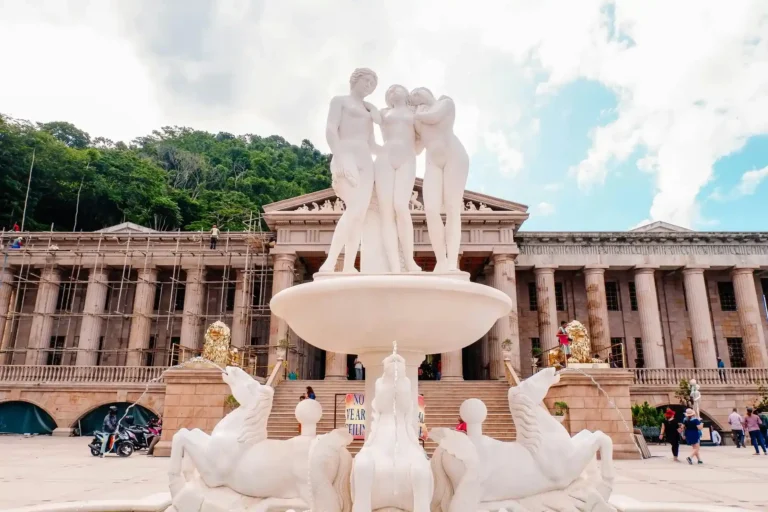
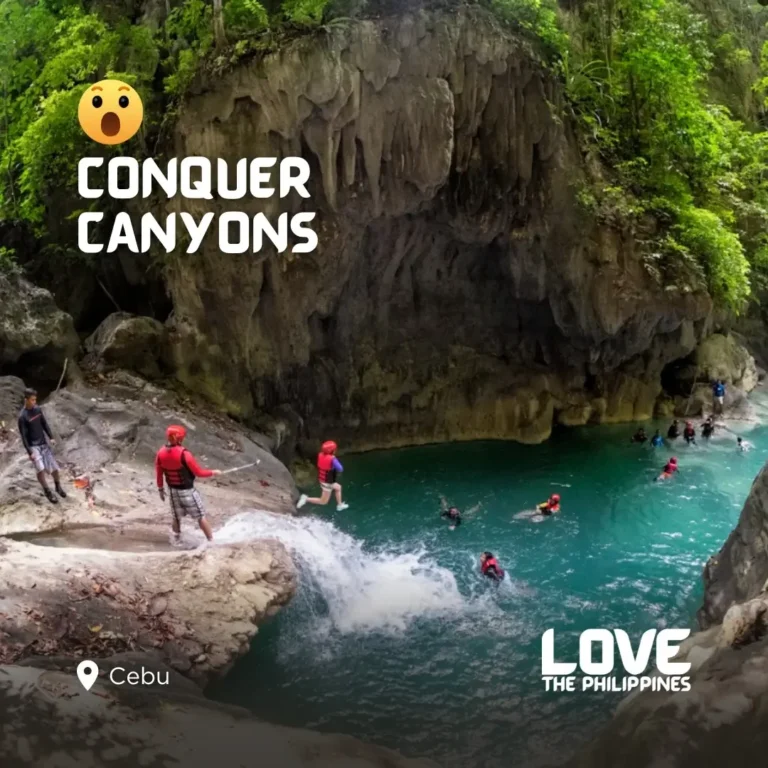
Most arrivals land at Mactan Cebu International Airport on Mactan Island — a stretch of coast lined with luxury beach resorts and dive centres. From there, Cebu City’s Pier 1 is about 30 minutes by taxi, and the fast craft to Bohol departs throughout the day. Our complete Cebu travel guide covers the full picture — heritage walks in Cebu City’s downtown, whale shark encounters in Oslob, the canyoneering pools of Kawasan Falls in Moalboal, and raw adventure at Danasan Eco Adventure Park in the north.
🌟 Tours & Adventures
Best Bohol & Cebu Tours – Book Island Adventures & Cultural Experiences
Discover hand-picked tours from Chocolate Hills adventures to whale shark encounters. Private guides, group experiences, and multi-day packages with instant booking and local expert insights.
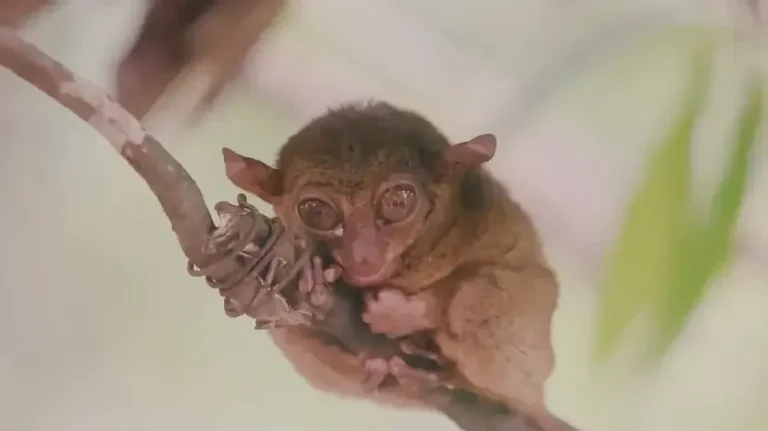
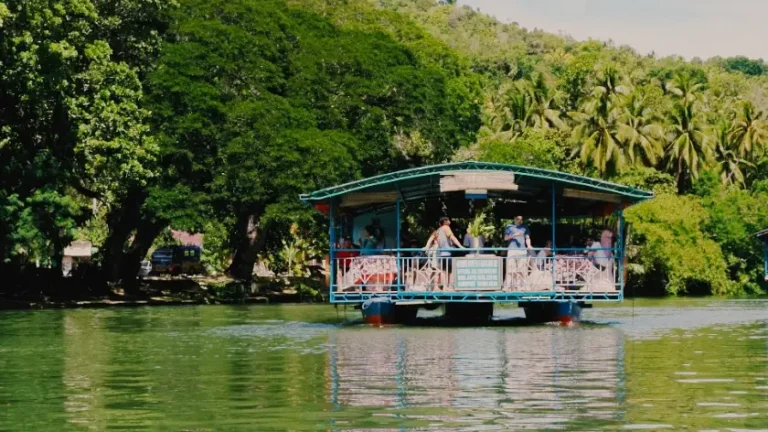
Bohol and Cebu are two of the easiest places in the Philippines to organise a well-structured tour itinerary. Our full breakdown of all Bohol tours is the best starting point if you are still deciding what to do and how to fit it into your schedule.
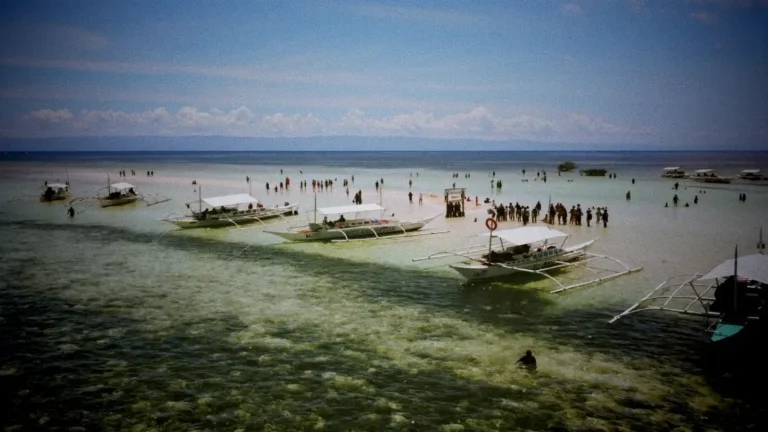
The most popular first-day itinerary is the countryside loop — Chocolate Hills, Loboc River, Baclayon Church, and the tarsier sanctuary all in a single day. Before you book, read our guide on how to book a Bohol countryside tour — it covers pricing, what to expect, and how to choose between private and shared formats. For water-based days, Bohol island hopping takes you to Balicasag, Pamilacan Island, and Virgin Island in a single banca trip — one of the best-value days in the entire Philippines.
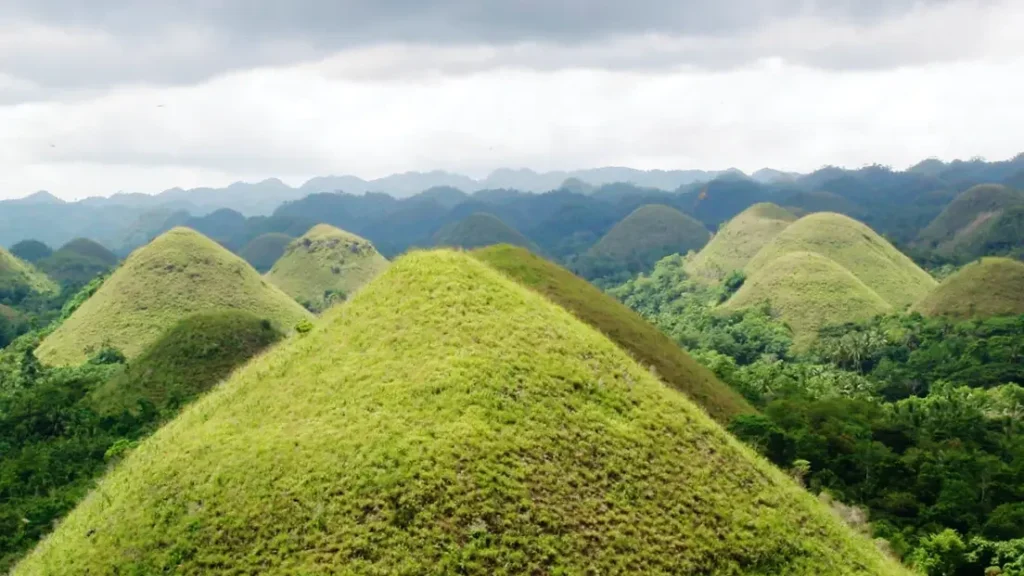
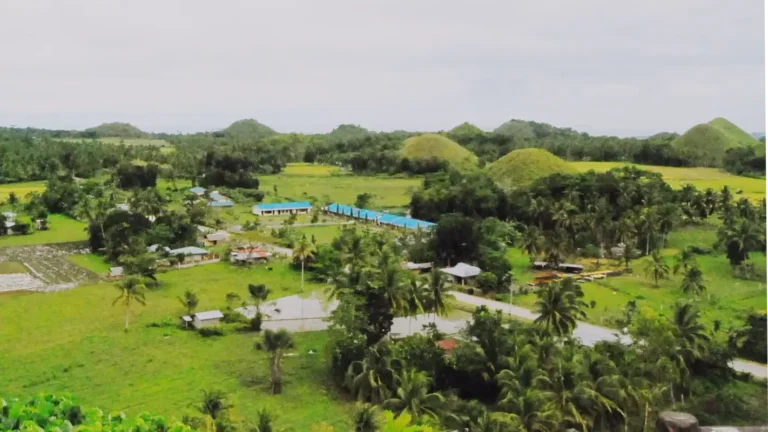
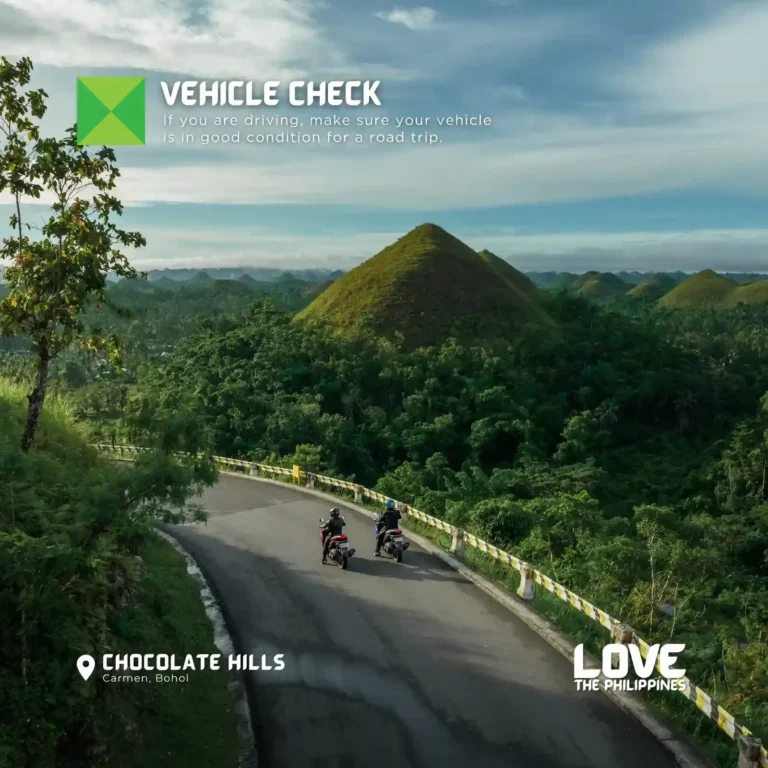
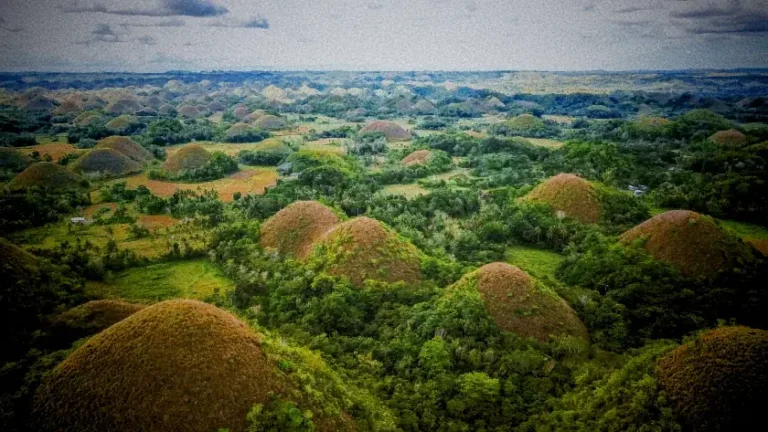
The Chocolate Hills are Bohol’s most photographed landmark — 1,268 conical mounds spreading across 50 km² of Carmen. Our guide to Chocolate Hills tour options walks through every format: private vehicle, shared tour, and the DIY motorbike route for independent travellers. Short on time? Our picks for best tours for first-time visitors condense the must-sees into a sensible two-to-three-day sequence.
For combined Cebu and Bohol itineraries, our roundup of 15 Bohol & Cebu adventures maps the best of both islands in one guide — from whale sharks to firefly watching. The detailed Loboc River cruise guide tells you exactly what the floating restaurant experience is like before you step on board.
“We did the countryside loop on day one and island hopping on day two — both were perfectly organised and incredible value for money. Already planning to come back.” – James T., Melbourne ⭐⭐⭐⭐⭐
Want to lock in your itinerary before you arrive? Browse all Bohol tours or jump straight to booking the countryside loop.
🏨 Hotels & Accommodations
Best Bohol & Cebu Hotels – Beachfront Resorts to Budget Stays
Find your perfect island base from luxury Panglao beach resorts to cozy Cebu City boutiques. Expert reviews, insider tips, and exclusive deals for every budget and travel style.

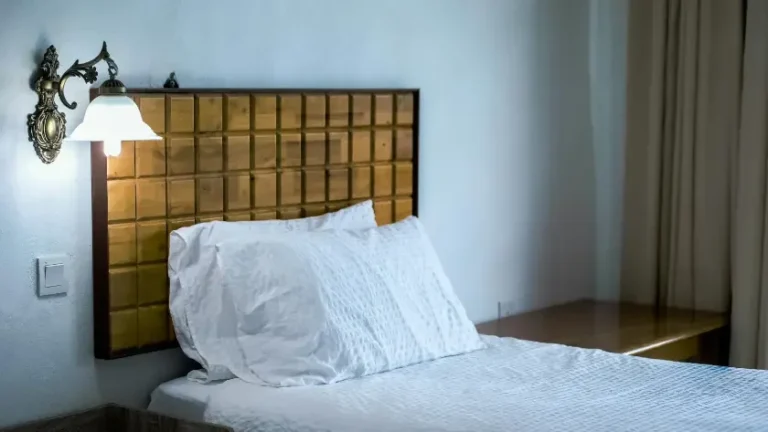
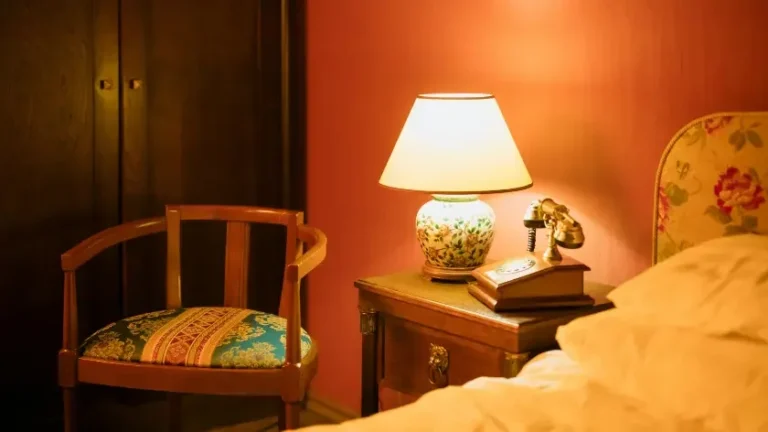
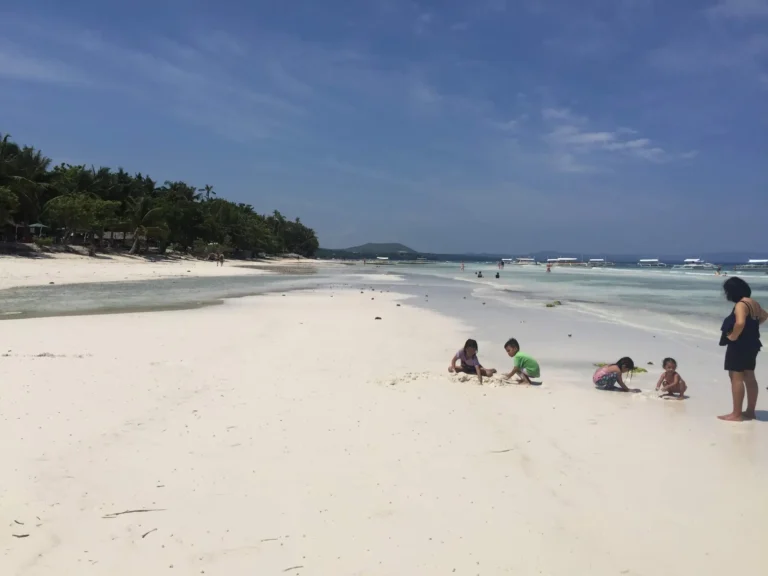
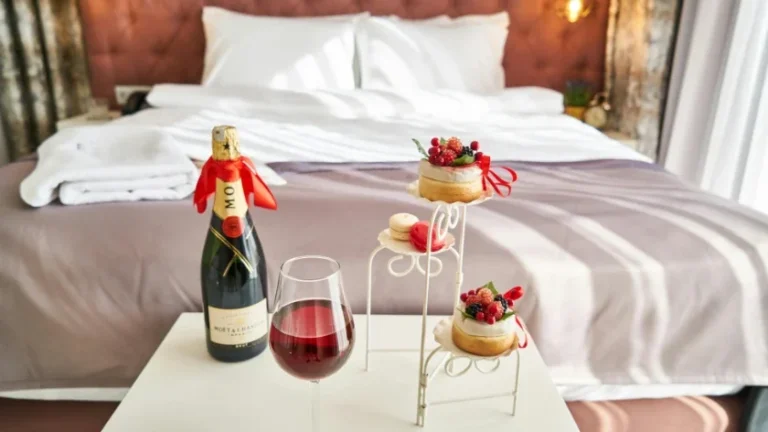
Accommodation in Bohol ranges from ₱400-a-night fan rooms in Alona Beach to full-villa resorts on Panglao’s quieter coasts. Our guide to all Bohol hotels covers the full spectrum with honest notes on location and value. For beach stays, the curated list of best Alona Beach hotels covers everything from backpacker guesthouses to comfortable mid-range properties within walking distance of the dive shops.
If your main goal is waking up with views of those iconic mounds, the guide to hotels near Chocolate Hills in Carmen covers hilltop lodges and countryside homestays. For a broader beach holiday, Bohol beach resorts rounds up the island’s best coastal properties beyond Alona. Travelling with children? Family resorts in Bohol focuses on pools, shallow beach access, and kids’ clubs. At the other end, luxury Bohol resorts covers the villas, overwater options, and spa properties for travellers who want to splurge. Watching every peso? The budget hotels in Bohol guide finds solid value across Panglao, Tagbilaran, and the countryside municipalities.
“Woke up to the clearest blue water right outside our room. Panglao completely exceeded our expectations — we are already planning to come back next year.” – Sofia R., Manila ⭐⭐⭐⭐⭐
Getting to Bohol by Ferry and Flight
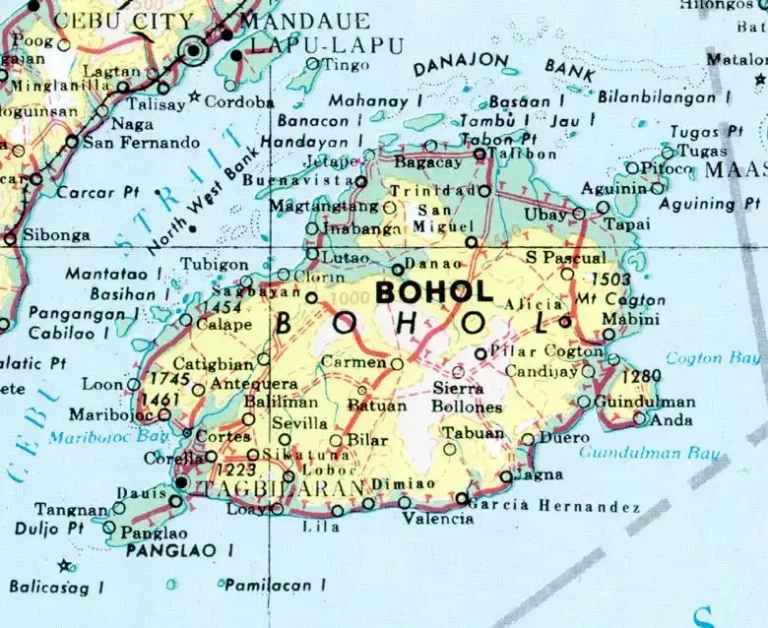
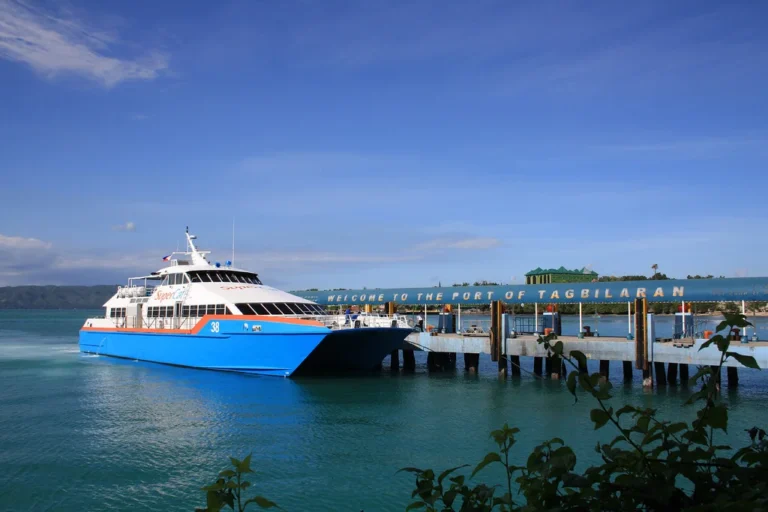
Reaching Bohol is simpler than many visitors expect. The most popular route is the fast craft ferry from Cebu City’s Pier 1, which takes approximately two hours and covers 72 km of the Bohol Sea. Multiple operators run the route daily — from early morning through early evening — and tickets are easy to book online. Our guide to how to get to Bohol by ferry walks through every operator, every departure time, and how to book in advance during peak season when boats sell out days ahead.
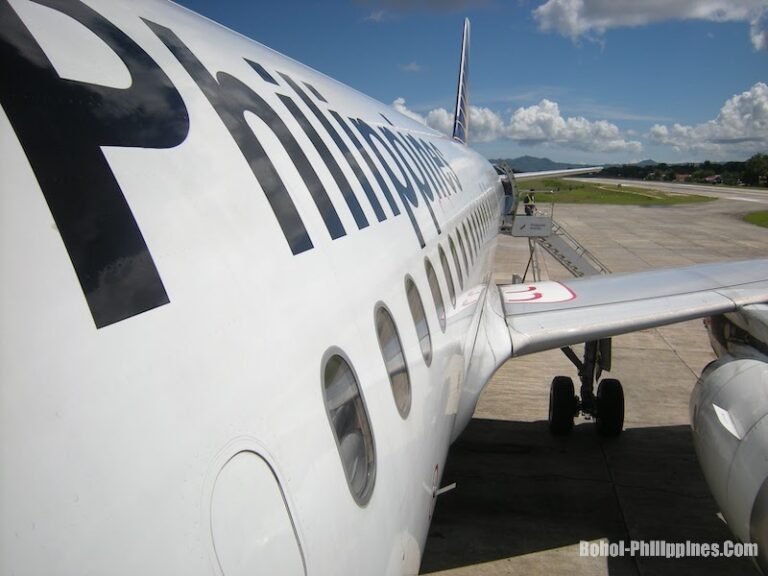
For travellers arriving by air, Tagbilaran Airport receives direct flights from Manila and Cebu, and the drive to Panglao takes under 30 minutes. If you need the broader picture — private transfers, shared vans, tricycles, and getting between Bohol’s municipalities without a tour — our transport hub covers every leg of the journey. Getting around Bohol independently is very doable: a rented motorbike is the most flexible option for countryside exploring, and habal-habal (motorbike taxis) fill the gaps everywhere else.
💡 Travel Tips & Guides
Essential Bohol & Cebu Travel Tips – Insider Secrets & Local Knowledge
Travel like a local with weather insights, cultural etiquette, money-saving strategies, and hidden gems. Practical advice from Filipino travel experts.
A smooth Bohol trip comes down to a handful of practical decisions made before you land. Our travel essentials hub collects the most useful pre-departure information in one place — from SIM card options and currency exchange to packing lists for a mixed beach-and-inland itinerary.
Quick essentials before you go:
- Ferry tickets — Book online in advance if travelling December–April. Boats sell out during Holy Week, sometimes days ahead.
- SIM card — Pick up a Globe or Smart prepaid SIM at the airport. Cheap data, good coverage across Bohol and Cebu.
- Travel insurance — Get a policy that covers water activities and island hopping. Our Philippines travel insurance guide explains exactly what to look for.
- Apps — Grab (ride-hailing), Google Maps offline, and a currency converter. Full list at best Philippines travel apps.
- Cash — Panglao has ATMs, but stock up in Tagbilaran before heading to countryside destinations or ferry terminals.
- Reef-safe sunscreen — Required at marine sanctuaries like Balicasag Island. Regular sunscreen is prohibited.
Frequently Asked Questions — Bohol & Cebu
When is the best time to visit Bohol?
The dry season (amihan) runs from November through April — those months give you the clearest skies, calmest seas, and the best conditions for diving and island hopping around Panglao. December to April is peak tourist season, with Holy Week in March or April being the absolute busiest period. If you want lighter crowds and lower rates without sacrificing good weather, late October to November is a sweet spot that locals love.
When is the cheapest time to visit Bohol?
May through October is the wet season (habagat), and it brings noticeably lower rates for hotels and tours across the island. Showers are usually short and sharp — mornings are often clear, and most inland attractions stay fully accessible. Diving visibility drops slightly, and some smaller island-hopping boats pause during rough swells, but the tradeoff for budget-conscious travellers is real. If you don’t mind a midday shower here and there, the island feels quieter, more local, and considerably easier on the wallet.
How many days do I need in Bohol?
Three full days is the bare minimum — enough for the Chocolate Hills, a Loboc River cruise, Baclayon Church, and one full day on the water near Panglao. Five to seven days is far more comfortable: it lets you add Balicasag Island diving, the tarsier sanctuary in Corella, a quieter eastern beach, and time to simply sit and watch the sea. Most first-time visitors say three days felt rushed and they wished they had stayed longer.
How do I get from Cebu to Bohol?
The fastest and most common route is the fast craft ferry from Cebu City’s Pier 1 to Tagbilaran — roughly two hours across 72 km of the Bohol Sea. Several operators run daily departures from early morning through early evening. During peak months, boats sell out days in advance, so book online before you travel. Our Cebu to Bohol ferry guide covers every operator, schedule, and booking tip in full.
What is the best base for exploring Bohol?
Panglao Island is the most popular choice — beaches, dive centres, and island hopping tours all within reach, just 30 minutes from Tagbilaran’s ferry terminal. Tagbilaran City is a practical first-night base if you are arriving late or catching an early departure. If you want fewer crowds, Anda on Bohol’s east coast is a quiet alternative — cave pools, white sand, and almost no package tourists. Most first-time visitors base themselves on Panglao and don’t regret it.
What is Bohol Philippines most famous for?
The Chocolate Hills — 1,268 conical limestone mounds spread across 50 km² in Carmen municipality — are Bohol’s most photographed landmark and one of the Philippines’ National Geological Monuments. The Philippine tarsier, one of the world’s smallest primates, is a close second. Bohol is also known for its 16th-century coral-stone heritage churches, the white-sand beaches and sea turtle dive sites around Panglao and Balicasag, and the floating lunch restaurants of the Loboc River.
How much does a trip to Bohol cost per day?
Budget travellers can move comfortably through Bohol for around ₱1,500 to ₱2,500 a day — fan room, local meals, and a tricycle or two. Mid-range couples typically spend ₱5,000 to ₱10,000 including accommodation and at least one guided tour. At the top end, Panglao’s luxury resorts rival Maldivian properties at a fraction of the price. There is genuinely a version of this trip for almost every wallet, and our Bohol hotels guide breaks down the full range from ₱400 guesthouses to full-villa resorts.
Do I need to book Bohol tours in advance?
For most of the year, you can arrange tours on arrival — tour desks at guesthouses and operators along Alona Beach make same-day or next-day bookings easy. During peak months (December–April) and Holy Week, the Chocolate Hills countryside loop and Balicasag island hopping fill up fast. Private tours sell out faster than shared ones. Our guide to booking a Bohol countryside tour walks through pricing, operators, and format options.
Is Bohol good for families?
Very. The Bohol countryside tour is engaging for children and adults alike, the tarsier sanctuary in Corella is a genuine highlight for young travellers, and most Panglao resorts have shallow pools and calm beach access that works well for kids from November through May. The island is compact — no long drives between attractions — and locals are genuinely warm toward families travelling with children. Our family resorts in Bohol guide focuses specifically on pools, beach access, and kids’ facilities.
Can I visit both Bohol and Cebu in one trip?
Absolutely — most international visitors do exactly this. A popular itinerary is two to three days in Cebu (Mactan beach, Cebu City heritage sites, whale sharks in Oslob) followed by three to five days in Bohol, with the two-hour fast craft ferry linking the two islands. Return flights from Tagbilaran to Cebu are also available if you prefer not to backtrack by sea. The two destinations complement each other well: Cebu skews urban, fast-paced, and adventure-heavy; Bohol skews cultural, natural, and unhurried.
Start Planning Your Bohol Philippines Adventure
Bohol Philippines is one of those rare destinations where every type of traveller finds exactly what they came for. Divers find world-class reefs at Balicasag Island. Culture seekers find 400-year-old coral-stone churches and 1,268 conical hills unlike anything else in Asia. Families find calm beaches, friendly resorts, and a countryside tour that works for every age. And anyone who simply wants to slow down and breathe finds a pace of life that is hard to replicate anywhere in Southeast Asia.
You don’t need to plan every day to the minute. Start with the Bohol travel guide and let the island tell you what to do next. When you are ready to book, our Cebu to Bohol ferry guide and tour booking guides are your two most important first stops.
Support our site by booking through our trusted affiliate partners. These links help us keep our content free while ensuring you get the best travel deals!
Bohol enchants with its geological wonders, adorable tarsier sanctuaries, and peaceful countryside dotted with Spanish colonial churches. It’s the perfect escape for nature lovers, culture enthusiasts, and anyone seeking authentic Filipino hospitality at a relaxed pace. | Read Bohol travel guide | How to Go to Bohol By Ferry
Connected by scenic 2-hour ferry rides across the azure Bohol Sea, these islands offer seamless island-hopping opportunities that maximize your Bohol Philippines adventure.
With over 500 tours, 200+ accommodations, and insider knowledge from local experts, we’ve created the most comprehensive resource for planning your perfect Bohol & Cebu escape.
From budget backpacker hostels to luxury beachfront resorts, from half-day cultural tours to multi-day island adventures – we’ll help you craft memories that last a lifetime while supporting local communities through responsible tourism.
“It’s like stepping into paradise – without the crowds of Palawan or the party noise of Boracay.” – Travel Blogger from Australia
Ready to make your island dreams reality? Book with confidence through our verified local partners and unlock exclusive experiences that create lifelong memories.
Exclusive 7-Day Cebu & Bohol Private Discovery
Experience luxury island exploration! Book your 7-day private Cebu-Bohol discovery now for exclusive access and personalized twin-island adventures!
⭐ “4.9/5 stars from 2,847 travelers”
🏆 “Recommended by Lonely Planet & Travel + Leisure”
🛡️ “100% satisfaction guarantee on all bookings”
Cebu Travel Guide
“Want to extend your adventure? Discover Cebu’s vibrant culture, beautiful beaches, and exciting activities just a ferry ride away from Bohol.”
“Cebu is the gateway to your next adventure. Explore top Cebu destinations like Kawasan Falls, Moalboal, and more with our curated travel guides and tours.”