
Things to Do in Bohol and Cebu: Monthly Guides & Seasonal Planning Hub
Every month brings magic to Bohol and Cebu, from world-famous street dancing festivals to intimate community celebrations that showcase authentic Filipino culture. With over 2 million visitors annually drawn to these islands’ rich calendar of events, timing your visit right can mean the difference between experiencing a once-in-a-lifetime cultural immersion or fighting crowds for a glimpse of the action.
Two travellers book a trip to Cebu within the same week. One lands on the third Sunday of January, when more than two million people fill the streets of Cebu City for Sinulog — one of Asia’s largest and most electric street festivals. The city dances for days. The drums don’t stop. The atmosphere is unlike anything else in Southeast Asia. The other traveller misses it by three days. They see the cleanup crews and wonder what the fuss was about.
That three-day difference can define an entire trip.
Timing is the single most underrated decision you make when planning a Philippines holiday. Get it right and you walk into perfect weather, full beaches, and festivals in full swing. Get it wrong and you might catch peak typhoon week, or arrive just as every hotel doubles its price for Holy Week and sells out. Know how to get to Bohol by ferry before you book — ferry availability shifts significantly with season.
This guide exists so you land on the right week.
Bohol and Cebu are just 72 kilometres apart by ferry — roughly two hours across the Bohol Strait — but they operate on surprisingly different seasonal rhythms. Bohol’s geography gives it a degree of shelter from storm systems that Cebu doesn’t always enjoy. Both islands have their own festival calendars, diving windows, and booking blackout periods. A January trip built around Alona Beach diving calls for completely different planning than a July trip timed for Sandugo. The 24 monthly guides below — twelve for Bohol, twelve for Cebu — are the most specific seasonal planning resource on this site. Each one covers weather expectations, local events, what’s open, and practical advice for that exact month.
Pick your month. Read the guide. Book early.
Want to pack in the best of Bohol in one day? This full-day highlights tour on GetYourGuide covers sardines, Chocolate Hills, tarsiers, ATV, and a floating restaurant lunch.
Book a full-day Bohol highlights tour on GetYourGuide |


When to Visit — The Seasonal Overview
Bohol and Cebu share the Philippine two-season system: amihan (ah-MEE-han) and habagat (ha-BA-gat). Understanding these two seasons is the starting point for every smart trip to the Visayas.
Amihan is the dry northeast monsoon season, running from November through April. This is when cool trade winds sweep across the islands, seas calm down, and diving visibility peaks. PAGASA data identifies January and February as the driest months — typically under 30mm of rainfall for the entire month. The peak tourist window runs December through April, with Holy Week in March or April being the single busiest and most expensive period of the year. Accommodation for Holy Week books out months in advance, so treat it as an urgent task the moment you confirm your flights.
The shoulder months — November and May — offer a genuine sweet spot. November brings dry season conditions before the Christmas crowds arrive. May gives you warm seas and lower prices in the final weeks before the monsoon kicks in. Both months reward travellers willing to step slightly off the peak-season calendar.
Habagat runs from May through October. June to August is the core wet season, with July and August typically bringing the most consistent rain. But experienced travellers increasingly plan around these months rather than avoiding them. Accommodation rates drop by 30 to 50 percent compared to peak season. The Chocolate Hills turn their deepest green. The Loboc River runs full. Waterfalls in eastern Bohol cascade at their most dramatic. September and October are the transition months — improving weather, lush landscapes, and lower rates. Many travellers who’ve been to Bohol in both seasons will quietly admit they prefer the wet one.
Not sure where to start? Browse the full Bohol activity catalog on Klook — filter by interest, budget, and travel date to find your perfect experience.
Browse all Bohol activities on Klook
Festivals & Events Worth Planning Around
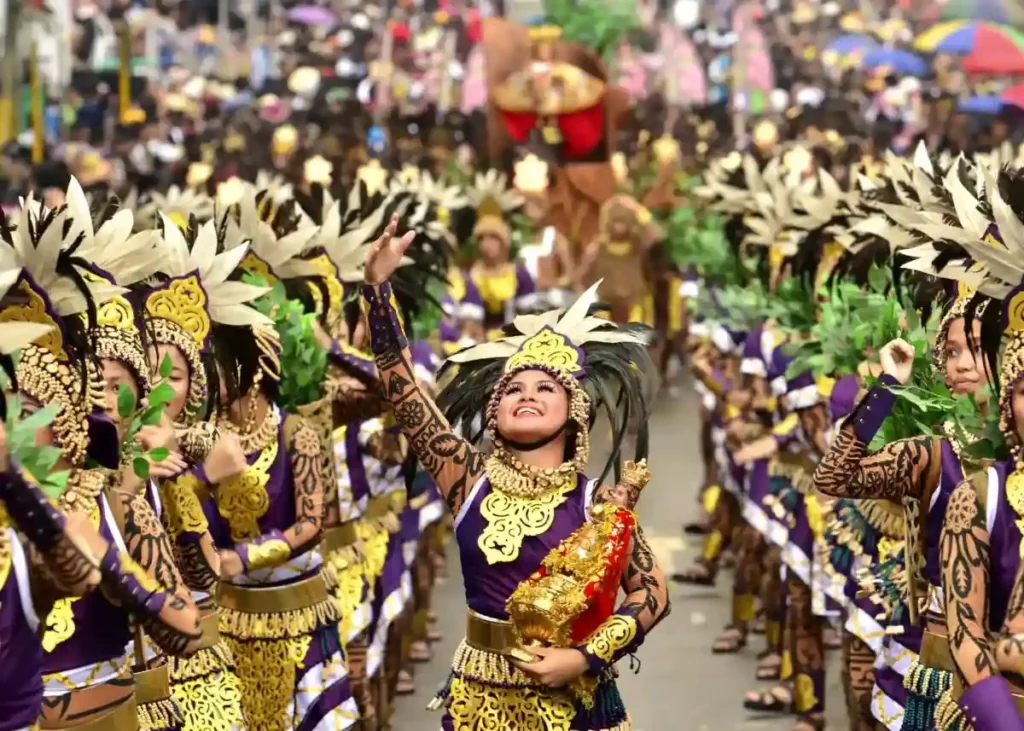
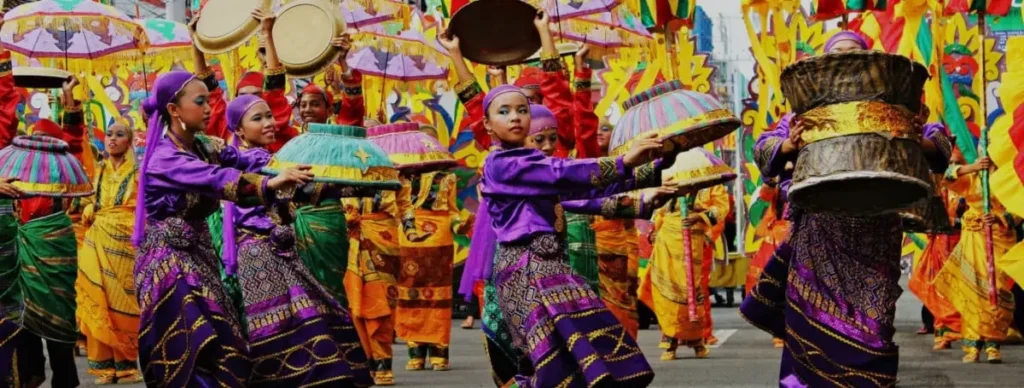
If one event should drive your travel dates, it is Sinulog. Held every year on the third Sunday of January in Cebu City, Sinulog draws more than two million visitors for a grand street parade, religious processions, and a city-wide celebration that runs for days. Hotels within Cebu City sell out months in advance. Things to Do in Cebu in January has everything you need to plan around it. Travellers who time their trip right — arriving a day or two before the main parade — tend to describe it as one of the best experiences of their lives.
For Bohol, the equivalent is Sandugo (san-DOO-go), held every July in Tagbilaran City. The festival commemorates the blood compact of 1565 between Spanish explorer Miguel López de Legazpi and the Bohol chieftain Datu Sikatuna — the first recorded treaty between a European power and a Filipino leader. The streets fill with street dancing, cultural performances, and genuine island pride. Accommodation in Tagbilaran fills quickly; Things to Do in Bohol in July has the full booking advice and event calendar.
Holy Week in March or April is the most consequential booking event on the Philippine calendar. Ferries, resorts, and guesthouses fill weeks ahead of Easter Sunday. The Tagbilaran City ferry terminal sees some of its heaviest traffic of the year during this period, and the usually calm beaches of Panglao Island buzz with Filipino families on summer break.
Flores de Mayo brings a quieter but deeply moving celebration to Bohol’s municipalities every May — flower offerings, street processions, and barangay-level festivities that most visitors stumble into rather than plan for. And at the end of October into November, Undas sees Filipino families travel home for All Saints’ Day, making tourist areas noticeably quieter — a feature, not a bug, if you prefer uncrowded beaches.
At any time of year, the golden hour light along Bohol’s western coast is among the most spectacular in the Visayas. The best places for sunset photos guide has the exact spots worth planning around.
Bohol Monthly Guides — Plan Your Visit Month by Month
Bohol rewards travellers who come prepared. Each of the twelve monthly guides below tells you exactly what to expect when you arrive — not just weather averages, but the specific events, diving conditions, and practical tips that shape your experience on the ground. The guides are especially useful if you’re choosing between neighbouring months, or if your window falls in the wet season and you want an honest picture of what you’re walking into.
Things to Do in Bohol in January opens the peak-season calendar with ideal beach and diving conditions. Things to Do in Bohol in March covers peak adventure season. Things to Do in Bohol in September shows you how to make the late monsoon work in your favour. For a full picture of what’s bookable across all seasons, the Bohol tours hub is the companion page to have open alongside these guides.
Cebu Monthly Guides — From Sinulog to Sardine Runs
Cebu’s seasonal rhythm is distinct from Bohol’s. Cebu City itself runs year-round — its festivals, food scene, heritage, and nightlife don’t slow down significantly even during habagat. But the islands and destinations around Cebu have their own timing worth understanding before you book. Malapascua Island sees its best thresher shark dives at specific depths and seasons. Moalboal’s sardine run is most spectacular during certain months. Oslob’s whale sharks are accessible year-round, but sea conditions along the southern coast vary considerably by season.
Things to Do in Cebu in November marks the start of Cebu’s best diving window. Things to Do in Cebu in February delivers the year’s best diving conditions. Things to Do in Cebu in March is the tail end of peak season — great for beach activities before the rains arrive. Things to Do in Cebu in July explores the wet season options on the island, and Things to Do in Cebu in December offers a festive energy that rivals anywhere in Southeast Asia. Read the Cebu travel guide for a full overview, then pick the monthly guide that matches your dates.
What Travellers Are Saying
“We planned our whole trip around Sinulog first — flew into Cebu for the festival, then took the ferry to Bohol for a week of diving and countryside tours. It set the perfect rhythm for the whole trip.”
– Marco V., Milan ⭐⭐⭐⭐⭐
“Everyone told me September was rainy season and to avoid it. We had the beach at Anda almost entirely to ourselves every single morning. Hotel rates were half what they’d have been in April. I’ll never go at peak again.”
– Rachel K., Melbourne ⭐⭐⭐⭐⭐
“The July guide for Bohol warned us that Sandugo week fills up fast. We booked our Tagbilaran accommodation two months ahead and had no problems — friends who waited until three weeks out found nothing near the city.”
– David L., Singapore ⭐⭐⭐⭐⭐
Bohol and Cebu are exceptional destinations every single month of the year. But they genuinely reward travellers who plan with the calendar rather than against it. The difference between a trip that lands in perfect rhythm — with the right festival, the right weather window, and accommodation that doesn’t cost a small fortune — and one that misses by a week comes down to one thing: knowing your month.
Use the guides above to lock in your window. If you’re targeting Holy Week, Sinulog, or Sandugo, treat your accommodation search as urgent the moment your flights are confirmed. If you’re heading in the wet season, lean into it — Things to Do in Bohol in August will show you exactly how habagat works in your favour. Once your dates are set, the Bohol travel guide is your complete planning hub, and island hopping is the signature experience to build your itinerary around.
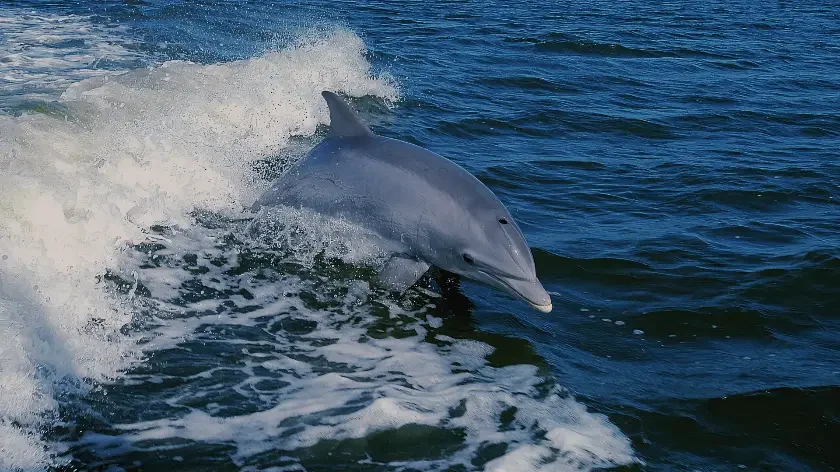
Island hopping is one of Bohol’s signature experiences — book your sea turtle and dolphin watching tour on GetYourGuide for a full-day ocean adventure. Book Bohol island hopping with dolphins on GetYourGuide
Frequently Asked Questions — Things to Do in Bohol & Cebu
What are the best things to do in Bohol?
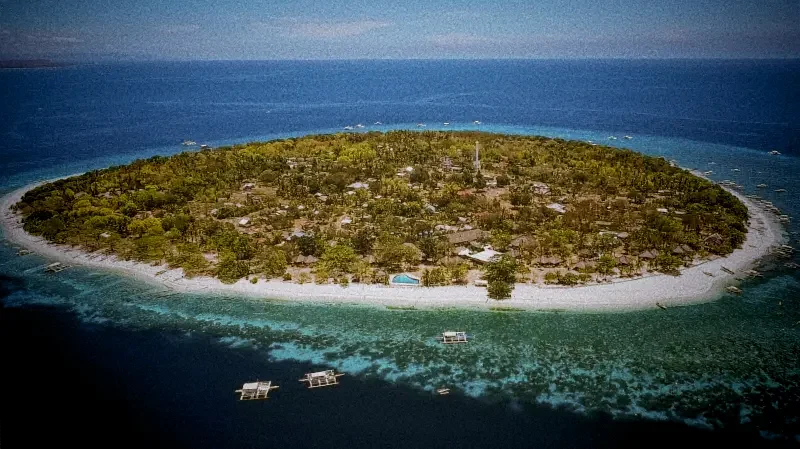
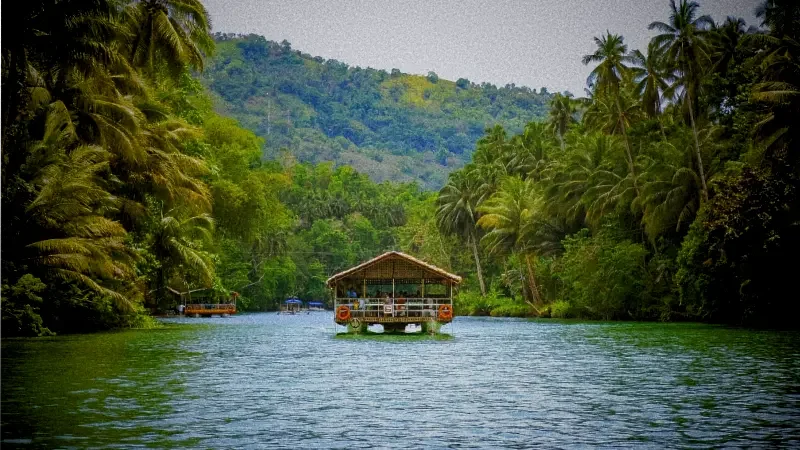
The Chocolate Hills, tarsier sanctuary, and Loboc River cruise are the island’s three iconic experiences, and a countryside day tour covers all three in a single day. Beyond the classics: snorkeling with sea turtles at Balicasag Island, heritage church visits in Baclayon and Dimiao, cave pools and white-sand beaches in eastern Bohol, and firefly watching on the Abatan River after dark. Bohol’s variety is genuinely unusual — very few Philippine islands pack this range into such a compact area.
How many days do I need in Bohol?
Three days is the minimum to cover the main highlights without feeling rushed — one day for the countryside circuit, one for island hopping, and one free day for the beach or a slower explore of Panglao. Five to seven days is the sweet spot for a more complete experience, particularly if you want to reach the east coast, explore Tagbilaran’s heritage district, or spend real time diving around Balicasag. Travelers who stay longer than a week frequently discover they’ve barely scratched the surface.
Can I visit both Bohol and Cebu in one trip?
Yes — and it’s the most common itinerary in the Visayas. The fast ferry between Cebu City and Tagbilaran takes roughly two hours and runs multiple times daily, making the island-hop straightforward. A typical split for a seven- to ten-day trip gives you three to four days in Bohol and three to four in Cebu. Fly into Mactan-Cebu International Airport, do Cebu first, then ferry across to Bohol — or reverse it depending on your departure point.
What is the best month to visit Bohol?
November through April is the dry season and generally the most reliable time to visit — the seas are calm, diving visibility peaks, and outdoor activities are at their best. January and February are the driest months, making them ideal for island hopping. The wet season from June through October has a genuine upside: the Chocolate Hills turn vivid green, waterfalls in eastern Bohol cascade at their most dramatic, and prices and crowd levels drop considerably. Many experienced visitors prefer the wet season for exactly that reason.
What are the best activities in Bohol for families?
The tarsier sanctuary and Chocolate Hills viewpoint are family favorites — both are short, accessible, and memorable for children and adults alike. The Loboc River floating lunch cruise works well for families because there’s no physical activity pressure; you simply sit, eat, and enjoy the scenery while local musicians play. Danao Adventure Park offers age-appropriate ziplines and nature walks for more active families. Island hopping on calm days, with visibility for snorkeling, is also a highlight for families with older children.
What can I do in Bohol without booking a tour?
Quite a lot. Alona Beach is entirely walkable and self-guided — snorkeling gear is available for hire directly from dive shops on the sand, and banca boats to nearby reefs depart on request without pre-booking. Tagbilaran City is easy to explore independently, with Baclayon Church and the blood compact shrine both accessible by tricycle. Renting a motorbike opens up the countryside roads at your own pace. The Loboc River area has independent kayak rentals for travelers who prefer to explore without a guide.
What are the most off-the-beaten-path things to do in Bohol?
Eastern Bohol — particularly the Anda and Candijay area — is the island’s best-kept secret among repeat visitors. Beaches are uncrowded, cave pools and waterfalls dot the coastline, and the pace is entirely different from the resort-heavy western side. Maasin River in Clarin is a remarkable freshwater spring that almost no foreign tourists visit. The town of Jagna, known for kalamay production and its centuries-old Spanish church, is another stop worth building into a longer itinerary if time allows.
What Bohol festival is worth planning a trip around?
Sandugo Festival in July is Bohol’s biggest cultural event — held in Tagbilaran City to commemorate the 1565 blood compact between Spanish explorer Legazpi and Datu Sikatuna, it fills the streets with processions, street dancing, and genuine provincial pride. It’s worth planning your trip to coincide with. For Cebu, Sinulog in January is one of Asia’s largest street festivals and draws more than two million people to Cebu City for days of celebration — an event that genuinely shapes trip planning for both islands.
For more FAQ check out our Main FAQ Page.
Support our site by booking through our trusted affiliate partners. These links help us keep our content free while ensuring you get the best travel deals!