
Transportation
✈️ Smart Arrivals
Getting to Bohol — and Getting Around Once You Arrive
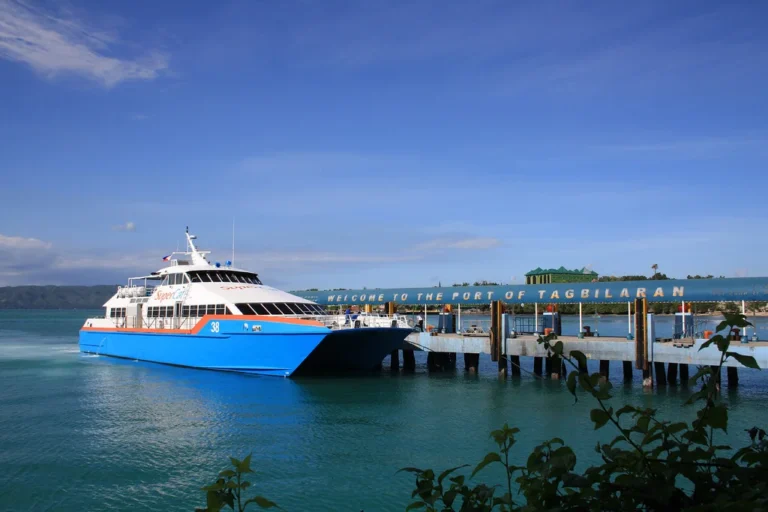
Most travelers reach Bohol the same way locals have for generations: by sea. The fast ferry from Cebu crosses roughly 72 kilometres of the Cebu Strait in about two hours, deposits you at Tagbilaran Port, and costs a fraction of what a flight would.
It is the cheapest, most flexible, and most common way to arrive — and on a clear morning, watching Bohol’s coastline come into focus from the bow of the boat is a pretty great start to any trip. Read the complete guide to getting to Bohol by ferry before you book.
For those who prefer to fly, Panglao Island International Airport (TAG) handles direct connections from Manila and a growing list of domestic hubs. Cebu Pacific is the main carrier, and landing on Panglao Island means you step off the plane just minutes from the beach. Fewer connections than Mactan, yes — but hard to beat for convenience if you are heading straight for Alona Beach or a Panglao resort.
Once you are on the island, how you move around matters almost as much as how you arrived. Bohol is bigger than most visitors expect — the province covers 4,821 km² — and its best spots are spread across the interior, the coastline, and the eastern side of the island. A tricycle (trik, a motorbike with a covered sidecar) will handle short hops around town. For bigger distances, most travelers book a hired car with driver for the day, rent a motorbike, or squeeze onto a habal-habal (motorcycle taxi) for inter-barangay routes.
This page covers all of it: how to get here, how to get around, and how to connect onward to other islands. For the full island planning picture, start with the Bohol Travel Guide.
The most popular way to reach Bohol is by fast ferry from Cebu — Book your Cebu to Bohol OceanJet ticket on 12Go and lock in your seat in advance.
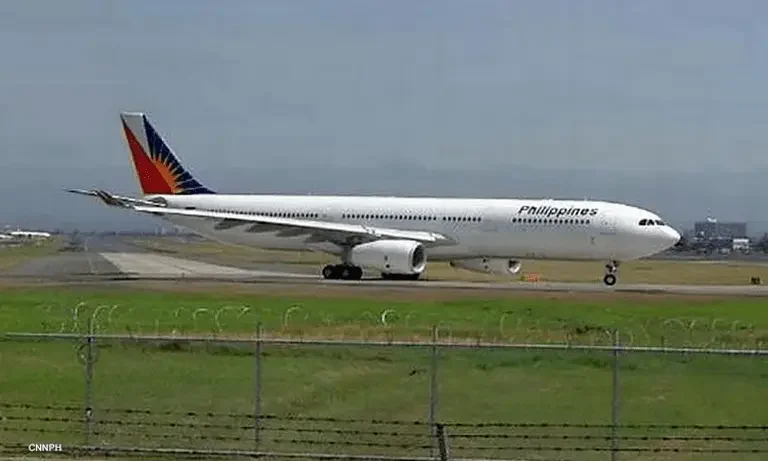
Getting to Bohol
Two routes bring you to Bohol: by sea or by air. The ferry from Cebu is the most popular — fast craft operators like OceanJet and Supercat make the crossing several times a day, with tickets starting from approximately ₱350.
If speed matters less than cost, RORO (roll-on, roll-off) vessels offer a slower, cheaper option. Both types depart from Cebu City’s Pier 1 area and arrive at Tagbilaran City Port, right in the city centre. Flying is faster but pricier — Cebu Pacific runs direct flights from Manila to Panglao Airport, with the runway landing you directly on the island rather than at the port. Either way, your Bohol trip starts the moment you buy that ticket. See the full Cebu to Bohol ferry guide for schedules, operators, and booking tips.
Flying into Bohol? Reserve your shared airport transfer from Panglao Airport on Klook — convenient, pre-arranged, and no haggling with touts.
Transport
Cebu Pacific Air: Budget Flights Between Cebu & Manila + International Routes
Skip the 22-hour ferry journey and fly between Cebu and Manila in just 1.5 hours with Cebu Pacific Air, the Philippines’ leading budget airline. Operating multiple daily flights on this popular domestic route, Cebu Pacific offers…
FastCat Ferry: Complete Guide to Cebu-Bohol & Philippines Island Travel
Introduction Hopping between the stunning islands of the Philippines requires reliable ferry connections, and FastCat Ferry has become the go-to choice for thousands of travelers. With 4.3-star ratings from 55+ customer reviews and modern vessels serving…
🚐 Getting Around Bohol in 2026: Transport Tips, Rides & Tours
Getting around Bohol is part of the adventure! Whether you’re heading to Chocolate Hills, chilling in Panglao, or joining a countryside tour, Bohol offers transport options for every style and budget. 👉 Top Tip: Book your…
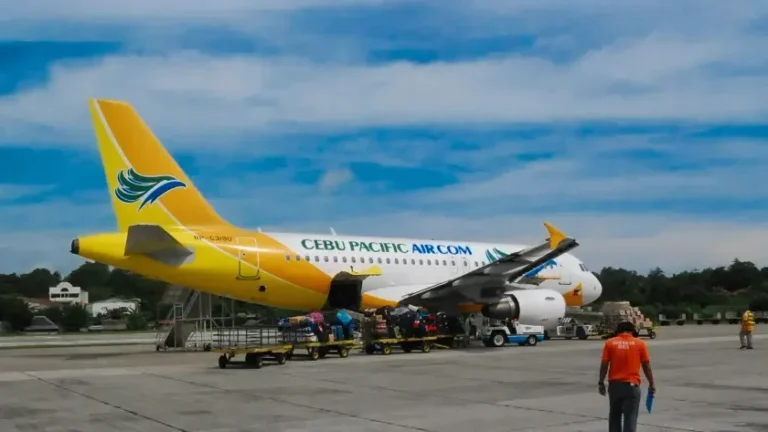
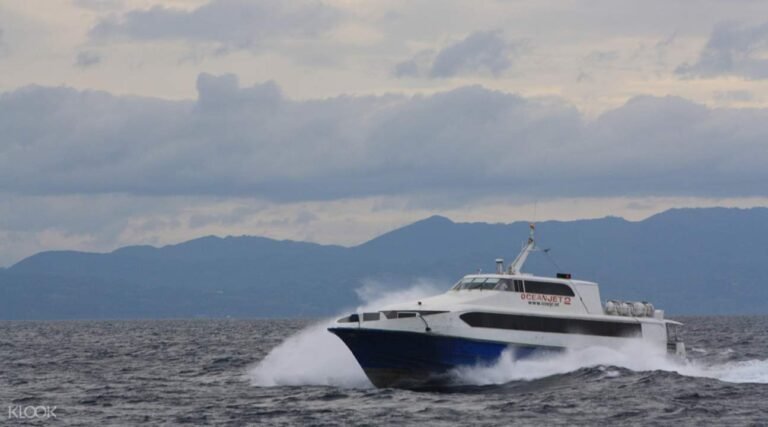

Getting Around Bohol
Getting around Bohol depends on where you are going and how adventurous you want to be. In Tagbilaran City and around the town centres, tricycles (motorbikes fitted with a covered sidecar) are everywhere and cheap — a short ride costs from approximately ₱15 to ₱30. For trips between barangays or into the countryside, habal-habal motorcycle taxis cover routes that regular vehicles skip. The most popular choice for day tours is a hired car or van with a driver — you get a fixed rate, local knowledge, and door-to-door comfort for visiting the Chocolate Hills, Loboc, and beyond. Motorbike rental is available for travellers who want full independence, though road conditions outside town can be rough. Read the full Getting Around Bohol Tips guide for fare estimates, habal-habal etiquette, and bike rental advice, or consult the Bohol and Cebu Transportation Guide for a cross-island comparison. For bus routes and schedules, the Bohol bus routes guide has every route mapped.
My Bohol Guide: Private Transfers & Airport Transport in Bohol
Navigating Bohol becomes effortless with My Bohol Guide’s private transfer services, offering door-to-door transport across the island’s most popular destinations. Whether you’re arriving at Panglao International Airport, departing from Tagbilaran Pier, or planning a scenic journey…
Ceres Cebu South Bus: Budget Ground Transport to Oslob & Southern Cebu
Introduction Explore Southern Cebu’s stunning attractions affordably with Ceres Cebu South, the primary bus operator connecting Cebu City to popular destinations like Oslob (whale shark encounters), Moalboal (diving paradise), and Kawasan Falls (canyoneering adventures). Operating air-conditioned…
Cebu Bus Routes: 2026 Transport Guide to Navigate Like a Local
Picture this: You’ve just landed at Mactan-Cebu International Airport, excited to explore the Queen City of the South, but suddenly realize you have no idea how to get around without paying tourist taxi prices. While a…

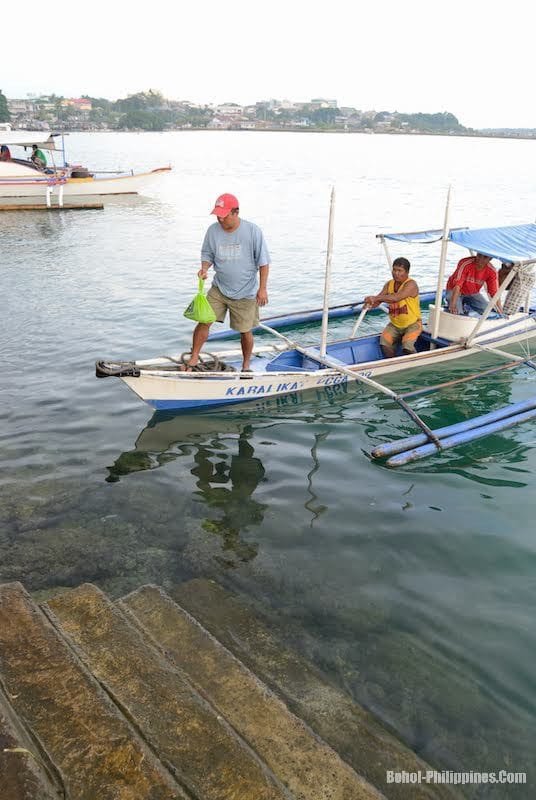

Bohol to Other Islands
Bohol sits at a useful crossroads in the Visayas. From Tagbilaran Port, you can catch ferries back to Cebu, or continue south to Dumaguete on Negros Island — a route popular with divers heading for Apo Island. There are also connections to Camiguin, the small volcanic island known for its hot springs and coral reefs, and to Siquijor, which many travellers tack on at the end of a Bohol trip. Schedules change seasonally, and some routes only run a few times a week — always confirm departure times directly with the operator or through the ferry schedules and operator guide or via 12Go before you plan your connections.
The Complete Bohol and Cebu Transportation Guide 2026: Every Way to Get There and Get Around
Navigate Bohol and Cebu like a pro with our comprehensive 2025 transportation guide. These two stunning Central Visayas destinations—Bohol’s 4,821 km² of mystical landscapes and Cebu’s diverse 4,943 km² island paradise—are more accessible than ever with…
8 Bohol Ferry Adventures: Ultimate Guide
8 Island-Hopping Services for 2026 Choosing the right Bohol ferry service can make or break your Philippines island-hopping adventure. With 8 major operators connecting Bohol’s 4,821 km² of tropical paradise to Cebu’s bustling ports, picking the…
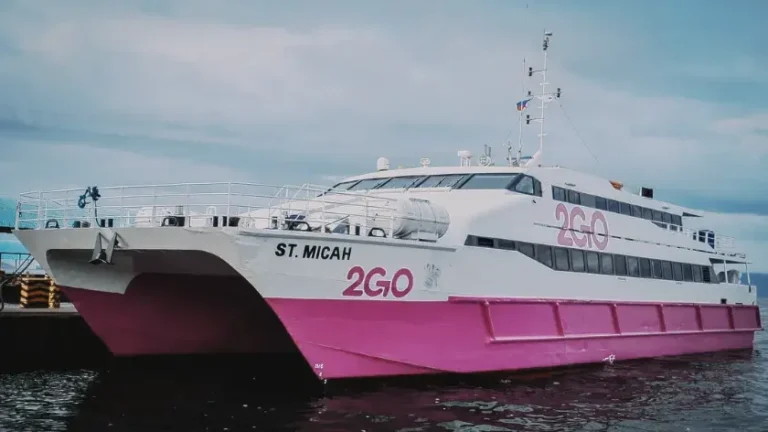
2GO Travel: Philippines’ Premier Overnight Ferry & Cruise Experience
Experience the Philippines like never before with 2GO Travel, the country’s largest and most comprehensive ferry operator offering cruise-ship amenities on overnight inter-island journeys. With a 4.1-star rating from 972+ verified reviews and 90.4% customer satisfaction,…

“We almost missed the ferry because we left ticket booking too late during Holy Week. After that trip we always book through 12Go at least two weeks ahead. Never again will we risk it.”
– Marco V., Manila ⭐⭐⭐⭐⭐
“Hiring a driver for the day was the best decision we made in Bohol. He knew every shortcut, took us to a local warung (simple eatery) nobody else was at, and waited for us at every stop without rushing. Totally worth it.”
– Claire H., Melbourne ⭐⭐⭐⭐⭐
“I was worried getting around Bohol would be complicated, but it was so easy. Tricycles for the small stuff, a car hire for the countryside tour — it all just worked. Honestly easier than Bangkok.”
– Priya S., Singapore ⭐⭐⭐⭐⭐

Frequently Asked Questions — Getting to and Around Bohol
How do I get to Bohol from Cebu?
The most popular and practical route is the fast ferry from Cebu City’s pier area to Tagbilaran Port. Operators OceanJet and Supercat make the crossing multiple times daily, with fares starting from approximately ₱350. You can book tickets in advance through 12Go or directly at the Cebu pier — pre-booking is strongly recommended during peak season. The ferry deposits you right at Tagbilaran’s city center, putting you within minutes of hotels and tour pickups.
Is it better to take the ferry or fly to Bohol?
For most travelers, the ferry is the better choice — it costs far less than a domestic flight, departs frequently throughout the day, and the crossing is pleasant on a clear morning. Flying makes sense if you’re coming directly from Manila, as Cebu Pacific runs direct flights to Panglao International Airport (TAG), which lands you on the island itself rather than at the port. If you’re already in Cebu City, there’s almost no reason to fly when the ferry is this convenient.
How long does the ferry from Cebu to Bohol take?
Fast craft ferries — OceanJet and Supercat — take approximately two hours for the crossing from Cebu City’s Pier 1 area to Tagbilaran Port. RORO (roll-on, roll-off) vessels take three to four hours but cost significantly less and can accommodate vehicles. Conditions on the water are generally calm from November through April; during habagat (the wet monsoon season), crossing times may extend slightly due to choppier seas. Ferry schedules are most reliable when booked at least a day in advance.
What is the best way to get around Bohol once I arrive?
For day trips and longer distances, a hired car or van with a local driver is the most practical option — you get one fixed rate, door-to-door comfort, and someone who knows the roads. Tricycles (motorbikes with a covered sidecar) handle short in-town hops for around ₱15 to ₱30. Habal-habal motorcycle taxis cover inter-barangay routes that standard vehicles can’t easily reach. Motorbike rental is a good budget option for experienced riders covering distances around Panglao or Tagbilaran.
Should I rent a car or hire a driver in Bohol?
Hiring a driver for the day is the more sensible choice for most visitors. Roads in Bohol’s interior can be narrow, poorly marked, and unfamiliar — a local driver adds real value navigating these, especially on the route to the Chocolate Hills and in eastern Bohol. Car rental is available if you’re a confident driver and want full independence, but day rates plus fuel often end up close to the cost of a hired driver anyway, without the local knowledge.
How much does a tricycle ride cost in Bohol?
Short trips within a town typically cost from ₱15 to ₱30 for a single passenger. Longer routes or chartered tricycles run higher — expect to pay ₱50 to ₱150 depending on distance. Always agree on a price before you board for any non-metered trip. In tourist-heavy areas like Alona Beach and Panglao, quoted prices tend to start higher for foreigners — polite negotiation is completely normal and expected.
How do I get from Panglao Airport to my hotel?
Grab (the Philippines’ equivalent of Uber) is available at Panglao Airport and is the easiest, most transparent option for most destinations on the island. Pre-booked shared airport transfers through Klook are a reliable alternative, especially if you’re arriving during peak season when transport can be in high demand outside arrivals. Tricycles and private vans are also available curbside, but agree on a fare before leaving the terminal. Most Panglao beach resorts are within 10 to 15 minutes of the airport.
Plan Your Transport, Then Relax
Getting to and around Bohol is straightforward once you know your options. Most people find the ferry from Cebu the easiest entry point — quick, scenic, and budget-friendly. Once on the island, a mix of tricycles for short trips and a hired driver for day tours covers almost every itinerary. The main thing that catches travellers off guard is peak-season demand: during Holy Week and the December holidays, ferry seats and car hire slots fill up fast. Book transport before you book your activities, not after. With that sorted, Bohol’s countryside, coastline, and all the tours and activities between are yours to explore. Head to Things to Do in Bohol for seasonal planning, or Panglao Island for where to base yourself on the beach.
For maximum flexibility around the island, book a Bohol car rental with driver on Klook — ideal for countryside day tours and multi-stop itineraries.
Support our site by booking through our trusted affiliate partners. These links help us keep our content free while ensuring you get the best travel deals!