
Loboc, Bohol — River Cruises, Firefly Watching & Eco-Travel Guide
Where Music Flows Like the River in Bohol
Welcome to Loboc, where the gentle Loboc River winds through the heart of central Bohol like a ribbon of pure magic. This is a destination that moves at a different pace—one measured in the rhythm of bamboo-raft engines, the glow of fireflies on quiet evenings, and the deep faith that pulses through centuries-old traditions.
Welcome to Loboc
Nestled in the central part of Bohol, Loboc is a municipality that feels less like a tourist destination and more like a community that has welcomed travelers into its home. The river is the lifeblood here—22 kilometers of gentle waters that have sustained fishing families for generations and now invite visitors to experience the island’s most intimate natural rhythm.
What makes Loboc special isn’t just the scenery (though it’s stunning). It’s the character of the place. Music is an integral part of the life of every Lobocanon, and their religiosity is part and parcel of their daily life. Thus both musicality and religiosity go hand in hand. The Loboc Band, formally established in 1871, carries on this tradition through generations of famous families—the Bilirans, the Salig Brothers, the Balbins, the Varquezes, and the Requirmes. You’ll see this spirit alive in the town’s celebrations and in the angelic voices of the Loboc Children’s Choir.
This is eco-tourism at its most authentic. No mega-resorts here. Instead, you’ll find eco-lodges tucked along the riverside, family-run guesthouses, and hospitality rooted in genuine warmth rather than corporate polish.
“The floating restaurant cruise was the most peaceful, memorable meal we’ve had in the Philippines. Fresh fish, river breeze, and a guide who genuinely cared about our experience.”
— Maria T., Manila ⭐⭐⭐⭐⭐
The Loboc River Experience
The Loboc River stretches 22 kilometers through rolling countryside, and its waters are remarkably clean and gentle—perfect for both serious paddlers and families seeking a peaceful float. The ecosystem here supports native fish species, freshwater crabs, and a rich canopy of riverside vegetation that creates an ever-changing backdrop of greens and browns depending on the season.
This river matters beyond tourism. It’s an essential water source for local agriculture, a nursery for traditional fishing, and a living classroom in biodiversity. When you cruise these waters, you’re not just sightseeing—you’re witnessing how communities have learned to live in balance with their environment.
The river is navigable year-round, though conditions shift seasonally. During the dry season (November–May), the water runs clear and calm, fireflies emerge reliably at dusk, and skies are typically cloud-free for evening tours. The wet season (habagat, June–October) brings lush green surroundings and occasional heavier rains. The river remains navigable even during rainy months, but firefly tours can be unpredictable due to cloud cover and downpours.
River Cruises and Floating Restaurants
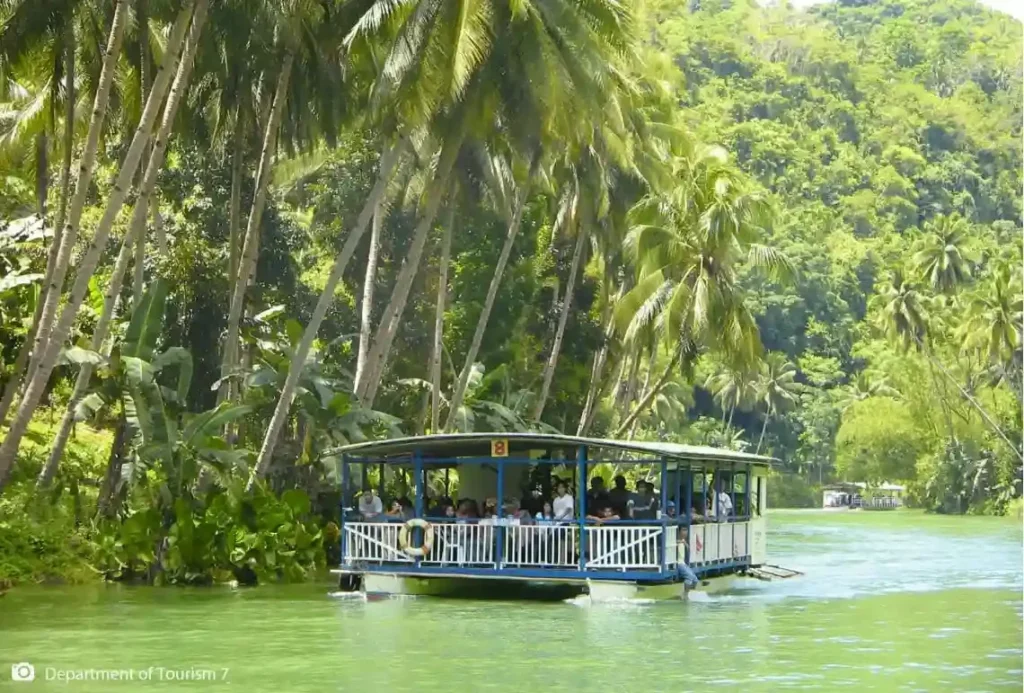
This is the signature Loboc experience, and for good reason. Imagine a wide, shallow-bottomed bamboo raft, outfitted with bench seating and a small kitchen galley, gliding silently through a corridor of trees and limestone cliffs. You’re not rushing. The engine hums at a walking pace, and the guide points out fishing villages, roosting birds, and the occasional crocodile (yes, they’re here, but they’re shy).
The typical cruise lasts 2–3 hours and includes a Filipino buffet lunch served right on the raft. You’ll find grilled tilapia (bangus), rice, vegetables, fresh fruit, and often local specialties. Costs range from approximately ₱500–700 per person for shared cruises, with private raft charters available at higher rates. This is authentic Filipino hospitality: simple, generous, and full of flavor.
See the Loboc River cruise guide for a detailed breakdown of operators, routes, and booking tips. For curated tour packages that combine the river cruise with other Bohol highlights, browse Bohol river cruise eco-tours.
Most operators in town can arrange bookings, but during peak season (December–February and summer vacation in April–May), book at least a day ahead. Tour operators generally pick up from your hotel or at the river docks. Afternoon cruises (typically 1–3pm) are popular for avoiding the midday heat, though morning cruises are less crowded if you prefer a quieter experience.
Bring cash—most operators accept only Philippine pesos. Wear sunscreen and a hat, and don’t wear your best clothes (the breeze carries mist, and you may splash while boarding the raft).
“Watching thousands of fireflies blink across the dark river felt like being inside a dream. Pure magic.”
— James K., Sydney ⭐⭐⭐⭐⭐
Firefly Watching on Loboc River
Here’s where Loboc becomes truly magical. As dusk deepens into evening (tours typically run 6pm–8pm), the riverbanks come alive with blinking bioluminescent fireflies—thousands of them, choreographed in patterns that seem almost intentional. They’re actually communicating with mates, but the effect is pure enchantment.
Firefly tours are best during the dry season (November–May), when according to PAGASA’s seasonal weather data, stable, low-humidity evenings create the conditions in which the fireflies are most reliably active. You’ll ride a smaller, quieter motorized boat (sometimes just a simple outrigger canoe with a guide) upstream to firefly hotspots. Most guides turn off engine lights to help your eyes adjust, and the darkness deepens the magic. A typical tour lasts 1.5–2 hours and costs ₱300–500 per person. For a private firefly experience, the evening firefly watching cruise offers a dedicated private booking option.
Photo tip: Fireflies are dim and fast-moving. A smartphone camera can capture the experience even if individual fireflies blur. Professional cameras with high ISO settings and fast lenses work best. But honestly, put the camera down for part of the tour—your eyes will catch details no lens can capture.
Many operators offer combined packages: a daytime river cruise with lunch plus an evening firefly tour. This makes for a full day (8am–8pm) but requires planning. Book ahead, bring light layers for the evening chill, and avoid wearing bright white clothing (it can confuse or distract the fireflies).
Water Activities on Loboc River
Beyond traditional cruises, the Loboc River invites active exploration.
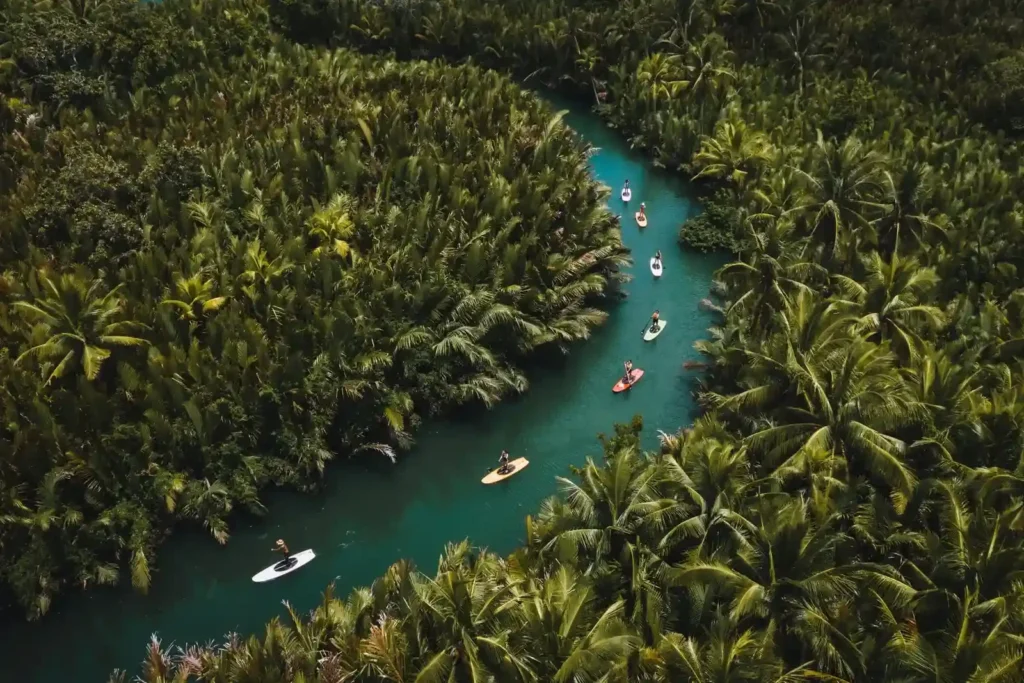
Stand-Up Paddleboarding (SUP) has found a natural home here. Local operators offer SUP boards and guided tours ranging from 3–4 kilometers down the gentle river. The water is generally 1–2 meters deep, warm year-round, and traffic is minimal. Rentals cost approximately ₱500–800 for a 2–3 hour session. Even absolute beginners thrive here—the river is stable, scenic, and forgiving.
Kayaking follows the same principle, with rentals and group tours available through local outfitters. You can also hire a guide to paddle to quieter sections away from cruise routes.
Swimming is possible in designated areas, especially near the town center and certain hotel properties. Always ask locals about currents and water conditions before entering.
Fishing is part of the river’s cultural fabric. Catch-and-release fishing tours are available through some operators, giving visitors a taste of traditional methods.
And if you venture slightly off the main river, the Sipatan Hanging Bridge awaits—a distinctive bamboo-pole bridge over the Sipatan River that’s exotic and slightly nerve-wracking. It’s become a popular photo spot and a local landmark. Access typically requires a guide from the main town or a tour operator.
The Church of Loboc and Heritage
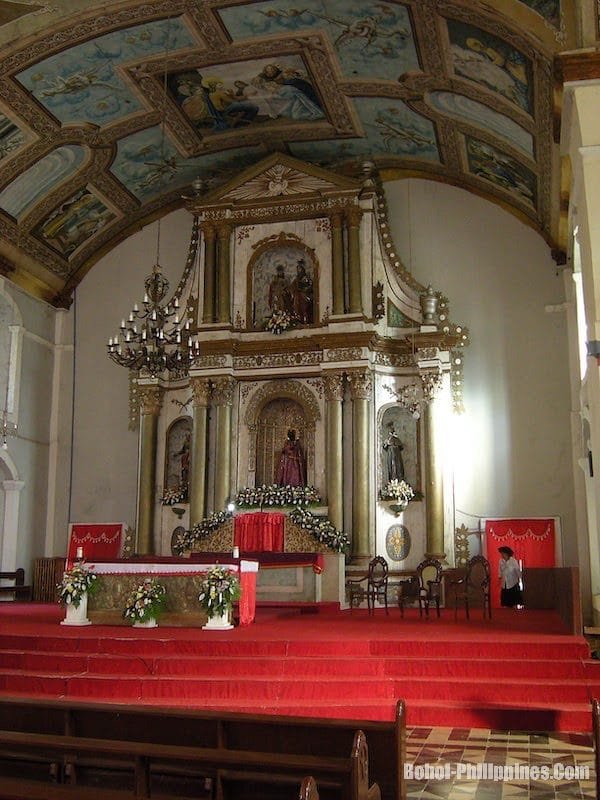
Standing in the heart of town is the Church of Loboc, officially known as the Church of St. Peter the Apostle. Dating to the 17th century, it’s one of Bohol’s oldest churches and a living center of faith and community. The structure blends Spanish colonial architecture with local craftsmanship—thick stone walls, wooden beams, and a peaceful interior that invites quiet reflection.
The church is more than architecture; it’s the anchor of Loboc’s spiritual identity. This is where the Loboc Children’s Choir rehearses and performs, where Christmas celebrations include both religious observance and musical tradition, and where the Loboc Band—that musical legacy stretching back to 1871—remains a source of immense civic pride.
If you’re visiting during December, time your trip to experience Christmas in Loboc. The blend of faith and musicality that defines the town culture reaches its crescendo during the holiday season.
The Casa Consuelo Heritage House (1850s) sits along the Loboc River, a testament to the town’s prosperous past. Inside, you’ll find antique furniture, intricate carved woodwork, and vintage photographs that tell stories of merchant families and river life. Tours can usually be arranged through the Loboc tourism office.
Also deeply rooted in local tradition is the craft of tuba (coconut wine) collecting—a traditional art of extracting sap from coconut trees that has been practiced in Loboc for centuries. Some tour operators include tuba-making demonstrations in extended tours, offering insight into this delicate craft and a taste of this local beverage.
Nearby Attractions
Loboc sits within striking distance of several of Bohol’s most famous natural wonders.
Bilar Man-Made Forest (approximately 10 km away, toward Tagbilaran) is a 2-kilometer stretch of mahogany trees planted decades ago to reforest hillside land. The road from Tagbilaran to the Bilar/Loboc area includes a stretch locals call the “tina-i sa manok” (chicken’s intestines)—a winding mountain road up the hillside before Bilar that tests your patience and your vehicle’s suspension. But the payoff is worth it. The forest is cool, cathedral-like, and slightly eerie—locals describe looking at them as “giving you the creeps.” Metro Manila filmmakers regularly use it for action sequences. Plan 2–3 hours here, including a short walk or a vehicle tour.
Rajah Sikatuna National Park is nearby, offering hiking trails through pristine forest and the chance to spot wildlife ranging from Philippine flying lemurs to multiple bird species. It’s more rugged than the Bilar forest but deeply rewarding for nature lovers.
Chocolate Hills are further inland but often combined with a Loboc trip for visitors spending 2+ days in central Bohol. The view of thousands of distinctive cone-shaped hills is otherworldly. From Loboc town, plan 45 minutes to the main viewing platform.
Philippine Tarsier Sanctuary is close enough for a day-trip combination. These tiny primates—among the world’s smallest—are found only in Bohol and are a major draw for wildlife photographers and curious kids.
See things to do in Bohol and best Bohol countryside tours for additional activity combinations across the island.
Getting to Loboc and Where to Stay
From Tagbilaran City: Loboc is approximately 50 kilometers northeast, a 1–1.5 hour drive depending on traffic and the “tina-i sa manok” road conditions. Public jeepneys depart from the Tagbilaran South Bus Terminal regularly (₱75–100 per person). Private hired transport (car rental or driver service) costs ₱1,500–2,500 for a one-way trip. See the Bohol transport guide for detailed transport options.
From Panglao Island/Alona Beach: Loboc is approximately 60–70 kilometers away, a 2-hour journey. Most visitors arrange private car service or join a guided tour. Direct public jeepneys are less frequent and require transfers.
Overnight vs. Day Trip: Many visitors combine Loboc with a day trip from Panglao (arriving for a midday cruise, staying for firefly watching, and returning late evening). Others prefer an overnight stay to experience the town more fully and escape the cruise-boat crowds.
“We stayed at the eco-lodge right on the river with our kids. They paddled on SUPs in the morning, ate fresh fruit for lunch, and fell asleep to the sound of water. Best family trip ever.”
— Rosa B., Cebu ⭐⭐⭐⭐
Where to Stay:
Eco-lodges and small resorts dot the riverfront, offering experiences that align with Loboc’s conservation spirit. Most are modest, family-owned properties with 10–30 rooms, featuring riverside views, local materials (bamboo, native wood), and strong environmental practices. Browse Loboc River hotels and eco-lodges for a curated selection of riverfront accommodation options. Rates typically range from ₱1,500–4,000 per room per night.
Budget guesthouses in town center run ₱800–1,500 per night and cater well to backpackers and families seeking affordability over luxury.
The tourism office can provide current accommodation lists and can help coordinate bookings if you’re arriving without reservations.
Practical Tips and Best Times
Best Season for Fireflies: November–May (dry season). If firefly watching is your priority, avoid June–October.
River Conditions: The river is navigable year-round. Dry season offers calm, clear water. Wet season brings higher water levels, more dramatic green surroundings, and occasional choppy sections in the afternoon when wind picks up.
What to Bring:
- Sunscreen and a hat (sun reflects strongly off water)
- Light layers (evenings can be cool on the river, dry season especially)
- Cash in Philippine pesos (most operators don’t accept cards)
- Waterproof phone case or bag (mist and splashing are real)
- Insect repellent (mosquitoes exist but aren’t overwhelming)
- Camera with decent zoom if you’re interested in birds and wildlife
Accessibility: The bamboo rafts have low step-up platforms, making entry/exit manageable for most mobility levels. However, there are no wheelchair ramps or specialized accommodations. Speak with operators in advance if you have mobility concerns.
Family-Friendliness: Loboc is exceptionally family-friendly. The gentle river, short tour durations, and inclusion of food make it ideal for children ages 4+. Infants and toddlers can go (in parent laps) but may find the 2–3 hour cruise tedious.
Safety: The river is genuinely safe. Crocodiles are present but extremely shy and rarely encountered. Operators enforce basic safety protocols (life jackets available, speed limits). The raft structure is stable even in heavy rocking. River-borne disease (from drinking untreated water) is not a concern if you drink bottled water.
Sustainability Notes: Choose operators known for environmental practices—those that teach passengers about water conservation, limit raft traffic during nesting season (for river birds), and source food from local suppliers. Several operators are part of eco-tourism certification programs.
Plan Your Loboc River Adventure
Loboc isn’t about checking off boxes. It’s about slowing down, watching fireflies blink into existence, tasting freshly grilled fish under open sky, and understanding how a small community has built its identity around water, music, and faith.
Whether you’re a day-tripper from Panglao catching the afternoon cruise, a nature lover seeking firefly magic, or a family wanting an eco-conscious river experience, Loboc delivers authenticity without pretense. The river has been here for millennia. The traditions have roots deep into the island’s Spanish colonial past and Filipino heritage. And the welcome you’ll receive from locals is genuine.
For a broader sense of how Loboc fits into your Bohol journey, see the Bohol travel guide. If you’re island-hopping, the Panglao Island guide and Tagbilaran City guide are natural starting points. And for birding enthusiasts, the Bohol birdwatching guide covers species you’re likely to encounter on the river.
The Loboc River is waiting. Come slowly. Come ready to be surprised.
Frequently Asked Questions — Loboc River, Bohol
What is the Loboc River cruise experience like?
A Loboc River cruise puts you on a wide, shallow bamboo raft outfitted with bench seating and a small onboard kitchen. You glide at a walking pace for two to three hours along 22 kilometres of gentle river, passing fishing villages, limestone cliffs, and dense riverside vegetation. A Filipino buffet lunch — grilled tilapia, rice, vegetables, fresh fruit — is served on the raft while you float. The experience is slow and peaceful, not a thrill ride. It’s one of the most relaxed ways to spend an afternoon in Bohol.
When can I see fireflies in Loboc?
Fireflies are most reliably active from November through May — the dry season. They emerge around dusk and peak between 6 and 8 p.m. when conditions are warm, stable, and humid. Tours run on small motorized outrigger boats, guides cut the engine lights so your eyes adjust, and the riverbanks come alive with thousands of blinking lights. During the wet season (June to October), cloud cover and afternoon rains make firefly activity unpredictable. If this is the experience you’re coming for, visit during the dry season.
How long is a Loboc River cruise?
Standard river cruises last two to three hours, including lunch. Firefly watching tours run one and a half to two hours in the evening. Some operators offer combined packages — a daytime cruise plus an evening firefly tour — that run approximately eight hours with breaks and dinner between sessions. Families and first-timers usually find the two-to-three-hour cruise format ideal: long enough to settle in and enjoy the river, not so long that children get restless.
Can I do stand-up paddleboarding on Loboc River?
Yes — the Loboc River is ideal for it. The water runs one to two metres deep with a gentle current and minimal boat traffic beyond the cruise routes. SUP rentals and guided tours cost around ₱500–800 for a two- to three-hour session. Even absolute beginners do well here; the river is calm and forgiving. Kayaking is also available through local outfitters. If you want to combine paddle sports with a river cruise and firefly watching, check the activity operators through our Bohol tours guide for current options.
How do I get to Loboc from Panglao or Tagbilaran?
From Tagbilaran City (about 50 km away): the drive takes one to one and a half hours. Public jeepneys depart from the South Bus Terminal for around ₱75–100. A private car or driver costs ₱1,500–2,500. From Panglao Island (60–70 km away): allow two hours by private car or organized tour. Direct public transport from Panglao requires transfers. Most day-trip visitors join a guided tour from their resort, which handles transport, cruise booking, and often firefly watching in a single package. See our Bohol transport guide for full logistics.
How much does a Loboc River cruise and firefly tour cost?
A shared river cruise costs roughly ₱500–700 per person and includes the buffet lunch. Private raft charters run higher — expect ₱3,000–6,000 for the full boat. Firefly watching tours cost around ₱300–500 per person. Combined packages (daytime cruise plus evening firefly tour) typically run ₱1,200–1,500 per person including meals. Budget for cash in Philippine pesos — most local operators don’t accept cards. Tour packages from Panglao that include Loboc start from ₱1,500 per person.
Are Loboc River cruises suitable for families with children?
Very much so. The bamboo rafts are stable, the pace is gentle, and lunch is served on board — all practical advantages with children. Kids aged four and up generally enjoy the experience: spotting birds, watching the riverbanks, and eating on the water. Toddlers can attend (in a parent’s lap) but may find the two-to-three-hour duration long. For firefly tours, older children (age seven and above) typically appreciate the experience more. Operators provide life jackets; ask about infant policy when booking.
What is the Church of Loboc?
The Church of Loboc, officially the Church of St. Peter the Apostle, dates to the 17th century. It’s one of Bohol’s oldest standing churches and an active center of faith in the community. The architecture blends Spanish colonial stonework with local craftsmanship — thick walls, carved wooden elements, and a calm interior. It’s also home to the acclaimed Loboc Children’s Choir, which has performed internationally. Open to visitors during non-service hours. A quick walk from the river docks, it adds cultural context to a Loboc day trip.
Can I stay overnight in Loboc?
Yes. Eco-lodges and small river resorts line the bank, offering rooms from ₱1,500 to ₱4,000 per night. Budget guesthouses in town center run ₱800–1,500. Staying overnight lets you experience Loboc beyond the daytime cruise crowd — quieter mornings on the river, sunsets, and the full firefly tour without rushing back to Panglao. For the full range of eco-lodge and resort options across Loboc and wider Bohol, see our Bohol hotels guide.
What should I bring for a Loboc firefly tour at night?
Light layers — river evenings during dry season can be cool. Insect repellent (mosquitoes are present but not overwhelming). A waterproof case for your phone. Cash in Philippine pesos. Avoid bright white clothing, which can disturb the fireflies and affect your viewing. If you’re prone to motion sickness, sit near the center of the boat and take precautions beforehand. Bring a camera with a fast lens and high ISO if photography is your priority — standard smartphone photos can capture the mood but not individual fireflies.
What birdwatching is possible on Loboc River?
The river corridor and surrounding forest support kingfishers, herons, Philippine eagles (occasionally), and several endemic Bohol species. Early morning boat trips before the cruise routes start are the best time for birdwatching. The vegetation along the riverbanks creates excellent perch and nesting habitat. Rajah Sikatuna National Park nearby adds forest species to the mix. For a full guide to species, timing, and the best spots across Bohol, see our Bohol birdwatching guide.
Have more questions about travelling to Bohol? Visit our complete Bohol FAQ for answers to the most common questions travellers ask.