Bohol Shopping Guide: What to Buy, Where to Find It, and Why It Matters
Picture this: you’re about to board the ferry back to Cebu, arms full of small paper bags, foil-wrapped sweets, and handwoven pouches that smell faintly of coconut and dried herbs. The vendors at Tagbilaran’s public market waved you off like a neighbor, not a tourist. That feeling — the combination of a good deal, genuine local craft, and something real to bring home — is exactly what Bohol shopping does differently from other Philippine destinations.
This guide covers what to buy in Bohol, where to actually find it (not just the tourist shops), and how the pasalubong culture shapes the way Boholanos think about gifts and travel. Whether you have 20 minutes at the market before your ferry or three days to explore local producers, there’s a Bohol souvenir with your name on it.
What Is Pasalubong — and Why Does It Drive Bohol’s Souvenir Culture?
Before diving into the actual products, it helps to understand pasalubong — the Filipino tradition of bringing gifts home after any trip, no matter how short. The word comes from the phrase pagsalubong, which means to meet someone or to welcome them.
In Bohol, pasalubong isn’t optional. Returning from a weekend in Tagbilaran without peanut kisses for the office would raise actual eyebrows. Locals don’t see it as shopping — it’s a social obligation wrapped in a paper bag. As a traveler, leaning into this culture gives you a completely different shopping experience: less curated-for-tourists, more genuinely local.
The best Bohol pasalubong all have one thing in common — they come from somewhere specific on the island, made by people who have been making them the same way for decades. For a deeper look at everything edible and traditional from this island, the Bohol delicacies and treats guide covers the full culinary heritage behind what you’ll find in markets.
“The market lady in Tagbilaran recognized we were leaving Bohol and handed us an extra bag of peanut kisses for the road. Didn’t ask us to pay more. That’s Bohol.”
— Couple from Quezon City ⭐⭐⭐⭐⭐
The Bohol Travel Guide gives you the full destination context if you’re still building your itinerary.
The Iconic Bohol Pasalubong Every Traveler Takes Home
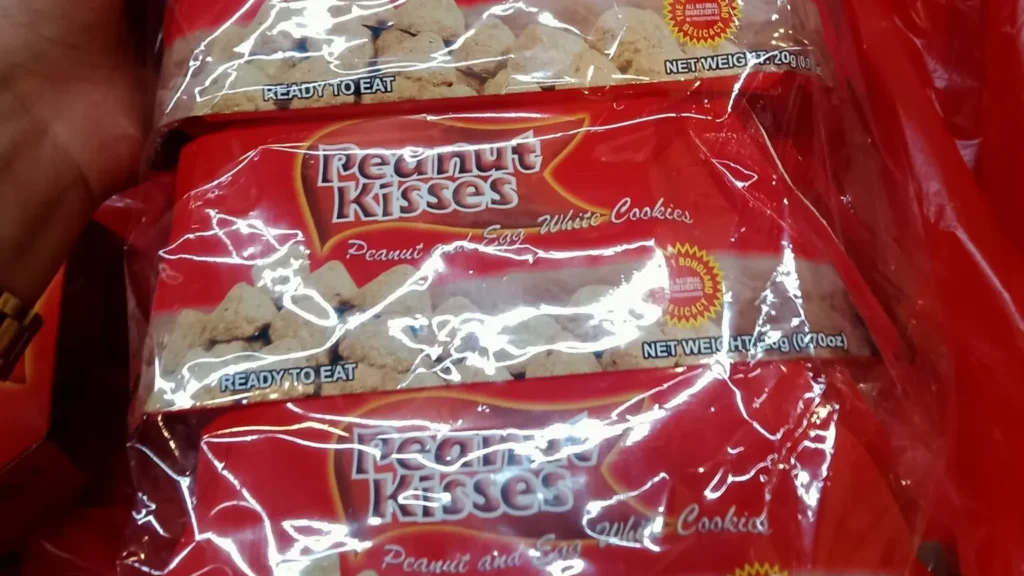
1. Bohol Peanut Kisses ⭐ TOP PICK
The most famous Bohol souvenir by a wide margin. These small, cone-shaped confections are made from ground roasted peanuts and sugar, formed by hand into a shape that resembles Hershey’s Kisses — which is where the name comes from.
They’ve been made in Bohol for over 50 years. The original producers are based in Tagbilaran and Carmen, and the best versions are still handmade using traditional copper pans. Each piece has a satisfying snap on the outside and a crumbly, nutty interior that tastes nothing like mass-produced candy.
You’ll find peanut kisses everywhere in Bohol — airport shops, ferry terminals, markets — but the best ones come from the source producers, not convenience store repackages.
✅ Shelf life of 3–4 weeks at room temperature
✅ Available in original and ube (purple yam) varieties
✅ Priced from ₱80 to ₱180 per pack depending on size
See the full Bohol peanut kisses guide for producer comparisons, pricing, and where to find the best versions.
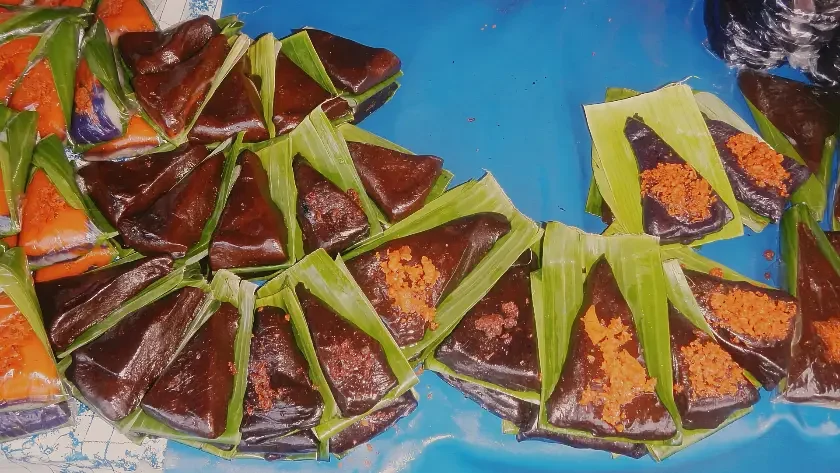
2. Jagna Kalamay ⭐ TOP PICK
Kalamay is a sticky rice confection made across the Philippines, but Bohol’s version — particularly the one from Jagna on the island’s southern coast — is considered the gold standard.
Jagna kalamay is darker, thicker, and more intensely flavored than the varieties you’ll find in Manila or Cebu. It’s made from glutinous rice, coconut milk, and muscovado sugar, cooked slowly until it reaches a dense, almost fudge-like consistency, then packed into coconut shell containers or banana leaf tubes. The muscovado gives it a deep molasses note that lighter versions don’t have.
Jagna is about 85 km east of Tagbilaran — a 1.5-hour drive — so it’s not always a convenient stop. The best strategy is buying from Jagna producers who sell at Tagbilaran’s Cogon Market, or asking your tour driver to pass through if you’re routing through the south coast toward Anda.
✅ The coconut shell packaging makes it a visual gift
✅ Pairs well with tablea-based hot chocolate
✅ Shelf life of 1–2 weeks; refrigerate for longer storage
The Bohol kalamay guide covers Jagna producers, what makes the Bohol version distinct, and how to buy it from outside the town.
3. Bohol Bee Farm Products ⭐ TOP PICK
The Bohol Bee Farm in Dao, Dauis — about 15 minutes from Panglao’s Alona Beach area — has become one of the island’s most recognizable food brands. Their products are made from ingredients grown on their organic farm overlooking the Bohol Sea.
What to buy here: raw honey in small jars, malunggay (moringa) cookies, tsokolate tablets made from Bohol cacao, calamansi soap, and their famous malunggay ice cream for immediate consumption. The packaged products travel well and make excellent gifts that feel genuinely Boholano — because they are.
Even if you don’t eat at the restaurant, the farm shop is worth 20 minutes of browsing. Prices are fair given the quality, and everything is labeled with sourcing information.
✅ Organic and traceable to specific farm plots
✅ Great for travelers who want food gifts that aren’t candy
✅ The calamansi soap and beeswax products travel without refrigeration
More on sustainable stays and farm experiences in our guide to eco-resorts and farm stays in Bohol.
Food Souvenirs Worth Packing
4. Tablea — Bohol’s Native Chocolate
Bohol grows cacao across several municipalities, and tablea — thick, unsweetened discs of roasted, ground cacao — is one of the oldest food traditions on the island. It dissolves in hot water or milk to make a rich, frothy drink called tsokolate that local families have served for breakfast since before coffee became common.
Good tablea smells intensely of dark chocolate with a slight fermented note that tells you it was processed from fresh cacao, not industrial cocoa powder. Look for Dalareich Choco Haus in Tagbilaran’s Booy district, the only dedicated chocolate house in Bohol, where both the tablea and the finished chocolates are made from locally grown beans.
The cacao culture behind tablea connects directly to the broader local food scene — our Bohol map guide shows where the key growing municipalities are located across the island. And if tablea leads you toward the dining side, where to eat in Bohol covers the restaurants and food spots that serve these same local ingredients.
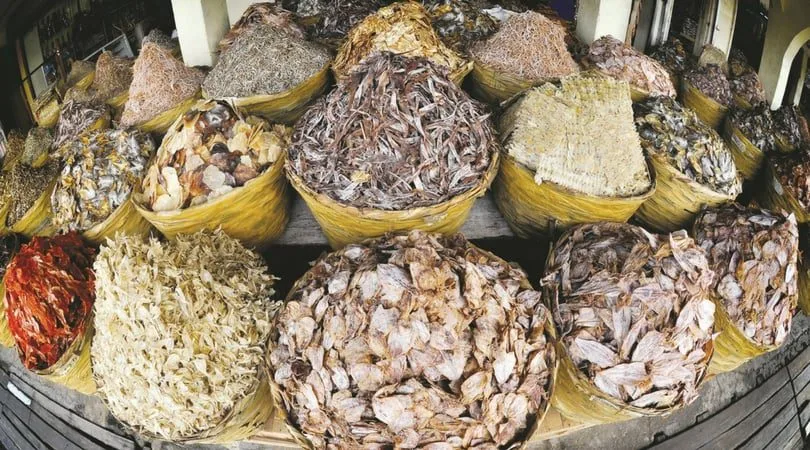
5. Dried Seafood and Native Snacks
Bohol sits in the Bohol Sea and backs onto the Mindanao Sea to the south, which means access to excellent fish year-round. Dried seafood — tinapa (smoked fish), dried squid (pusit), and dried shrimp (hipon) — is sold at every public market and most roadside stalls.
The best source is Tagbilaran’s Cogon Market or the smaller wet markets in coastal towns like Baclayon and Loon. Prices here are a fraction of what you’d pay at airport boutiques for lesser quality.
Pack dried seafood in sealed bags or buy vacuum-packed versions from market stalls that cater to travelers. For domestic Philippine flights, these travel without issue. For international travel, check destination country customs rules before packing.
6. Native Wine and Vinegar
Bohol produces several local fermented drinks, including tuba (fresh palm wine), bahalina (aged tuba wine), and sukang Bohol — a coconut vinegar used across the island in cooking. Bahalina, which turns deep reddish-brown as it ages, makes a distinctive gift for travelers interested in Philippine food culture.
You’ll find bahalina and tuba being sold from improvised stalls near coconut groves and at local markets — look for sellers with large clay jars. Bottled versions in cleaner packaging are available at Tagbilaran’s Dao public market.
Non-Food Bohol Souvenirs
7. Handwoven Baskets and Bags
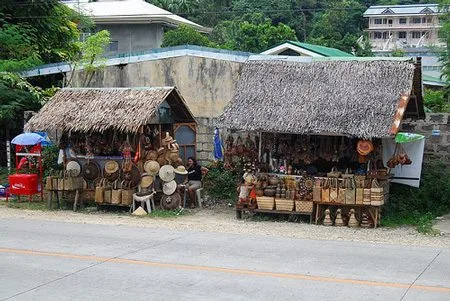
Bohol has a long tradition of abaca and rattan weaving, concentrated in inland municipalities like Sevilla, Bilar, and the Loboc area. Handwoven baskets, market bags, and decorative pieces made from local plant fibers are sold along the countryside tour route and at the Tagbilaran Night Market.
What distinguishes genuine handwoven Bohol pieces from machine-made imports is the slight variation in weave pattern — each piece differs subtly because a person, not a loom, made it. The sellers can usually tell you which municipality their materials come from.
The Bohol Countryside Tour with Mamag Travel is one of the best ways to reach these weaving communities with an informed guide.
8. Banig — Woven Sleeping Mats
Banig are traditional Filipino woven mats, and Bohol’s version uses local pandanus and sea grass to create patterns in earth tones with occasional geometric accents. Smaller decorative pieces and woven placemats based on banig techniques travel better than full-sized sleeping mats.
You’ll see these at the Tagbilaran public market and at craft stalls along the Panglao road. Prices start at ₱150 for placemats and climb to ₱2,000+ for large-format pieces.
9. Tarsier Memorabilia
Every souvenir shop in Bohol sells tarsier plush toys, magnets, keychains, and shirts. Most of it comes from generic Divisoria-style manufacturing with Bohol branding applied. The exception is merchandise sold directly at the Philippine Tarsier and Wildlife Sanctuary in Corella — purchases here directly support the sanctuary’s conservation work.
If you’re going to buy tarsier merch, buying it at the actual sanctuary is the meaningful version. The Tarsier Scientific Guide explains the species conservation status and why the sanctuary approach matters.
10. Shell Crafts and Coral Jewelry
Bohol’s coastal communities produce shell jewelry, decorative pieces, and small carved items from locally sourced materials. The most authentic versions come from Panglao town (not Alona Beach, where prices reflect tourist traffic) and from Dauis.
A caution here: avoid buying anything made from coral, sea turtle shell, or protected marine species. Philippine law prohibits collection of many reef materials, and airport customs does screen for these. Reputable sellers use farmed or legally collected shells and will tell you so.
Where to Shop in Bohol — Zone by Zone
Tagbilaran City: Your Best All-Around Market Base
Tagbilaran’s Cogon Market is the most practical shopping stop for food-based pasalubong. It runs daily and carries the full range: peanut kisses from multiple producers, dried seafood, native snacks, fresh fruits, and local condiments. Prices here are lower than any specialty shop in Panglao.
The Island City Mall and BQ Mall are the main commercial centers for packaged goods and branded souvenir shops if you need something quick and clean-packaged for easy gifting.
For the full picture on Tagbilaran’s markets, transport hubs, and surrounding attractions, the Tagbilaran City guide is the place to start.
Panglao Island: Higher Prices, Convenient Location
Alona Beach has several souvenir shops selling the full range of Bohol pasalubong, but prices run 30–50% higher than Tagbilaran markets due to the tourist concentration. The quality is similar for packaged items; the difference is entirely markup.
For Bohol Bee Farm products, go to the source in Dao, Dauis — it’s the same distance from most Alona Beach resorts as the beach strip shops, and you get the full selection at farm prices.
The Alona Beach guide covers resort options, dining, and how to navigate the strip.
Loboc and the Countryside Route: En Route Shopping
The countryside tour route between Tagbilaran, Loboc, and Carmen passes several handicraft stalls and market stops naturally. Most tours include a brief stop at a souvenir area near the Chocolate Hills or along the Loboc River strip. The selection here emphasizes woven goods, tarsier items, and packaged sweets.
“We bought our peanut kisses from a stall right next to the tarsier sanctuary. The lady there knew exactly how many packs we needed for a family of twelve.”
— Family from Cagayan de Oro ⭐⭐⭐⭐⭐
If you’re booking a countryside tour, ask your operator which stops include craft or food shopping — most include at least one. If you haven’t booked yet, how to book a Bohol countryside tour walks through operator options, pricing, and private vs shared decisions.
🔗 Book a Bohol Countryside Tour from Cebu with countryside shopping stops → GetYourGuide Countryside Tour
🔗 Private countryside tour with flexible stops → GetYourGuide Private Tour
Jagna: For the Serious Kalamay Hunter
Jagna is the only place on the island where you’ll find original Jagna kalamay made by families who have been producing it for generations. The town market on the southern coast is the best spot, particularly Saturday and Sunday mornings.
Jagna is also where Ching’ Calamay operates — the most well-known traditional producer, whose products you can sometimes find in Tagbilaran, but whose full range is only available at the source.
If you’re routing through the south coast, the Anda Bohol resort options make a good overnight base for anyone doing the Jagna–Anda–east coast loop.
Practical Shopping Tips for Bohol
Budget and timing:
- Markets are most stocked early morning (6–9 AM) — later in the day, popular items sell out
- Best shopping prices are at Cogon Market and Dao Market in Tagbilaran, not at tour stops or resort shops
- Budget ₱500–₱2,000 for a full pasalubong haul depending on group size
- Getting between markets is simplest with a motorcycle-taxi or rented scooter — our guide to getting around Bohol covers every transport option from tricycles to van rentals
Packing:
- Bring an extra foldable bag — you will need it
- Food gifts travel best in sealed plastic bags inside your check-in luggage
- For international travel, check customs rules on honey, fermented products, and dried fish
Bargaining:
- At public markets, gentle bargaining for quantity is normal (“Pwede dagdag? If I buy five packs?”)
- At branded shops and the Bee Farm, prices are fixed
- Never bargain aggressively — it’s considered rude in Bohol market culture
Ferry terminal timing:
- Tagbilaran’s Fastcat and SuperCat terminal area has small shops selling peanut kisses and kalamay; prices are higher but useful for last-minute buys
- Allow 20 minutes before check-in to browse without rushing
- Full ferry schedules and tips in the Cebu–Bohol ferry guide
For a complete overview of Bohol logistics — money, timing, apps, and transport — the Bohol travel essentials hub covers everything that doesn’t fit neatly into a single category.
How to Add Shopping to Your Bohol Itinerary
Bohol shopping works best when it’s woven into activities you’re already doing, not treated as a separate errand:
- Countryside tour day: Pack the Cogon Market visit first thing in the morning, buy kalamay and peanut kisses, then continue to Loboc River and the Chocolate Hills
- Panglao beach day: Route through Dao and the Bee Farm on the way back to your resort — 20 minutes off the main road
- Day before departure: Tagbilaran’s Cogon Market for final pasalubong; the BQ Mall if you need packaged goods that ship cleanly
If your itinerary is tight, the most efficient single stop is Cogon Market — it covers 80% of what Bohol has to offer in pasalubong form and takes about 45 minutes to browse properly. Our complete Bohol activities guide shows exactly how to slot the market visit alongside everything else worth doing on the island.
“We skipped the airport shops entirely. Cogon Market on our last morning, filled the extra bag we brought from Manila, and paid half what we would have at the terminal.”
— Solo traveler from Metro Manila ⭐⭐⭐⭐⭐
🔗 Plan your Bohol trip with the full activities guide → 77 Things to Do in Bohol
🔗 Get around Bohol and hit every market stop → Bohol Transportation Guide
FAQ — Bohol Shopping and Pasalubong
What is the most popular Bohol pasalubong?
Bohol peanut kisses are the single most recognized pasalubong from the island — almost every traveler leaves with at least one pack. Kalamay from Jagna is a close second and preferred by travelers who want something more traditional and less common.
Where is the cheapest place to buy pasalubong in Bohol?
Cogon Market in Tagbilaran City offers the lowest prices for food-based pasalubong. It’s open daily and sells directly from local producers without the markup applied at resort shops or airport boutiques.
Can I bring Bohol pasalubong on international flights?
Packaged sweets like peanut kisses and tablea generally clear customs without issues. Honey, fermented products, and dried seafood require checking your destination country’s import rules — some countries restrict these categories. When in doubt, opt for commercially sealed, labeled packages over homemade or unwrapped items.
Are there ethical shopping considerations in Bohol?
Yes. Avoid products made from coral, sea turtle materials, or protected wildlife species — possession of these is illegal under Philippine law and foreign customs may seize them. Merchandise at the official Tarsier Sanctuary directly supports conservation. The Bohol Bee Farm practices traceable organic agriculture and pays fair wages to farm workers.
Is bargaining normal at Bohol markets?
At public markets (Cogon, Dao, Loboc riverside stalls), asking for a small discount on bulk purchases is acceptable. Fixed-price shops and branded food producers don’t negotiate. The rule of thumb: if there’s no price tag, asking politely is fine. If it’s labeled, the price stands.
What’s the difference between Bohol kalamay and regular kalamay?
Jagna kalamay uses local muscovado sugar, which gives it a darker color and deeper molasses-like flavor than versions made with white sugar. The coconut milk comes from Bohol coconut farms, and the consistency is denser and less watery than mainland versions. It’s recognizably different even to travelers unfamiliar with the product.
Do countryside tours include shopping stops?
Most do — usually near the Chocolate Hills, at the tarsier sanctuary exit, or along the Loboc River. Some operators let you choose stops more freely on private tours. If shopping matters to you, confirm with your operator which stops include craft or food vendors before booking.
Where do I find Bohol Bee Farm products outside the farm?
A limited selection appears at some Tagbilaran hotels and at specialty shops in Alona Beach. The full range — and best prices — are only at the farm in Dao, Dauis. It’s worth the short detour.
Conclusion
Bohol shopping isn’t about buying things — it’s about taking a piece of the island home with you. The peanut kisses you hand out at the office came from a family recipe perfected over 50 years. The kalamay in the coconut shell was made by someone who learned the technique from their grandparent in Jagna. The honey from the Bee Farm sat in a hive 15 meters from the sea in Dauis.
That specificity is what separates Bohol pasalubong from generic airport souvenir shopping. Every item has a place it came from and a person who made it. This guide gives you enough to find those things — but the real discovery happens when you walk into Cogon Market at 7 AM and let the sellers show you what’s fresh today.
For deeper coverage on specific products, tour stops, and where each item fits into a Bohol itinerary, follow the links throughout this guide to our detailed articles on peanut kisses, kalamay, the Bohol Bee Farm, and the countryside tour route.
🔗 Explore detailed peanut kisses buying guide → Bohol Peanut Kisses
🔗 The full story on Jagna kalamay → Bohol Kalamay Guide
🔗 Book a countryside tour with authentic local stops → GetYourGuide Countryside Tour
Support our site by booking through our trusted affiliate partners. When you use the links in this article, we earn a small commission at no additional cost to you. This helps us keep our content free and our guides updated for travelers visiting Bohol and Cebu.