Loay Bohol Travel Guide
Secure your Cebu Bohol ferry tickets today to start your unforgettable journey!
Recommended Bohol Philippines Tours
[ Bohol Sight Seeing Day Trips - Check Out Availability ]
[ Full Day Cruise and Sailing Tours - Check out Availability ]
[ Full Day Adventure Tours - Check out Availability ]
Discover more of Bohol's natural wonders through our recommended tours. Click on the links below to embark on unforgettable adventures:
Ready to explore the beautiful islands of Cebu and Bohol? Secure your ferry tickets today through 12go and start your unforgettable journey!
Loay is a coastal town located at the mouth of the Loboc River, about 18.3 kilometers from Tagbilaran City. It lies along the southwestern coast of Bohol. This upcoming and flourishing town is now considered a 5th class municipality with a population of 15,881 people as per the 2007 census.
Going to the interior towns of Loboc, Bilar and so forth, one passes by Loay town. Likewise, one will also pass by Loay going to the towns of Lila, Dimiao, Valencia, Garcia-Hernandez, and Guindulman and onwards along the southwestern coast.
The town is politically subdivided into 24 barangays, to wit: Agape, Alegria Norte, Alegria Sur, Bonbon, Botoc Occidental, Botoc Oriental, Calvario, Concepcion, Hinawanan, Las Salinas Norte, Las Salinas Sur, Palo, Poblacion Ibabao, Poblacion Ubos, Sagnap, Tambangan, Tangcasan Norte, Tangcasan Sur, Tayong Occidental, Tayong Oriental, Tocdog Dacu, Tocdog Ilaya, Villalimpia and Yanangan.
The town covers an area of 3,479 hectares with farming, copra making, peddling, saguran weaving, fishing, tuba gathering and nipa thatch making as the people’s principal industries. The Poblacion is now a hive of activity where many of the town’s commercial establishments are gathered.
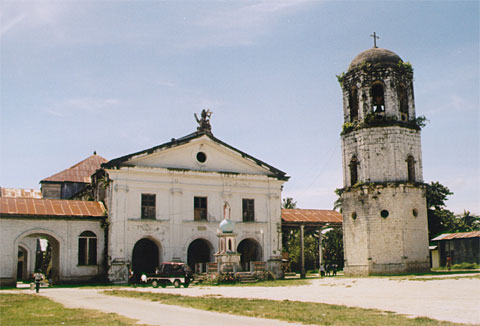
The town is divided into two parts: the lower called Canipaan because of its many nipa swamps, and the upper called Ibabao because of its elevated location. The Loay Church and its convent are located on a plateau overlooking the sea. Stone steps lead to the church which connects it to the rest of the town located below the hill. The church can be accessed by motor vehicles via the road to Loboc.
One prominent feature of the town is the Plaza. The plaza depicts a Spanish colonial plaza in its simplicity with only a wide open stretch of grassy space devoid of any landscaping and decorative elements. Flanking the plaza are two coral stone buildings: a one-story and a two-story building, both plainly designed and classical to look at.
The one-story building is being used by a public school while the two-story building, with the emblem of the Virgin Mary and directly opposite that of the one-story building, is in the process of renovation. The diocese of Tagbilaran is converting this building into an archdiocesan archive for church documents from the Spanish period coming from 38 parishes comprising the diocese.
The town celebrates its feast day in May (the date is movable) with the Santisima Trinidad or Blessed Trinity as Patron Saint. One big event is the Sambat Mascara Y Regatta Festival celebrated every 1st Saturday of December in honor of the town’s second Patron Saint, St. Francis Xavier.
Aside from the Loay Church and the Clarin Ancestral House, the town’s other tourist attractions are the Clarin Beach Resort, the Himontagon Hills, Punta Baluerte, and Rio Vista Heights including the Spanish watchtower at Villalimpia in the lower part of the town.
Check out for Bohol Hotel Deals
Back to Top: The town of Loay, Bohol Philippines
Back to Bohol
Ready to explore the beautiful islands of Cebu and Bohol? Secure your ferry tickets today through 12go and start your unforgettable journey!
recommended hotel booking
Book your stay in Bohol's breathtaking surroundings through Agoda and experience the ultimate relaxation
Top 25 Sights and Attractions in Bohol
- Chocolate Hills
- Tarsier Conservation Sanctuary
- Panglao Island
- Loboc River Cruise
- Hinagdanan Cave
- Balicasag Island
- Alona Beach
- Bilar Man-made Forest
- Blood Compact Shrine
- Baclayon Church
- Bohol Bee Farm
- Anda Beach
- Sipatan Twin Hanging Bridge Loboc
- Danao Adventure Park
- Sagbayan Peak
- Butterfly Conservation Center
- Clarin Ancestral House
- Dimiao Twin Falls
- Mag-Aso Falls
- Anda White Beach
- Lamanok Island
- Rajah Sikatuna Protected Landscape
- Dauis Church
- Can-umantad Falls
- Punta Cruz Watchtower
Top 20 Destinations of Bohol
- Tagbilaran City
- Panglao Town
- Talibon Town
- Anda Town
- Loboc Town
- Dauis Town
- Ubay Town
- Tubigon Town
- Loon Town
- Jagna Town
- Alicia Town
- Carmen Town
- Getafe
- Danao Town
- Bilar
- Alburquerque
- Sierra Bullones
- Sagbayan Town
- Baclayon Town
- Antequera
Ready to explore the beautiful islands of Cebu and Bohol? Secure your ferry tickets today through 12go and start your unforgettable journey!

All Rights Reserved ©2023. Bohol Philippines Travel Guide
Address: Talibon, Bohol, Philippines
Site Search
Bohol Tours
Discover more of Bohol's natural wonders through our recommended tours. Click on the links below to embark on unforgettable adventures:
BOHOL MUST SEE #1
BOHOL MUST SEE #2

BOHOL MUST SEE #3

BOHOL MUST SEE #4
BOHOL MUST SEE #5
BOHOL MUST SEE #6
Recent Articles


-
Best Bohol Tour Packages for 2023: Unforgettable Adventures Await
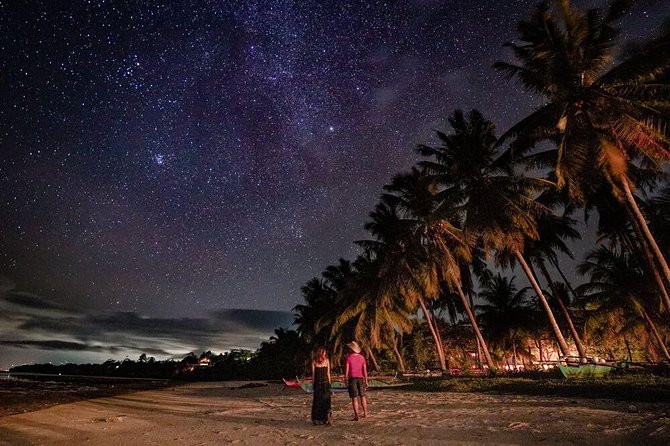 Welcome to our Best of Bohol Tour Packages list for 2023, where we bring you a curated selection of the finest tour packages to explore the island of Bohol.
 -
Bohol Escapade Packaged Tour (4 Days /3 Nights)
 Best Bohol Escapade Packaged Tour! For a 4D/3N stay in the resort of your choice, visit Bohols major countryside attractions and experience dolphins and whales plus island hopping!
 -
Discover The Tranquil Charm Of Loboc - Your Ultimate Travel Guide
 Loboc, with its breathtaking landscapes, rich cultural heritage, and warm hospitality, offers a memorable travel experience for visitors. exploring the river
 -
Loboc Children's Choir: Enchanting Voices Soar to Heavenly Heights
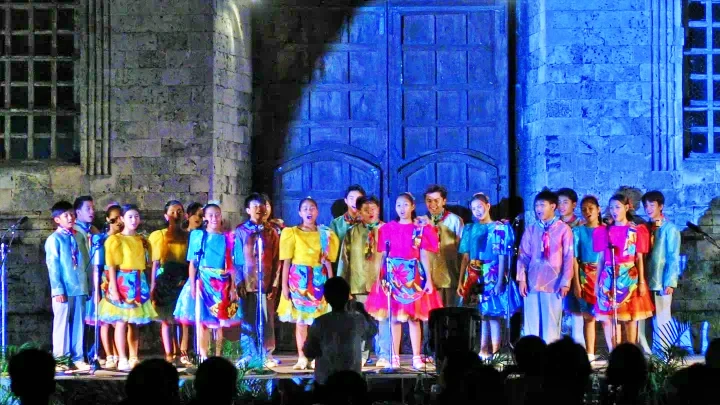 Immerse yourself in the angelic melodies of the Loboc Children's Choir. Experience their captivating performances and be swept away by their pure, well-trained voices.
 -
Explore Baclayon Bohol: Unveiling History, Culture, & Natural Beauty
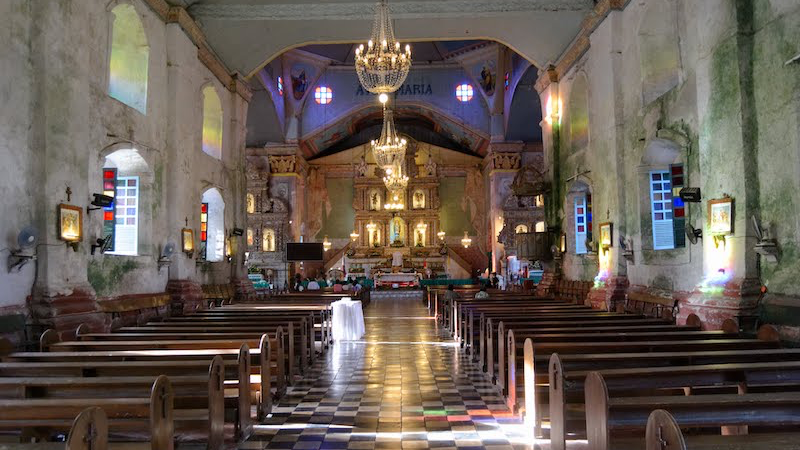 Discover the hidden treasures of Baclayon, Bohol, as you delve into its rich history, vibrant culture, and breathtaking natural landscapes. Explore the Baclayon Church, indulge in pastries, visit ance…
 -
Discover the Natural Wonders of Bilar: A Tranquil Interior Town
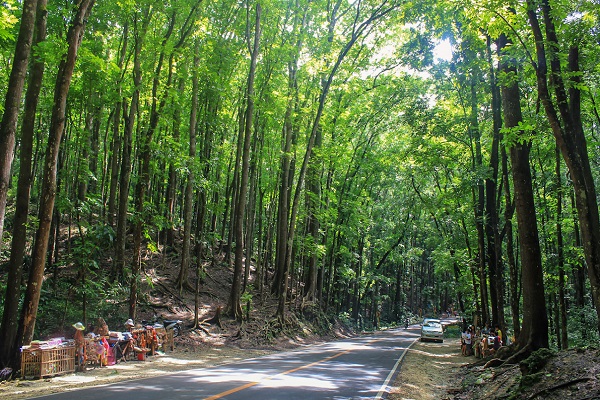 Experience the beauty of Bilar, a 5th class municipality in Bohol, known for its lush forests, scenic landscapes, and captivating birdwatching opportunities. Discover the top attractions and hidden ge…